RSSL addresses oregano adulteration
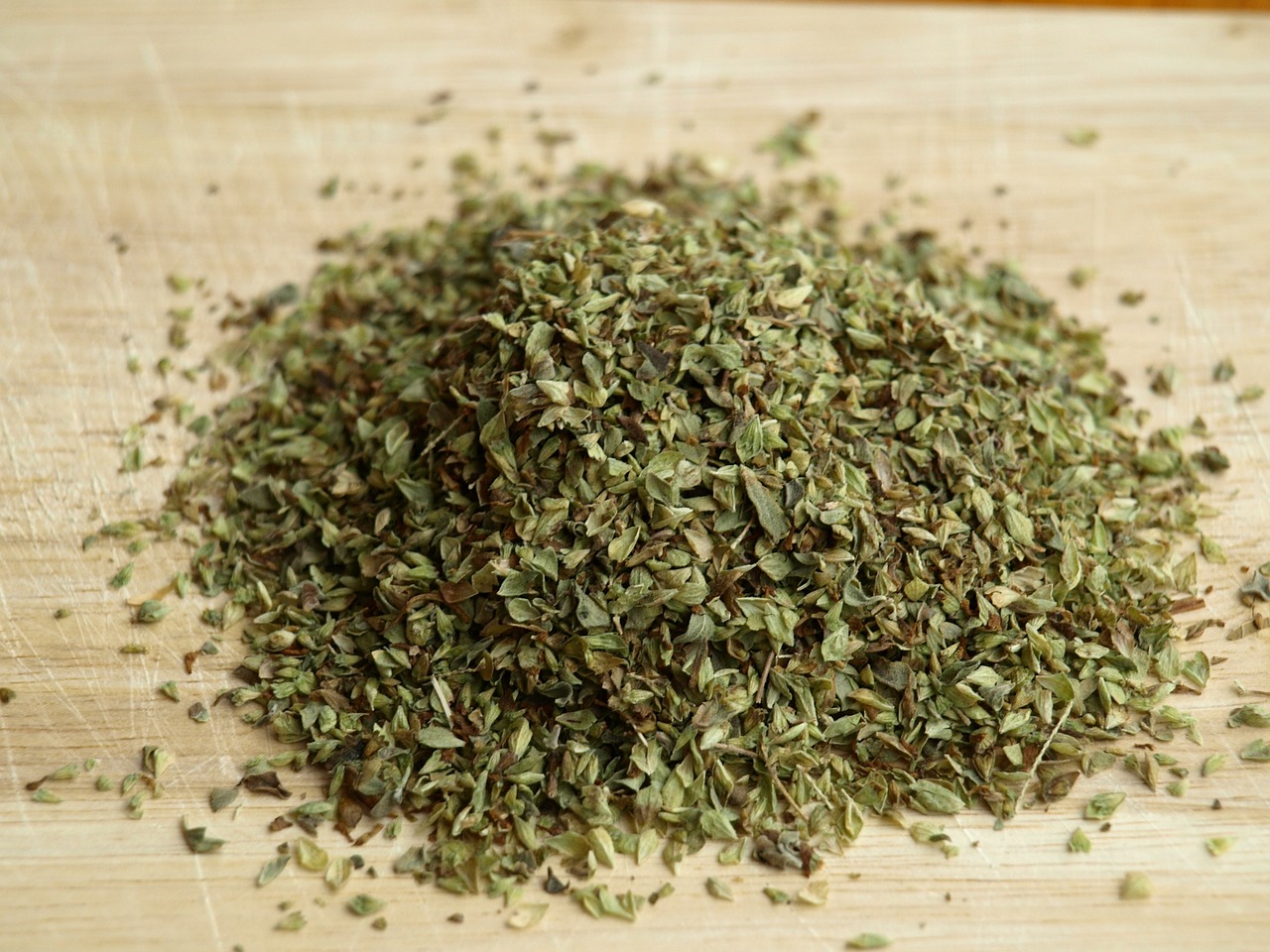
RSSL has launched a new service for verifying the authenticity of dried oregano, following reports in the press that highlighted instances of adulteration.
Two levels of testing are being offered. The first involves microscopy, which is suitable for detecting significant levels of adulteration. This level is easily sufficient to detect adulteration at the 30-70% levels that were reported in the press.
Lower levels of adulteration might also be detected by microscopy, but the turnaround time for this would be more than the five days offered for a routine assessment.
The second method available from RSSL is analysis by GC-MS. This method will compare the volatile chemical profile of a trusted sample of pure oregano with those of the test samples, allowing the chemists to detect any obvious differences between the two. Any such differences will be indicative of cross contamination or adulteration.
“As with any techniques for identifying authenticity, there are limitations and a positive result does not necessarily imply deliberate adulteration,” notes Karen Masters of RSSL. “However, the immediate concern is to eradicate the instances of gross contamination that the Which? report exposed, and our methods are capable of identifying contamination or adulteration at the levels reported.”