Three key trends set to reshape packaging in 2026: Markem-Imaje comments

As the packaging sector looks ahead to 2026, a fundamental shift in product identification is already underway.
The familiar one-dimensional barcode is giving way to dynamic 2D barcodes, a transition accelerated by the GS1 Sunrise 2027 initiative.
Driven by regulatory change, consumer demand for transparency, operational efficiency, and the need for brands to establish direct communication with shoppers, the move to QR codes and GS1 Digital Link is gathering pace.
Markem-Imaje, a global leader in product identification and traceability solutions, is at the forefront of this transformation across Europe and beyond. Rémy Fontanet, solutions business development manager at Markem-Imaje, highlights three trends driving rapid uptake of next-generation 2D barcodes.
1. Transparency becomes a baseline expectation
Fontanet points to Tesco’s recent UK pilot of GS1 Digital Link-powered QR codes as a clear signal of the industry’s direction. The initiative aims to improve date code accuracy, reduce food waste, prevent the sale of expired products, and better inform consumers.
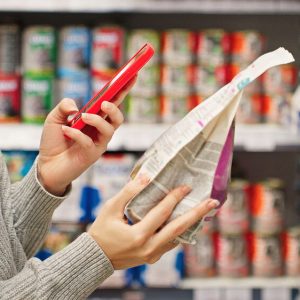
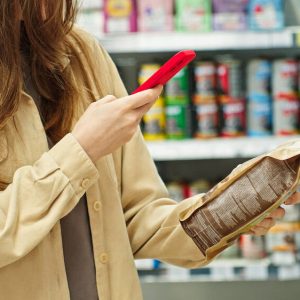
“Consumers increasingly expect instant, unique, verifiable information about the products they buy,” Fontanet explains. “They want to understand where an item comes from, how it was made, and what is in it. 2D barcodes can provide this depth of transparency in a single scan, helping retailers and brands build trust through content that extends far beyond what can be physically displayed on the pack.”
According to Syndigo’s State of Product Content 2024, half of consumers abandoned a purchase due to insufficient information, while 35% returned products that failed to meet expectations. GS1 Digital Link offers a direct way to meet this rising demand for clarity and trust.
2. Sustainability and waste reduction stay high on the agenda
The second major driver is sustainability. New EU rules, including the digital product passport (DPP), will require brands to share detailed on-pack information covering ingredients, sourcing, environmental performance, and recycling guidance. Static labels alone cannot meet this requirement, but 2D barcodes can.
“Consumers continue to prioritise sustainable behaviour,” Fontanet notes. “Mintel reports that 73% of UK shoppers try to act in a way that is not harmful to the environment. Having recycling information at your fingertips through a quick scan will facilitate waste handling. Smart 2D codes can also integrate best-before dates and recall information, block expired products at the point-of-sale, or automatically lower prices as items near expiry — helping reduce waste while boosting sales volumes.”
3. Health and wellness drive a new era of product data
The third trend shaping adoption is health and wellness. With rising concerns around ultra-processed foods and the mainstreaming of weight-management therapies, consumers are seeking more specific, real-time nutritional insights.
“Providing clear and complete information via a QR code allows consumers to make more informed choices and helps credible brands differentiate themselves,” says Fontanet. “The clean label movement reinforces this. Innova Market Insights data shows that 35% of European food and beverage launches carry a clean label claim, with strong demand for ingredient transparency. Nearly two-thirds of shoppers reconsider purchases based on the ingredient list, and more than half say honesty is their top priority.”
2D barcodes can deliver unique product or batch-level nutritional data, allergen updates, and direct access to recall information. For brands, this creates an opportunity to strengthen trust and loyalty by offering verified product data at the moment it matters most: the point of choice.
With transparency, sustainability, and health all converging, 2026 is set to mark a turning point in packaging. For manufacturers, retailers, and brands, the adoption of 2D barcodes is becoming a strategic imperative. As Fontanet concludes, “The industry is moving toward a future where every pack is a gateway to trusted, dynamic information. Those who embrace this shift will be best positioned to meet consumer expectations and regulatory demands alike.”