Health groups press Government on food mandates
Large food and drink manufacturers, grocery retailers, and out-of-home operators face renewed pressure over upcoming health regulations.
A powerful coalition of 64 leading health organisations and medical experts has issued a stark warning to the UK Government, stating that delaying or diluting proposed public health food measures would represent a catastrophic “false economy.”
In an open letter coordinated by the Obesity Health Alliance (OHA) and directed at the Chancellor, the coalition argued that watering down evidence-based policies would derail the central premise of the NHS 10-Year Health Plan—shifting the health service’s focus from sickness to prevention.
The health lobby is forcefully pushing back against any arguments that public health regulations exacerbate the ongoing cost-of-living crisis. Citing global shocks, supply chain disruptions, extreme weather, and macroeconomic instability as the true drivers of food price inflation, the coalition emphasised that public health rules are not responsible for rising supermarket bills.
The three immediate regulatory demands
The coalition has called on ministers to implement three immediate, binding policy steps that would reshape the operational landscape for large-scale food businesses:
- Mandatory health reporting consultation: publish a formal consultation on mandatory health reporting before the upcoming parliamentary summer recess, with a firm commitment to full sector-wide implementation next year.
- Healthy food standard legislation: formally introduce legislation for the Healthy Food Standard — legally mandating both data reporting and progressive health targets for large businesses — within the current Parliament.
- Updated nutrient profiling model (NPM): apply the updated, stricter nutrient profiling model to existing advertising and promotion restrictions without allowing this transition to delay progress on the wider Healthy Food Standard.
The business and economic impact
The open letter shines a spotlight on the stark divide between estimated industry compliance costs and long-term economic savings.
According to government analysis highlighted by the coalition, implementing the updated nutrient profiling model would deliver an estimated £36.9 billion in health and economic benefits over 25 years. This includes projected reductions of 110,000 cases of childhood obesity and 520,000 cases of adult obesity, alongside massive reductions in paediatric dental caries — currently the leading cause of hospitalisations for young children.
By contrast, the total implementation cost to the food and beverage industry over that same 25-year window is estimated to be under £3 billion. The Government maintains that much of this commercial compliance cost can be actively offset by businesses shifting their marketing capital and promotional spend toward healthier product portfolios.
The proposed mandatory Healthy Food Standard is projected to generate roughly £17 billion in annual cost savings to wider society, which includes slashing NHS operating costs by £2 billion a year. Proponents argue that making these health metrics mandatory across the board removes the “first-mover disadvantage,” successfully building a level playing field for major supermarkets and food companies.
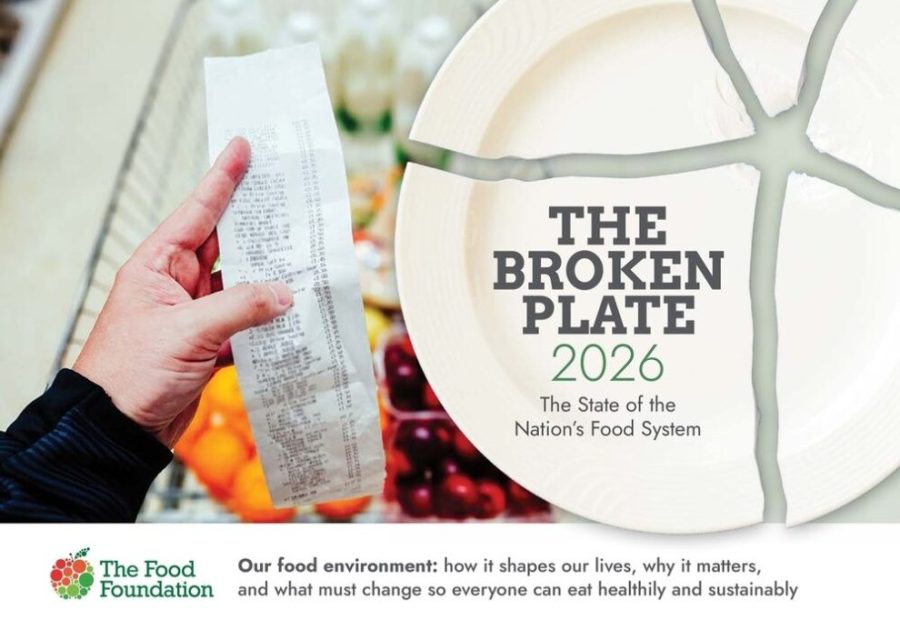
The push comes amid heightened scrutiny of the UK diet. Data from the Food Foundation’s latest Broken Plate report indicates that the price gap between healthier and less healthy food choices has widened to its furthest point in more than a decade, leaving the poorest families with children needing to allocate an unsustainable 85% of their disposable income just to afford a healthy diet.
What the experts say
The trade must prepare for a sustained legislative battle, as leadership across major health foundations and medical bodies remains unified. Below is the full commentary from the key experts leading the campaign:
Katharine Jenner, executive director of the Obesity Health Alliance: “The Government’s prevention moonshot risks failing before launch if the very policies needed to deliver it are watered down before they even begin.
Families are under huge financial pressure, but blaming health regulation for rising food prices is a distraction. There is no evidence these measures would push up prices – and no evidence that scrapping them would make food cheaper.
Weakening these measures now would be a false economy. It won’t make food cheaper, but it will drive up the long-term costs of preventable illness – from various cancers, heart disease and type 2 diabetes to dental decay – for families and for the NHS.
This is a test of whether prevention is a serious plan or just a slogan. Ministers must stand firm, resist pressure to weaken these measures, and deliver on their promise to protect children’s health.”
Lauren Bowes Byatt, director of healthy life at Nesta: “This government set out an ambitious plan to end the obesity epidemic, but there is now a risk that this becomes just another footnote of failure in public health. The Healthy Food Standard would help three million people live healthier lives and save our NHS a staggering £2 billion every year, without hitting business revenue or consumer pockets. This is one of the single most impactful policies on the table to tackle obesity, but ministers must listen to the medical professionals and healthcare experts and act now to introduce this legislation within this Parliament before the opportunity is lost to further delay.”
Anna Taylor, executive director of The Food Foundation: “Our Broken Plate report, published this week, shows that the price gap between healthier and less healthy food is the widest it’s been in over a decade and that the poorest families with children now need to spend 85% of their disposable income for a healthy diet. It is clear that the government’s priority needs to be on protecting people’s ability to afford healthy food. Stalling the policies on mandatory reporting of healthy sales and the updated nutrient profiling model isn’t going to address people’s ability to access and afford healthy food. It’ll only exacerbate health and dietary inequalities and put further pressure on the NHS.
So it’s vital that we don’t see food price rises as a reason to soft pedal on some of those important steps which we need to be making to shift the food system to actually support public health.”
Professor David Strain, chair of the British Medical Association (BMA) board of science: “Prevention must be at the heart of efforts to improve the nation’s health and reduce pressure on NHS services. Poor diet is a major driver of ill health, contributing to obesity and a range of serious conditions, including type 2 diabetes, cardiovascular disease and some cancers.
Obesity is now one of the greatest contributors to the gap in healthy life expectancy between our most and least deprived communities. Children and families in these areas are often most affected by unhealthy food environments, where healthier choices can be harder to access, afford and sustain. Creating a healthier food environment is therefore an important part of tackling health inequalities and improving long-term health outcomes. Modern obesity treatments have an important role and should be available to those who need them. However, no healthcare system can treat its way out of an epidemic driven by the environments in which people live, work and learn.
A healthier population is not only a health objective but an economic necessity. People who enjoy longer, healthier lives are better able to participate in education, employment and their communities. Delaying action now risks storing up greater health problems and costs in the future. The Government must remain focused on its commitment to prevention and take meaningful steps to support healthier lives for current and future generations.”