Shelf awareness
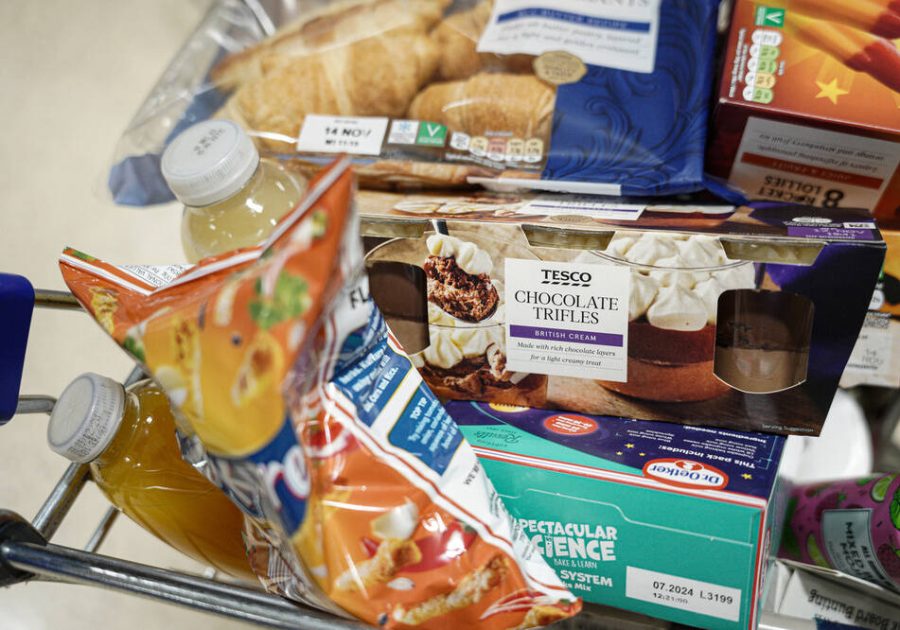
Every spring, the Office for National Statistics quietly drops one of the most revealing documents of the year: the updated basket of goods used to calculate inflation. It’s essentially a snapshot of what Britain is actually buying — and, by extension, what we’re eating, drinking and obsessing over.
Think of it as the nation’s shopping trolley, tipped out onto the kitchen table for everyone to inspect.
And this year’s basket tells a story that’s equal parts predictable, surprising and very, very British.
1. We’re still obsessed with convenience — but we want it to feel “better for us”
If an item enters the basket, it’s because enough of us are buying it regularly. And the continued rise of ready‑to‑eat, ready‑heat and ready‑drink products shows no sign of slowing.
But here’s the twist: the convenience items being added now tend to come with a halo. Think higher‑protein snacks, lower‑sugar drinks, plant‑based options, and “healthier‑ish” versions of old favourites.
What producers can learn: convenience isn’t the enemy of health anymore. If you can make it quick and make it feel virtuous, you’re onto something.
2. The UK loves a flavour holiday
Every year, the basket quietly absorbs more “global” flavours — whether that’s spicy snacks, Asian‑inspired sauces or tropical drinks. It’s the staycation we can afford.
This reflects a broader truth: British consumers are adventurous, but only when the risk is low. A pineapple‑kiwi cider? Sure. Fermented yak milk? Maybe not.
What producers can learn: innovation doesn’t need to be extreme. A familiar base with a twist — a new fruit, a new spice, a new mash‑up — is often enough to spark trial.
3. Alcohol behaviour is shifting — but not in one direction
The basket now reflects a nation that is simultaneously drinking less, drinking better, and drinking more selectively. Low‑ and no‑alcohol products continue to grow, but so do premium world beers, craft ciders and “treat” spirits.
What producers can learn: choice is king. Offer a ladder of options — low, no, mid, premium — and let consumers pick their moment.
4. The rise of the “little treat” economy
Inflation may be cooling, but the habit it created — small, affordable indulgences — is sticking around. Think premium chocolate bars, posh soft drinks, fancy crisps, and anything that feels like a reward without requiring a mortgage.
What producers can learn: if your product can deliver a moment of joy for under £3, you’re in the sweet spot.
5. Sustainability matters… but only when it’s easy
Reusable items, refillables and eco‑friendly packaging continue to appear in the basket, but the pattern is clear: consumers want sustainability as long as it doesn’t require effort.
If it’s greener and just as convenient, they’ll buy it. If it’s greener and fiddly, they’ll admire it from afar.
What producers can learn: make sustainability invisible. If the consumer doesn’t have to change behaviour, adoption skyrockets.
6. The ONS basket is basically a mirror — and Britain is looking pretty normal
We’re eating slightly better, drinking slightly smarter, treating ourselves slightly more often, and still chasing novelty in the safest possible way. In other words: classic British behaviour.
For producers, all you have to do is make your offering convenient, make it feel good, make it a little fun, and make it easy to justify.
Do that, and your product might just make it into next year’s basket — the ultimate sign that you’ve become part of Britain’s everyday life.
- Rodney Jack, editor, Food & Drink Technology. Keep in touch via email: [email protected] X: @foodanddrinktec or LinkedIn: Food & Drink Technology magazine.
Organisations