Could -15°C become the new standard?
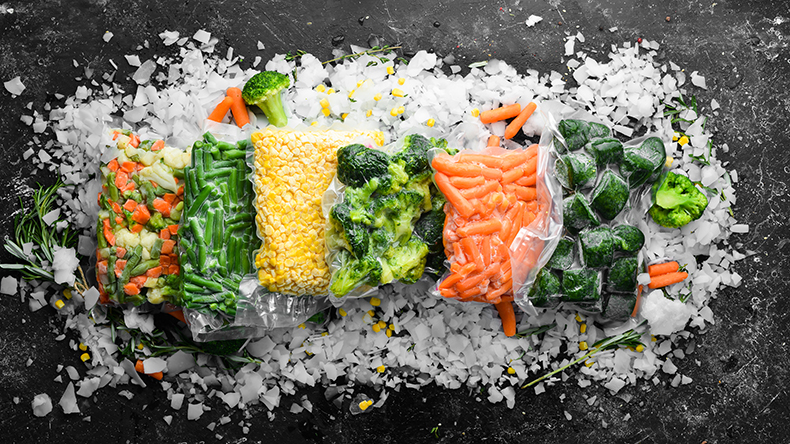
For years, -18°C has been the long-established standard for frozen food storage. Nomad Foods’ newly published research suggests it may not need to remain the only answer.
The study, published in npj Science of Food, a leading journal in the Nature portfolio, found that frozen foods can be safely stored at -15°C while maintaining product quality and reducing energy consumption by approximately 7%. Over 18 months, it evaluated nine frozen food categories and generated more than 20,000 quality measurements. For most products tested, safety, quality, nutritional value and shelf life stayed within accepted limits.
That evidence base is what gives the standards debate substance. Industry norms rarely shift on a single company’s assurances; they need independent scrutiny. Peer review provides it, adding independent scientific validation to industry efforts to reduce carbon emissions across temperature-controlled supply chains.
There is organised momentum too. In June 2024, Nomad Foods became the first food manufacturer to join The Move to -15°C coalition, a global initiative dedicated to cutting carbon emissions in the frozen food supply chain. Neil Fletcher, General Counsel at Nomad Foods and Board Member of the coalition, said: “We believe this research will help inform industry discussions and support more sustainable practices across temperature-controlled supply chains.”
Of course, a standard is more than a single study. The findings apply to most, not all, of the products tested, and any change of this scale would need buy-in from manufacturers and cold chain partners alike. Those questions are still open.
But the conversation is shifting. It is moving from whether -15°C is defensible to how it might be adopted, and with peer-reviewed evidence now on the table, a new standard looks less like a thought experiment and more like a serious prospect for the frozen food industry.
- Rodney Jack, editor, Food & Drink Technology. Keep in touch via email: [email protected] X: @foodanddrinktec or LinkedIn: Food & Drink Technology magazine.