Going organic: England’s plan puts growth to the test
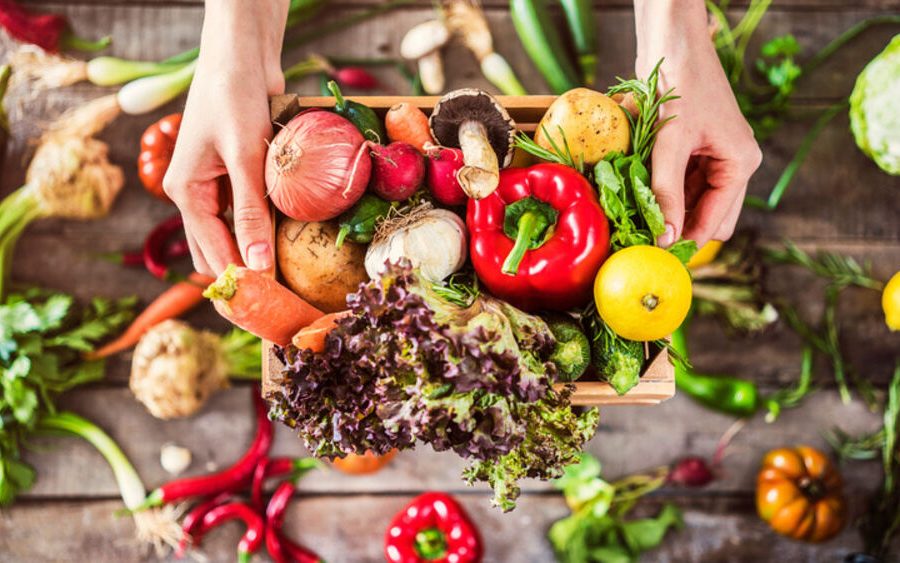
England’s organic sector has a new roadmap for growth, but the challenge now is to make sure the ambitions take root on farms and throughout the food supply chain.
Published by the Department for Environment, Food & Rural Affairs (Defra), the Organic Action Plan for England (OAPE) sets out how government and industry will work together from 2026 to 2036 and beyond. Its ambition is to increase the proportion of agricultural land farmed organically from around 3.4% towards 10% by 2036, supporting a market in which UK organic retail sales reached £3.9 billion in 2025.
The plan focuses on three priorities: increasing and better managing organic supply, expanding domestic production, and growing demand through consumer awareness and public-sector procurement.
For food and drink manufacturers, the implications extend beyond farming. More reliable domestic supply could create opportunities for processors, ingredient suppliers and buyers seeking certified organic raw materials. Better data on production, trade and purchasing should also help businesses identify where English supply can meet market demand.
From ambition to implementation
The plan recognises organic farming’s potential to improve soil health, support biodiversity, reduce exposure to chemicals and help farms adapt to climate change. It also seeks to make conversion more accessible through better information, advice, peer support and clearer routes to market.
However, the availability and accessibility of support will be critical to its success.
OF&G (Organic Farmers & Growers), which helped co-develop the plan through its role in the English Organic Forum, has welcomed its publication.
Steve Clarkson, chief executive of OF&G, describes it as “a considerable milestone for the organic sector”. He says the organisation looks forward to overseeing delivery across the plan’s three themes.
Clarkson also highlights the alignment between the strategy and wider government commitments on food, farming and the environment. The plan acknowledges evidence linking organic systems with environmental benefits, including improved soil health and climate adaptation.
Making growth stick
The next test is whether coordinated action can translate those ambitions into practical opportunities for farmers and businesses. The plan is intended to sit alongside existing environmental land management schemes, with Defra committing to maintain and clearly explain the organic offer within these schemes.
For Clarkson, the joined-up approach offers the sector an opportunity to maintain growth and strengthen its role in English food production.
The direction is set. Whether the plan delivers will depend on effective implementation, accessible support and stronger connections between producers, processors and buyers. For manufacturers, the prize is a more developed domestic organic supply chain; for policymakers, success will be measured in what changes on the ground.
- Rodney Jack, editor, Food & Drink Technology. Keep in touch via email: [email protected] X: @foodanddrinktec or LinkedIn: Food & Drink Technology magazine.