PACE ‘won’t single-handedly solve the problem of ‘on the go’ snacking’, says legal head
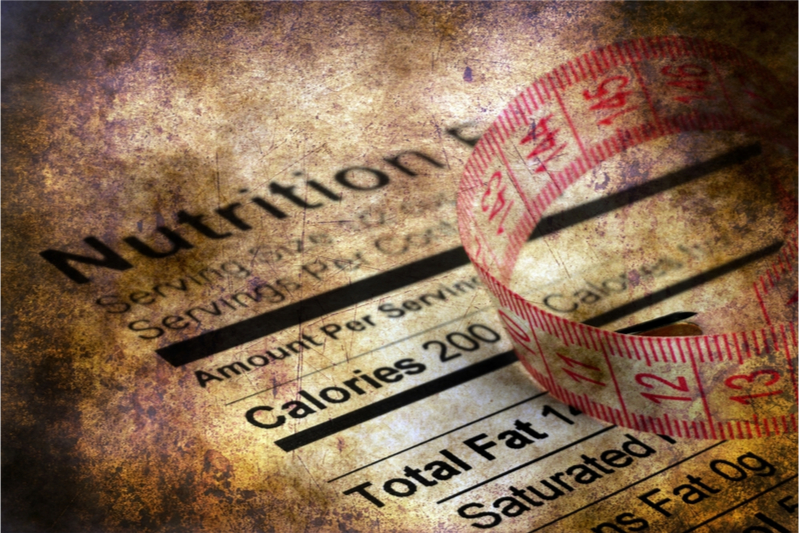
Dominic Watkins, global head of food group at law firm DWF, has questioned the wisdom of displaying how much exercise a person would need to take to burn off the calories contained in a food product.
While he acknowledges that including calorie counts on food packaging will make people stop and think about their food choices, he says it is important for consumers to understand they have to look critically at their own cases.
Watkins said: “Context is key. Consumers need the tools to be able to consider diet rather than particular foods in isolation. On its own, 1000 calories sounds like a huge amount, and would require three hours to walk off. However, in the context of a whole day’s food intake – a 300 calorie breakfast, 400 calorie sandwich lunch and a 300 calorie snack – it may be perfectly OK, adding up to the recommended daily total of 2000 calories.”
Any proposal that directly or indirectly encourages the public to exercise should be welcomed. But translating energy into exercise doesn’t necessarily work because individual metabolisms have a significant impact on energy usage.
Watkins added: “Where this proposal potentially has value is in allowing the public to assess calorie intake in a more tangible way, but it won’t single-handedly solve the problem of ‘on the go’ snacking. If people don’t take account of calories, traffic light symbols or other advisory labels, it is unlikely that this will be the measure to cut through.
“While there may be scope to do this for non-prepacked foods pre-Brexit, the reality is that the labelling law for pre-packed foods restricts the types of information that can be repeated on the front of packs and much like the previous proposal for sugar cubes, this is unlikely to be permitted.”