Fapas marks 30-year anniversary with launch of new testing programme
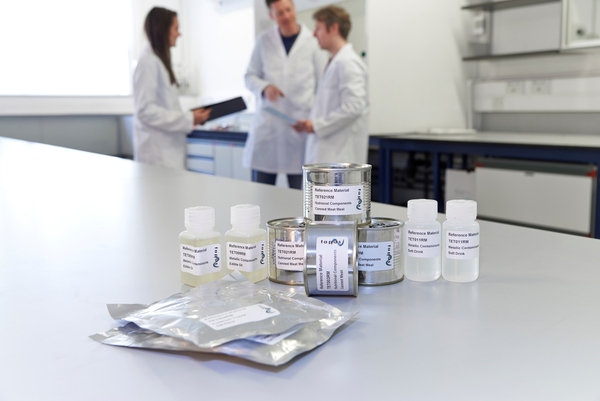
Fapas, the proficiency testing arm of Fera, is celebrating its 30th anniversary in 2020 – and has introduced a new range of proficiency tests to coincide with this landmark year.
The tests, which are now available to order, have been developed to meet the specific requirements from testing laboratories, and reflect changes in food and beverage processing and consumer demand. They form part of the Fapas 2020-2021 testing programme, and will support the international food and beverage sector in its efforts to increase safety.
Fapas proficiency tests provide laboratories with an independent assessment of their analysis of specific ingredients, foodstuffs and beverages. It also supports laboratories in assessing their analysis of agricultural contaminants and common indicator organisms for drinking water and Legionella spp. in environmental waters.
One of the key developments is increased support for laboratories that perform analysis of infant food and beverage products. Fapas has launched a proficiency test for compositional analysis of infant formula, the determinands being moisture, ash, total fat, nitrogen, titratable acidity, lactose, sodium and chloridet
A new proficiency test for dithiocarbamates in pear expands the organisation’s existing pesticide residues schedule. Dithiocarbamates are frequently used on pear crops resulting in residues that may potentially reach the consumer.
Fapas has also strengthened its offering to the meat industry to help laboratories detect the presence of growth hormones in beef products. It has introduced a new test for testosterone and oestradiol in bovine blood serum and nandrolone and ethinylestradiol in bovine urine to ensure that laboratories testing for the presence of these hormones can accurately measure the levels.
Fapas has also introduced new proficiency tests for aflatoxins in sesame paste (tahini) and peanut butter in response to increased consumer demand for these products, as well as proficiency tests for allergens (sesame and gluten) in cumin.
Fapas is supporting fruit juice processers by adding proficiency tests for mould, aerobic plate count (APC) and lactic acid bacteria in fruit juice, to its range, and helping the seafood industry in its efforts to increase safety for consumers, by introducing a proficiency test for cadmium, lead and mercury in bivalve molluscs. Heavy metals may bio-accumulate in bivalve molluscs and exceed the maximum levels permitted by legislation.
Additional new proficiency tests include tests for heavy metals in soya lecithin, mixed dry herbs and oat flour.