Dutch produce sector cuts waste with deep-dive data
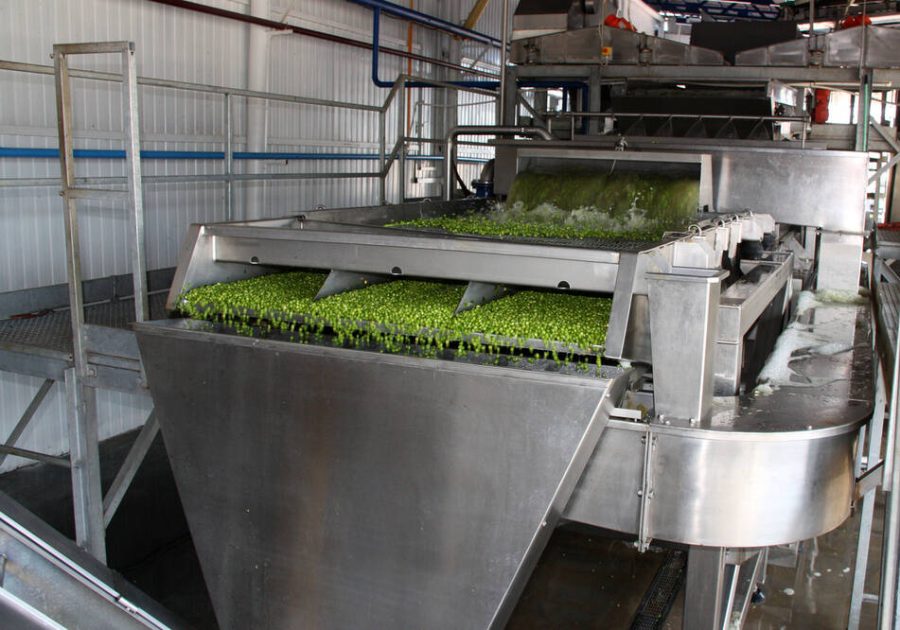
The Netherlands’ national fruit and vegetable waste monitor has gained significant new depth and accuracy following the first‑ever inclusion of snijderijen (fresh‑cut and processing companies) in its annual measurement.
The expanded dataset provides the most detailed picture yet of where losses occur in the fruit and vegetable supply chain — and offers new opportunities for targeted waste reduction across Europe’s fresh produce sector.
The latest results, published by Samen Tegen Voedselverspilling (Together Against Food Waste) and GroentenFruit Huis, show that 97.1% of all traded fruit and vegetables in 2024 reached their intended destination as food or animal feed, with 2.9% recorded as food waste at sector level. This weighted national average is based on monitoring carried out by Wageningen University & Research, commissioned by the two organisations and funded by the Dutch Ministry of Agriculture (LVVN).
A total of 15 entities across 14 companies participated, representing more than 1.2 million tonnes of incoming product — a scale that gives the findings strong statistical relevance for the wider European market.
For the first time, fresh‑cut processors — a major link between growers, wholesalers and retail — were included in the national monitoring framework. Their participation has “delivered new and more relevant insights for the entire chain,” according to the programme organisers.
Fresh‑cut operations typically handle high volumes of perishable produce with short shelf lives, making them a critical point for potential waste. Their inclusion helps the sector understand:
- where trimming and processing losses occur,
- how much of this material is recoverable,
- and which interventions (technology, forecasting, product design) can reduce waste at scale.
The expanded dataset allows the Dutch fruit and vegetable sector to benchmark performance more precisely and identify hotspots for improvement. Previous editions of the monitor focused primarily on wholesalers and traders; adding processors now gives a fuller view of the chain from field to finished product.
The findings also show progress over time. Earlier monitoring rounds reported higher waste levels — 4.1% in 2023, for example — indicating that sector‑wide collaboration and data transparency are beginning to pay off.
For UK retailers, manufacturers and produce suppliers, the Dutch model offers a blueprint for:
- evidence‑based waste reduction,
- better forecasting and procurement,
- improved supplier collaboration, and
- more accurate sustainability reporting.
The inclusion of fresh‑cut processors is particularly relevant for UK prepared produce, ready‑meal and foodservice suppliers, where trimming losses and short shelf life remain major challenges.
As pressure grows across Europe to reduce food waste — both for environmental reasons and to meet regulatory expectations — the Dutch approach demonstrates how cross‑sector monitoring can drive practical, measurable change.