Soluble coffee officially enters EUDR scope
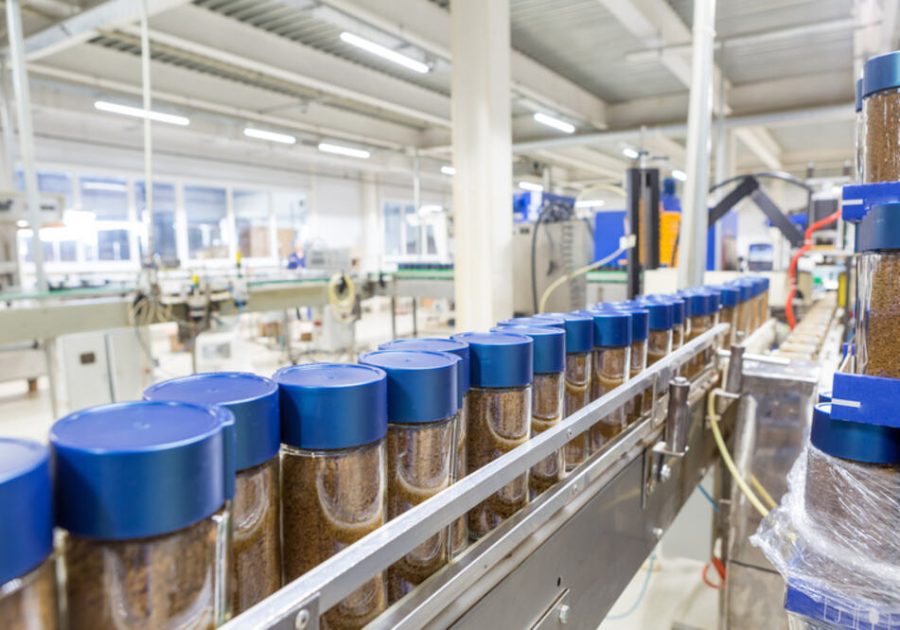
The European Commission has released a draft delegated act that officially brings soluble coffee (instant coffee) and coffee extracts under the scope of the European Union Deforestation Regulation (EUDR).
This expansion is designed to eliminate a significant regulatory blind spot in the original legislation, ensuring that all coffee products — regardless of their processing stage — meet the same rigorous environmental standards before entering the EU market.
For global coffee manufacturers and the European Coffee Federation (ECF), this move marks a critical shift in compliance strategy, requiring immediate adjustments to traceability systems for processed goods that were previously exempt.
When the EUDR was first adopted, it primarily targeted raw commodities like green coffee beans. However, industry experts and policymakers identified a loophole: if soluble coffee remained out of scope, manufacturers could theoretically process “non-compliant” beans outside the EU and then import the finished instant coffee without the same level of due diligence.
The new proposal seeks to create a level playing field. By including Combined Nomenclature (CN) codes for soluble coffee and extracts, the Commission ensures that processed coffee products are held to the same deforestation-free requirements as raw beans, preventing a shift in production toward less-regulated regions.
The inclusion of soluble coffee introduces specific technical and logistical challenges for the mid-stream and downstream supply chain:
- Upstream traceability for processed goods: manufacturers must now provide geolocation coordinates for the specific plots of land where the beans used in the soluble extract were grown.
- Complex blending challenges: soluble coffee production often involves “mass balance” blending of beans from various origins to achieve flavour consistency. Under EUDR, each component of that blend must be verified as deforestation-free, complicating the logistics for large-scale instant coffee plants.
- Data integrity: because soluble coffee is a highly processed derivative, the chain of custody is longer. Manufacturers will need to implement robust digital passports that track the product from the farm to the extraction facility and, finally, to the EU border.
Industry reaction: a call for clarity
The European Coffee Federation (ECF) has long advocated for clear guidelines to avoid market distortion. While the inclusion of soluble coffee brings “regulatory consistency,” the industry remains concerned about the timeline for implementation.
Manufacturers are urging the Commission to provide a “transition buffer” to allow for the integration of these new products into existing due diligence systems. There is also a push for standardised data formats to ensure that smallholder farmers in regions like Vietnam and Brazil — major producers of Robusta used in soluble coffee — are not inadvertently excluded from the European market due to the high cost of digital mapping.
The broader environmental impact
Beyond trade logistics, the proposal strengthens the EU’s position as a global leader in environmental accountability. By closing the soluble coffee loophole, the EU argues this move ensures that its massive instant coffee consumption — a staple in European households and vending sectors — does not contribute to forest loss in biodiversity-rich regions.