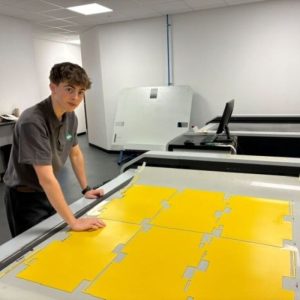
Feeding Britain’s Future relaunch targets stronger youth pathways
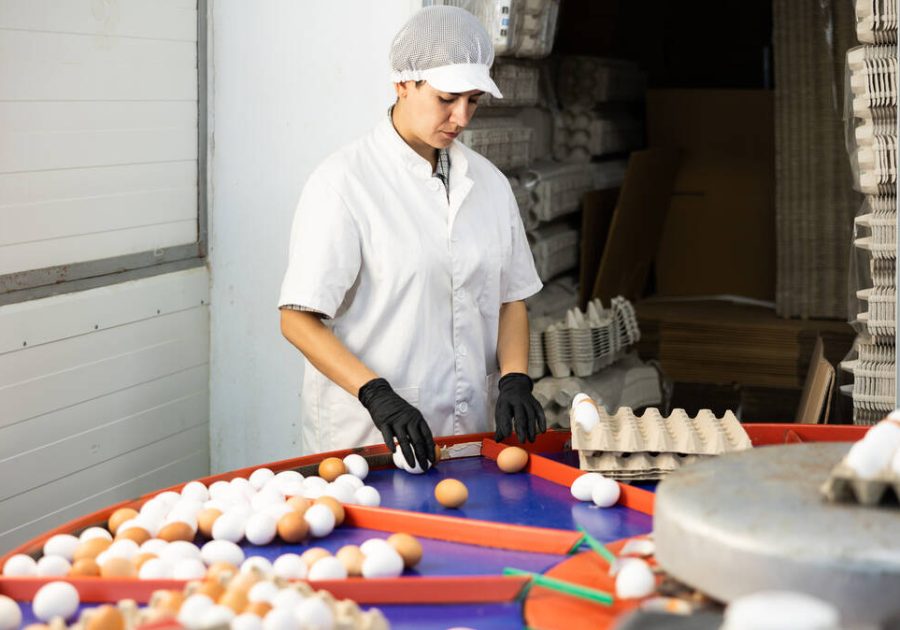
IGD has relaunched Feeding Britain’s Future with a far broader mandate than when the programme first appeared more than a decade ago.
This time, the ambition is sharper, the scale is larger and the focus is firmly on preventing young people from falling out of education and work before the problem takes hold.
The movement now aims to engage every UK secondary school by 2030 and help reverse the rising number of young people who are NEET.
With youth unemployment surpassing one million and reaching a 12‑year high, IGD argues that the sector must act collectively to avoid a generation being left behind. The relaunch is designed to bring the full weight of the food system to bear on that challenge.
A major shift is the introduction of a new partnership with The Careers & Enterprise Company. Together, the organisations will deliver a modernised model of work experience that moves beyond the traditional one‑ or two‑week block placement. Instead, the new approach blends virtual experiences, employer‑led projects, site visits and short placements. It is designed to be more flexible, more inclusive and easier for employers to support at scale.
Sarah Bradbury, IGD’s chief executive, said the relaunch reflects a need to rethink how young people encounter the food and drink sector. “Too many young people still don’t see it as a place to build their future,” she said. “Through Feeding Britain’s Future, we want to change that by opening up access, raising awareness and creating meaningful experiences of work.”
The programme builds on IGD’s long‑running schools initiative, which has already reached 133,000 young people. But the new model goes further. School workshops will now sit within a wider package of early career experiences, with an ambition to reach 50,000 students in 2027.
Evidence shows that high‑quality careers provision reduces the likelihood of a young person becoming NEET by around 8%, with double the impact for those receiving free school meals.
Pilots of the modernised work experience will begin in 2026 across the South, Midlands and North of England. Regional groups of food businesses will work together to create joined‑up “farm to fork” experiences for schools.
Employers will be able to contribute in different ways, from one‑hour sessions to multi‑day placements, making participation more accessible for companies of all sizes.
Industry leaders say the relaunch comes at a critical moment. Labour shortages are intensifying across the value chain, with more than 22,000 vacancies advertised at any one time and a third of the workforce now over 50.
Tesco UK CEO Ashwin Prasad said the sector has a responsibility to act.
“At a time when over a million young people are not in education, employment or training, the food and drink industry is determined to step up and do what we can,” he said.
The Careers & Enterprise Company’s CEO, John Yarham, emphasised the importance of early exposure to employers. “By making it easier for employers to get involved, we can help more young people develop the skills, knowledge and confidence they need,” he said.
Alongside the new work experience model, Feeding Britain’s Future will expand its careers resources for students, teachers and parents, strengthen partnerships with universities and deliver free early‑career learning to help train 6,000 learners in 2026.
The relaunch marks a shift from a programme focused on short‑term interventions to a coordinated, long‑term movement aimed at reshaping how young people enter the food system. It seeks to solve two problems at once: helping businesses secure the future workforce they need, while giving young people clearer, earlier and more meaningful routes into work.