Consumer sustainable eating considerations are on the rise
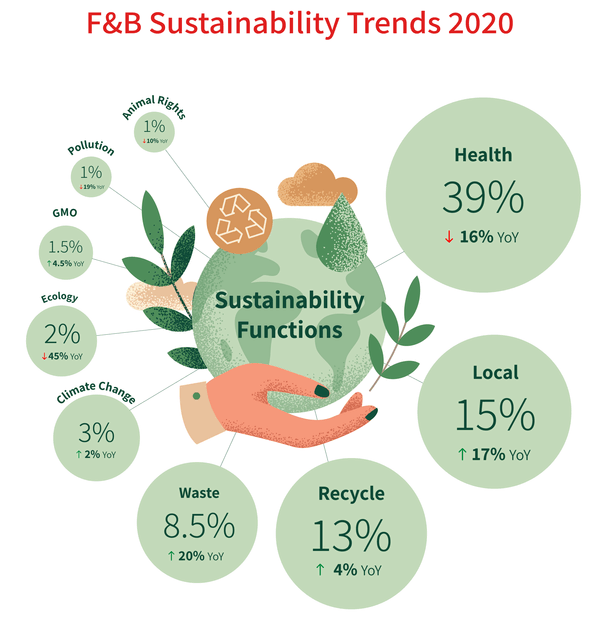
Tastewise, an AI-powered food intelligence startup, which predicts sustainability trends for the food and beverage industry in 2020, has found 23% more consumers prioritise sustainable food choices today than a year ago
Analysing over 2 billion social interactions, more than 3m online recipes, and the largest restaurant menu database available of 274,000 restaurants, the latest report from Tastewise forecasts industry changes in sustainability for the coming decade.
Furthermore, the data-driven approach examines why.
For example, consumers’ eco-motivations and health needs eclipse all other factors when it comes to sustainable food, propelling the growing popularity of dark chocolate and cocoa beans.
Other highlights from the report include:
● While 39% of consumers’ sustainable conversations focus on health benefits, only 1%
discuss animal rights, disproportionally to its impact on environment sustainability
● Meatless conversations are on the rise, with vegan diet proving most popular
● California leads the way in sustainability; with only 12% of US population, it’s home to
22% of sustainable restaurants
● Keto dieters are seeking suitable, sustainable meat options, while some are ready to
avoid animal products altogether
● Seafood is taking over sustainable recipes, with pollock dominating sustainable seafood
menus, and oysters rising fastest in discussions
● Juice and smoothie bars that promote sustainable packaging are benefiting from
increased consumer excitement
● Healthy waffles and oats are on track to win the restaurant scene
“Sustainability is an issue that’s increasingly important across food categories and markets, and we’re excited to offer data that impacts the future of our industry,” said Alon Chen, Tastewise Co-Founder and CEO. “We are helping our clients on a daily basis to find the right sustainable solutions that meet their consumer needs of today, as well as tomorrow. If a menu or a product doesn’t offer sustainable seafood, it’s time to catch up to consumers’ heightened culinary consciousness.”