Legacy systems driving 117-tonne food waste crisis in UK supply chains
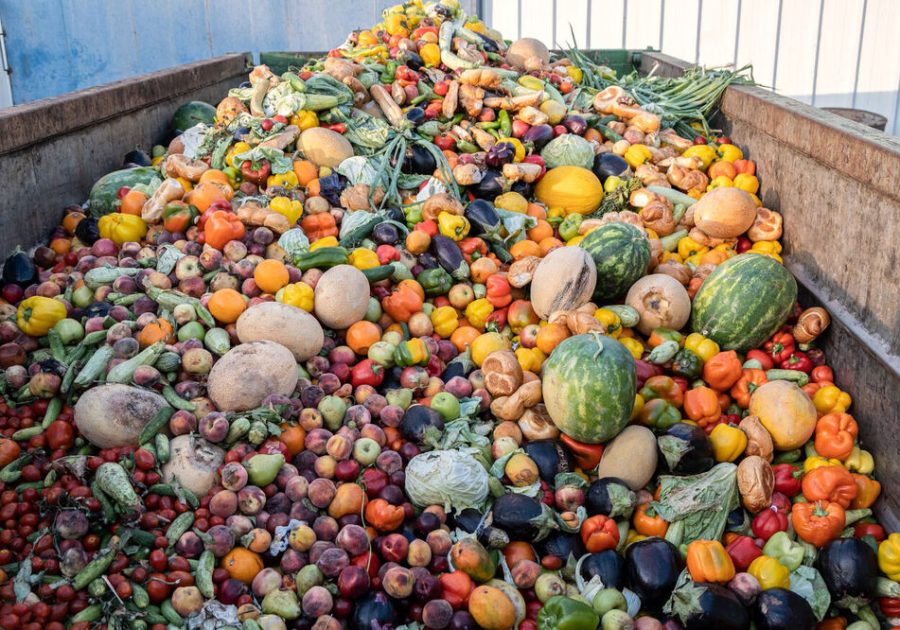
New research has exposed a significant “complacency paradox” within the UK food and drink industry, revealing that outdated warehouse technology is causing the average business to discard 117 tonnes of food annually.
The study, titled Out of Date and conducted by supply chain technology partner Balloon One, found that UK supply chain managers are losing an average of 12.29% of their fresh or perishable stock every year. Financially, this equates to a staggering loss of £156,599 per business due to avoidable internal issues.
While many supply chain leaders expressed confidence in their operations, the data tells a different story. Over 60% of businesses still rely on legacy, spreadsheet-based, or manual processes. On average, the warehouse or inventory management systems currently in use have not been upgraded in nearly six years.
The research identified two primary technological drivers of avoidable waste:
- Outdated technology (37%): systems are unable to keep pace with modern supply chain demands.
- Lack of system integration (33%): a failure to link warehouse and forecasting data leads to over-ordering and poor stock rotation.
“The confidence in legacy systems is masking the true scale of the problem,” said Craig Powell, managing director at Balloon One. “This issue must be addressed immediately, or businesses risk harming their sustainability objectives, customer relationships, and margins.”
Beyond the balance sheet, the “Out of Date” report highlights shifting priorities at the board level. Supply chain managers cited reputational damage (27%) and failure to meet sustainability objectives (20%) as the most significant non-financial risks of food waste. As ESG (Environmental, Social, and Governance) scrutiny intensifies, avoidable waste is increasingly viewed as a brand-threatening liability rather than just an operational hiccup.
Despite the current waste levels, the sector remains optimistic. Nearly 80% of managers believe the industry can halve food waste by 2030 in line with national targets. To achieve this, 52% of businesses plan to adopt new warehouse or inventory management systems within the next five years.
Investment is increasingly being driven by the desire for business growth and customer satisfaction. Powell noted that the greatest opportunities for waste reduction lie in picking and packing, forecasting, and stock rotation — areas where modern, automated systems deliver the most immediate impact.