Amcor and Vöslauer lock in sustainability with new tethered cap rollout

Amcor has joined forces with Austrian mineral water leader Vöslauer to launch a high-performance tethered cap solution, marking a significant technical milestone for the European beverage trade as it navigates stringent new environmental mandates.
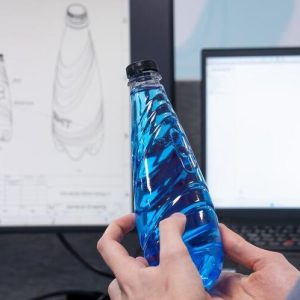
The partnership comes as the industry moves to comply with the European Union’s Single-Use Plastics (SUP) Directive, which requires caps to remain attached to beverage containers to improve collection and recycling rates. While many early market iterations of tethered closures have faced criticism for being awkward or uncentered, the Amcor-Vöslauer design focuses on a “click-to-lock” mechanism that secures the cap firmly in place during pouring and consumption.
The innovation is particularly significant for Vöslauer, a brand that has already transitioned its entire portfolio to 100% recycled PET (rPET). By integrating Amcor’s tethered technology, the company is addressing the final piece of the circularity puzzle — ensuring that the closure is recovered alongside the bottle rather than being lost to the environment.
“At Vöslauer, we are committed to making every part of our packaging as sustainable as possible,” the company stated regarding the rollout. “Partnering with Amcor allowed us to find a solution that not only meets legal requirements but actually enhances the drinking experience for our customers, ensuring the cap stays out of the way while the bottle remains fully recyclable.”
For the wider food and drink trade, the innovation offers a blueprint for balancing regulatory compliance with consumer convenience. The design is engineered for high-speed production environments, allowing manufacturers to adopt the new format without the need for extensive or costly overhauls of existing bottling lines. Furthermore, the lightweight construction of the closure helps to mitigate the overall material footprint, a critical factor for brands working toward 2030 carbon reduction targets.
By ensuring the cap and bottle enter the recycling stream as a single unit, the solution significantly reduces the sorting burden at recovery facilities. This “lock-in” approach to circularity is expected to become the industry standard as global brands move beyond simple material substitution toward systemic design improvements.