SPAR eyes European rollout of tray-free meat packaging
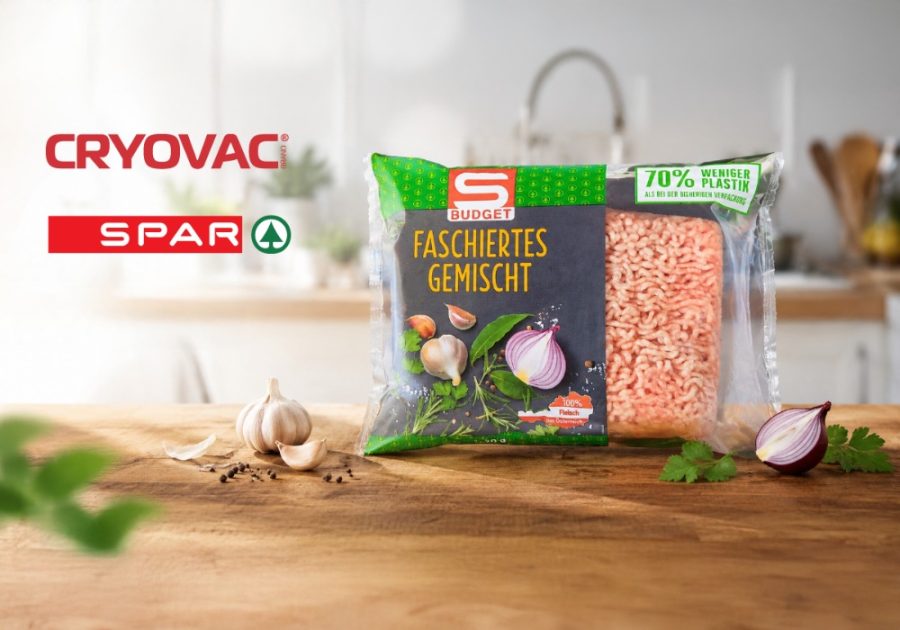
Spar Austria has successfully concluded a landmark packaging pilot that could signal the end of traditional tray-and-lid systems for fresh meat across its European estate.
By completely eliminating the rigid plastic tray for fresh minced meat items, the retailer has achieved a staggering 70% reduction in plastic use by weight, translating to a savings of 14 tonnes of plastic annually.
The trial, conducted at Spar Austria’s TANN meat processing facility in Marchtrenk in collaboration with Sealed Air, used the Cryovac brand MonoPP Flowpack system. Following a comprehensive analysis of the pilot’s operational and commercial success, plans are currently underway to evaluate a broader rollout of this trayless solution to other TANN processing plants and SPAR retail sites across Europe.
Preparing for PPWR
The primary reason for Spar’s departure from decades-old packaging configurations is the impending phase-in of the EU’s strict Packaging and Packaging Waste Regulation (PPWR). The upcoming legal frameworks place unprecedented pressure on food processors and grocery retailers to aggressively scale back total packaging material volume and transition toward circular economies.
Roman Auinger, plant manager at Spar TANN Marchtrenk, explained the strategic shift: “Tray-and-lid systems have dominated fresh meat packaging for decades, offering product visibility and structural support. However, we wanted to look at packaging innovations that could support new regulatory requirements to reduce packaging material usage, while also addressing rising material costs. Working closely with Sealed Air, a tray-free solution was specified, Cryovac brand MonoPP Flowpack, which has helped us to cut plastic by 70%, whilst keeping shelf life and line speed unchanged.”
Eradicating the hidden costs of the rigid tray
Traditional tray-and-lid systems represent an accumulation of operational, environmental, and financial strains. Beyond the sheer mass of plastic consumed, the physical volume of rigid trays introduces severe logistical inefficiencies.
Because the flexible, high-barrier mono-polypropylene (MonoPP) film occupies significantly less physical volume prior to filling, Spar’s warehouse operations now require 176 fewer transport pallets per year. This massive optimization of the supply chain logistics matrix, combined with the reduction in raw materials, has allowed the retailer to slash carbon emissions by approximately 70% over the course of the pilot.
Furthermore, multi-material tray-and-lid setups frequently complicate municipal sorting lines. In contrast, the Cryovac MonoPP Flowpack material is certified as fully recyclable by the Cyclos-HTP Institute, allowing it to integrate directly into existing polypropylene (PP) recycling streams.
Markus Zavec, sales director for Austria, Germany, and Switzerland at Sealed Air, detailed these background challenges: “SPAR Austria’s conventional tray-and-lid system was linked to escalating costs, including environmental, operational, and financial. The packaging consumed substantial material, required intense warehouse operations, and complicated recycling pathways. The pilot was a decisive and early move to address these challenges.”
“In addition to reducing packaging material usage and CO₂ emissions, Cryovac brand MonoPP Flowpack has also delivered wider brand benefits for SPAR Austria. Two-thirds of shoppers responded positively, appreciating the product visibility and ease of opening delivered by Sealed Air’s packaging solution.”
Maintaining line speed and shelf life
For high-volume meat processors, the major hurdle to adopting flexible flowpacks has traditionally been the risk of dropping throughput speeds or compromising the gas barrier required to protect shelf life.
The TANN Marchtrenk pilot successfully proved that the flexible MonoPP barrier film matches the strict shelf-life requirements of conventional modified atmosphere packaging (MAP) tray formats. Crucially for factory floor efficiencies, SPAR maintained high-speed production levels of 44 packs per minute without experiencing any spikes in component failure, product waste, or reject rates.
As European regulatory deadlines loom closer, the transition highlights a vital pivot point for the global meat supply chain: moving away from over-engineered rigid plastics toward lean, mono-material configurations that satisfy both corporate sustainability targets and industrial output realities.
Reflecting on the wider industry implications, Roman Auinger concluded: “Transitioning from established packaging formats involves operational, commercial, and consumer considerations that require thorough evaluation. Working in partnership with Sealed Air has enabled us to think carefully about such factors and find a solution where responsibility meets performance by evolving our packaging for the circular economy. With frameworks like PPWR emphasising recyclability and material reduction, mono-material packaging solutions offer a more future-aligned pathway.”