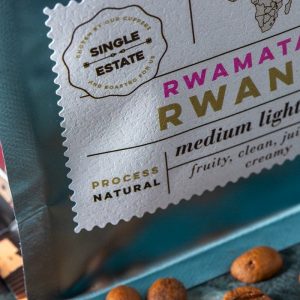
Producers must embrace provenance as shorthand for premium quality
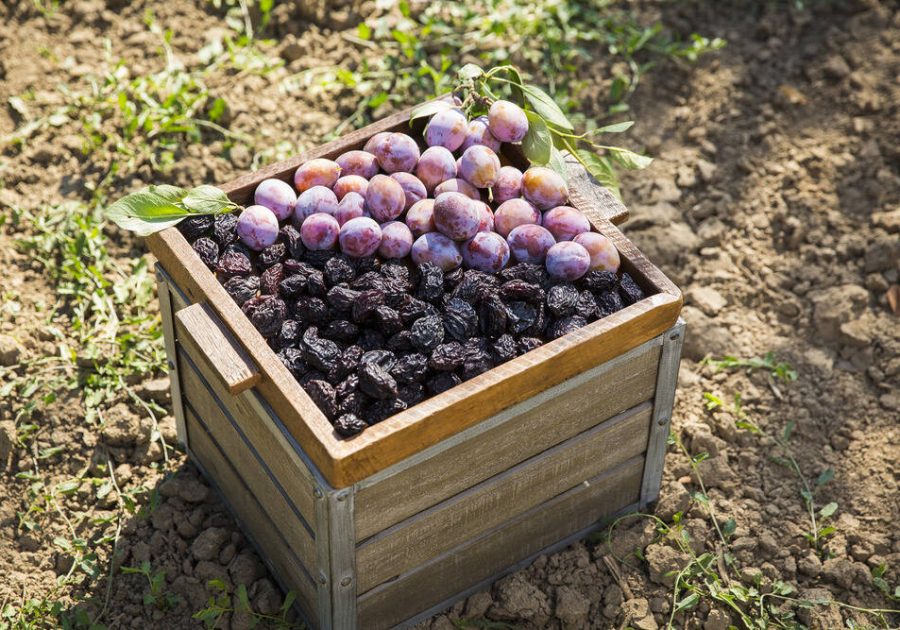
What is genuinely inside food, and exactly whose hands tended to it before it reached a plate?
Once a niche consideration for gourmet epicureans, food provenance has officially gone mainstream. Today’s consumers no longer view origin as trivia; instead, it serves as a powerful, non-negotiable cue for quality, safety, and ethics across the global food and drink industry.
The modern appetite for transparency
This shift in consumer behaviour is backed by hard data. Recent YouGov statistics reveal that 56% of British adults actively want food manufacturers to provide greater transparency regarding ingredients and sourcing. This isn’t an isolated UK trend, either. The latest Eurobarometer on Food Safety in the EU highlighted that geographical origin weighs heavily on the minds of 42% of European consumers when purchasing food.
Furthermore, a study published in Food Policy confirmed that origin claims frequently act as a direct psychological shorthand for superior quality. For businesses looking to secure brand loyalty, proving where a product comes from has become just as critical as its price point.
A century and a half of California craftsmanship
Few agricultural sectors illustrate the power of provenance quite like California Prunes, an industry that supplies roughly 40% of the world’s prunes. Spanning more than 40,000 acres across the fertile Sacramento and San Joaquin Valleys, the region benefits from an ideal climate, strict food safety protocols, and deeply rooted multi-generational grower expertise.
The state’s plum heritage traces back more than 170 years to the mid-19th century Gold Rush, when French horticulturist Louis Pellier brought the legendary Petit d’Agen variety to California. Today, that heritage is safeguarded by 400 growers and 25 handlers represented by the California Prune Board.
“Exacting techniques at work in the orchards and processing plants are at the root of why California prunes are revered by the trade and consumers,” explains Esther Ritson-Elliott, director of international marketing and communications for the California Prune Board. “For consumers it is their taste, size and versatility, and for the trade it is the product consistency and reliable year-round supply.”
Precision in the orchard
The premium status of a California prune isn’t an accident of nature; it is a product of rigorous, highly specialised agricultural craftsmanship.
Unlike conventional plum varieties, California prune plums are left to ripen completely on the tree without fermenting. Growers meticulously track fruit firmness and sugar content to target the exact moment for harvest.
Passion meets accountability
While high-throughput optical sorting and climate-controlled drying tunnels guarantee physical perfection, local farmers insist that the true differentiator is cultural.
“California’s soil has got almost everything you need to grow specialty crops and also the accountability of safe food practices,” says Ranvir Singh, a grower based in Marysville. “We grow the safest food possible.”
Courtney Ferris Taylor, a fellow prune grower from Yuba City, agrees: “You could say it is the soil or the sunshine. At the end of the day, it comes down to passion. It is the growers who live and love to farm, and who are passionate about creating a quality product.”