UK canned food sector faces resilience threat
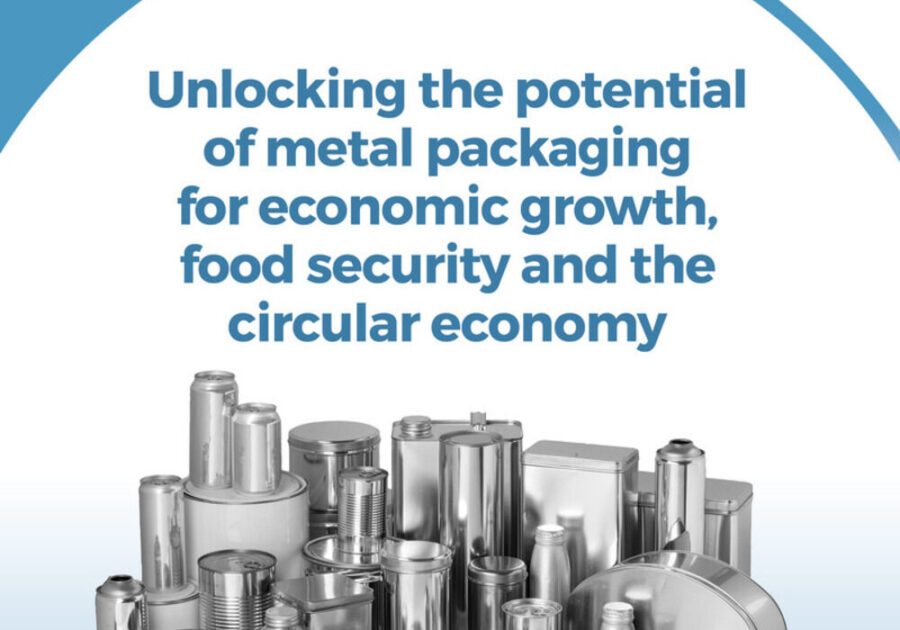
The Metal Packaging Manufacturers Association (MPMA) has launched a manifesto warning that disconnected environmental, trade and industrial policies are undermining UK metal packaging manufacturing.
It says the cumulative impact could accelerate the move away from domestically produced steel food cans, putting manufacturing capacity and food security at risk.
The UK Government’s ambition to strengthen domestic manufacturing, improve food security and build national resilience is at odds with the policies currently affecting the metal packaging sector, according to the Metal Packaging Manufacturers Association (MPMA).
Launching its new manifesto, the trade association warns that measures covering packaging waste, recycling, energy costs and steel imports are creating conditions that could make UK-produced metal packaging increasingly uncompetitive.
The implications extend beyond can manufacturers. Steel food cans are an established packaging format for the food industry, providing long shelf life, product protection and the ability to preserve food without refrigeration. If domestic manufacturing capacity declines, food producers could become increasingly dependent on imported packaging and alternative materials.
The MPMA represents companies producing steel and aluminium cans and closures for food, beverages and household products. The sector contributes more than £4bn to the UK economy and supports over 4,000 skilled jobs.
Jason Galley, director and chief executive of the MPMA, says Government policy needs to recognise the wider economic and strategic contribution of metal packaging, rather than assessing it solely through the lens of waste management and circularity.
“The MPMA Manifesto sets out a practical case for change outlining how policy impacting metal packaging should be assessed not only through the lens of circularity and waste management but also for its strategic contribution to economic prosperity, public health, food security and national resilience.”
Packaging policy could encourage material switching
A central concern is the impact of Extended Producer Responsibility (EPR), which places financial responsibility on producers for the management of packaging waste.
The MPMA argues that current EPR charges are higher per container for steel food cans than for competing plastic and fibre-based composite cartons. It believes this creates a financial incentive for food businesses and brands to move away from steel, potentially towards materials that offer fewer circularity benefits.
The association is calling for EPR fees to be reviewed to better reflect the environmental and recycling value of metal packaging. It also opposes proposed fee discounts for glass, arguing that these could place a disproportionate cost burden on other packaging materials.
For food manufacturers, the issue is how packaging costs and regulatory charges influence material selection. A system that makes one format more expensive than another could affect packaging specifications, investment decisions and the economics of established product lines.
The MPMA also wants changes to the Deposit Return Scheme (DRS) to support aluminium can-to-can recycling and retain valuable scrap within domestic supply chains.
Steel supply and manufacturing competitiveness
Trade policy is another area of concern. The association is calling for no further reductions in tariff-free import quotas for packaging steel, alongside greater recognition of the importance of UK-produced steel and recycled metals to domestic metal packaging manufacturing.
It also wants the Carbon Border Adjustment Mechanism (CBAM) extended to filled steel and aluminium packaging.
The concern is that imported products in alternative packaging formats can enter the UK without facing equivalent carbon-related import costs, potentially disadvantaging domestic manufacturers.
The MPMA is also seeking changes to the British Industrial Competitiveness Scheme (BICS), including extending support across the metal packaging value chain and introducing a gas subsidy for metal packaging manufacturers.
Further proposals include maintaining the Climate Change Levy and Climate Change Agreements beyond 2033, avoiding a gap in energy-efficiency support, and introducing grants and discounts to help manufacturers invest in electrification.
Together, these measures are intended to address the cost pressures facing metal packaging producers while supporting investment in more efficient and lower-carbon manufacturing.
Galley says: “Defra and DBIST policies need to align to support domestic manufacturing and food security. In reality, interconnecting policy is combining to push businesses and brands away from metal packaging towards less circular alternatives, including plastics and fibre-based composite cartons.
“This risks driving packaging and food manufacturing overseas despite the metal packaging sector being central to the delivery of key government objectives on circularity, resource efficiency and steel and critical mineral strategies.”
Canned food and national preparedness
The MPMA’s argument also centres on the role of canned food in the UK’s ability to maintain food supplies during periods of disruption.
Unlike many fresh and chilled products, canned food is pre-cooked and can be stored without refrigeration. The association highlights a shelf life of up to five years, making it particularly relevant to emergency food supplies and situations where access to cooking facilities or electricity may be restricted.
Metal packaging also provides protection during transport and storage, helping to preserve food quality and reduce waste.
The association believes these characteristics make domestic can manufacturing an important part of the UK’s wider food security infrastructure.
Galley warns that the combination of policies affecting the sector could accelerate the relocation of packaging production and food manufacturing overseas.
“Ill-conceived, disjointed government policies, particularly by Defra, are jeopardising the future of the steel food can, ‘the tin can’, when national resilience has never been so critical. Without intervention, the UK is sleepwalking into a canned food crisis. The hard fact is that the government’s emergency preparedness position is at odds with UK packaging regulations.”
He adds that offshoring would increase dependence on overseas supply chains while weakening the competitiveness of UK-made metal cans.
The MPMA’s manifesto calls for environmental ambition and industrial competitiveness to be considered together. The outcome could influence not only the future availability and cost of metal packaging, but also the resilience of the supply chains supporting everyday food production.