The next round?
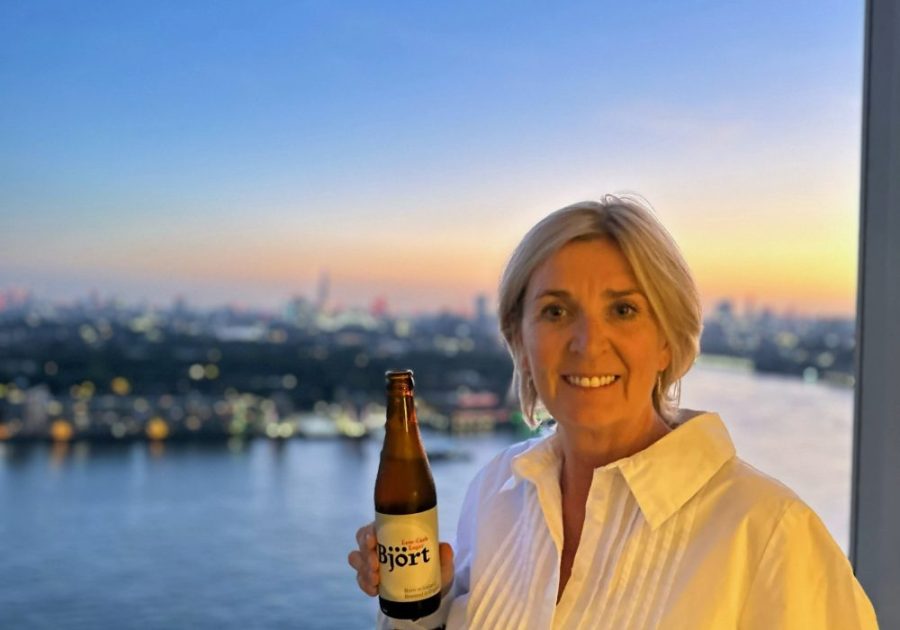
Hrefna Bachmann, founder of Björt.
As health-conscious consumers increasingly scrutinise what they eat and drink, the alcohol sector is beginning to follow the path forged by food, soft drinks and functional beverages.
From low sugar and clean labels to calorie reduction and mindful consumption, the next frontier may not be alcohol-free beer — but low-carb lager. A new UK launch inspired by Nordic success offers a glimpse of how the category could evolve.
For years, food and drink manufacturers have responded to growing consumer demand for healthier products by reformulating recipes, reducing sugar, increasing protein and fibre, and embracing clean-label ingredients. The soft drinks sector has undergone its own transformation, while functional beverages have emerged as one of the industry’s fastest-growing areas.
Beer, however, has largely remained outside that conversation.
That may be beginning to change.
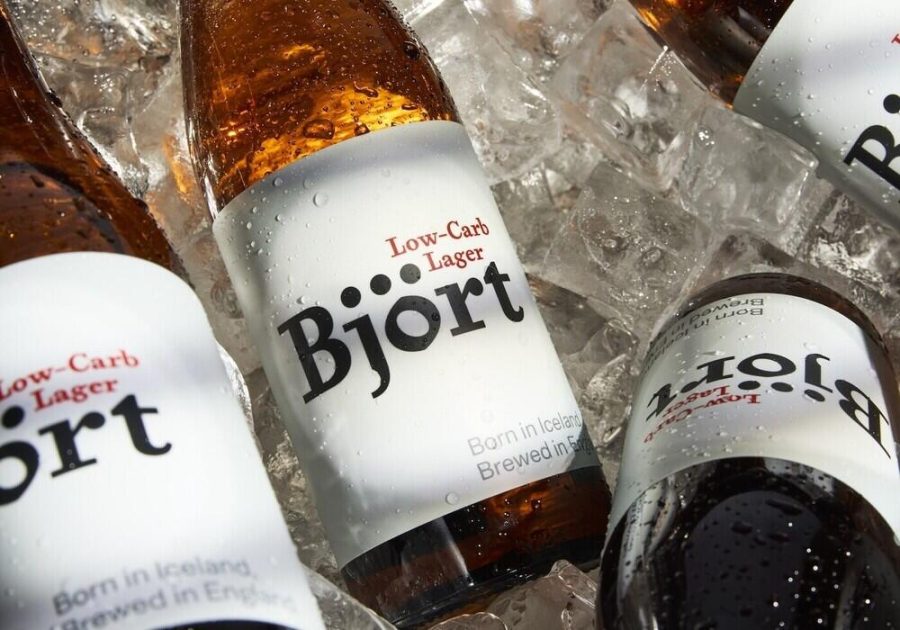
The arrival of Björt, a naturally gluten-free, low-carb lager containing just 0.3g of carbohydrates per 330ml bottle, highlights what could become one of the next significant developments in alcoholic drinks innovation. While the low- and no-alcohol sector continues to expand, another consumer movement is gathering momentum: drinkers who still want a full-strength beer, but one that better aligns with healthier lifestyles.
Health is reshaping alcohol choices
Health-conscious consumers are no longer limiting their purchasing decisions to supermarket food aisles. Increasingly, the same expectations around nutrition, ingredient transparency and calorie awareness are influencing alcohol purchasing decisions.
Hrefna Bachmann, founder of Björt, believes the shift is structural rather than short-lived.
“Health-conscious consumers are transforming the beer category at a rapid pace. With the global low-carb beer market growing fast, it’s clear that drinkers no longer want to compromise between enjoyment and wellbeing. Today’s consumers actively scan labels for carbs, calories and sugar, and brands that fail to adapt risk being left behind.”
She argues that beer is simply following a path already established elsewhere across food and drink.
“The ‘better-for-you’ movement that reshaped food and soft drinks, driven by demand for low-sugar, low-calorie and clean-ingredient products, is now firmly entering the alcohol category. Drinkers want their beer to fit their lifestyle, not work against it.”
Learning from the Nordics
The idea behind Björt was born not in a brewery, but during the Covid-19 pandemic.
After returning to her native Iceland during lockdown, Bachmann adopted a ketogenic, low-carbohydrate lifestyle. She quickly discovered that conventional beer consumed a significant proportion of her daily carbohydrate allowance. Yet in Iceland and across Scandinavia, low-carb beers had already become established as part of a broader wellness movement.
Returning to the UK, she found the market offered very few comparable products.
“The UK market has indeed lagged in low-carb beer innovation,” she says. “Unlike the Nordics, where health-driven brewing has been thriving for years, British drinkers have had almost no genuine low-carb choices. The few alternatives on the market still contain over 4g of carbs, which doesn’t meet the needs of keto or low-carb consumers.”
Björt’s launch aims to fill that gap by bringing a Nordic-inspired proposition to UK consumers.
Innovation without compromise
Developing a beer with just 0.3g of carbohydrates presented significant technical challenges.
Reducing carbohydrate levels is only part of the equation. Maintaining balance, flavour, body and drinkability remains essential if consumers are to adopt healthier alternatives for the long term.
Rather than developing an entirely new brewing process, Björt built on an established Icelandic formulation before working with Sussex-based Hepworth Brewery to adapt it for UK production.
“The challenge is not simply reducing carbohydrates; it is doing so without compromising balance, flavour, drinkability or overall quality,” explains Bachmann.
“Our focus throughout development was to create a beer that could stand on its own merits as a great-tasting premium lager first and foremost. The low-carb credentials are an added benefit, but the beer has to deliver the same enjoyment and refreshment consumers expect from any quality lager.”
That reflects a broader trend visible across food manufacturing, where successful reformulation increasingly depends on preserving the sensory experience consumers expect rather than simply improving nutritional credentials.
Taste still comes first
As with reduced-sugar foods or plant-based alternatives, healthier positioning alone is unlikely to guarantee repeat purchases.
“Low-carb credentials might attract consumers the first time,” says Bachmann, “but only great taste brings them back.”
The lesson mirrors developments across multiple food categories, where manufacturers have learnt that health claims cannot compensate for disappointing flavour or texture.
Instead, success depends on balancing nutritional improvements with premium product quality.
Following the functional foods playbook
Perhaps the most interesting aspect of low-carb beer is how closely it resembles the trajectory already followed by functional foods and healthier beverages.
Bachmann believes alcohol is beginning to adopt the same innovation principles.
“Alcohol is finally catching up with what food and soft drinks have known for years — consumers want products that fit their lifestyle, not fight against it. Lessons from functional foods, low-sugar drinks and wellness brands are now directly shaping alcohol innovation.”
Rather than creating a niche product, manufacturers are increasingly looking to integrate health-conscious attributes into mainstream categories.
That shift is influencing product development strategies across the drinks industry.
“Low-carb, keto and reduced-calorie options are becoming a baseline expectation rather than a premium feature,” she says. “Brands that lead with genuine nutritional credibility will define the next era of beer innovation.”
Could low-carb become mainstream?
Low- and no-alcohol products have moved from specialist ranges into supermarket aisles and hospitality menus within a relatively short period.
Bachmann believes low-carb beer could follow a similar trajectory.
“Today’s niche is tomorrow’s mainstream — we’ve seen it with plant-based foods, low-sugar soft drinks and the low- and no-alcohol category. Low-carb beer is next.”
She also sees encouraging signs from retailers and hospitality operators.
“Forward-thinking retailers are expanding their ‘better-for-you’ alcohol ranges, and premium bars and restaurants are reflecting the same wellness mindset their food menus already embrace. Consumers don’t want to switch off their health goals when they drink.”
Björt itself has already secured listings in a number of premium restaurants and featured at the VIP screening of David Attenborough’s A Gorilla Story, suggesting that healthier premium beers may be finding receptive audiences beyond specialist retail channels.
A structural shift for brewing?
Whether low-carb beer develops into a major category remains to be seen. However, the wider consumer trends driving its emergence appear unlikely to disappear.
Consumers are becoming more informed, more label-conscious and increasingly intentional about the products they consume. Wellness, fitness and moderation continue to influence purchasing decisions across almost every food and drink category.
“People still want a great beer; they just don’t want to compromise their goals to enjoy one,” says Bachmann.
Looking ahead, she expects the brewing industry to continue evolving in response.
“These aren’t passing trends — they’re the new foundation of the industry. Expect more low-carb, low-calorie and functional innovation alongside continued low- and no-alcohol growth. Moderation today isn’t about drinking less; it’s about drinking better.”
If that proves correct, low-carb beer may represent more than a product launch. It could mark the beginning of another cross-category shift, where brewing adopts the same health-led innovation strategies that have already reshaped food, soft drinks and functional nutrition. For manufacturers, the challenge will be familiar: deliver healthier products without asking consumers to compromise on the experience that made them choose the category in the first place.