Energy efficiency gap puts manufacturers at risk, ABB warns
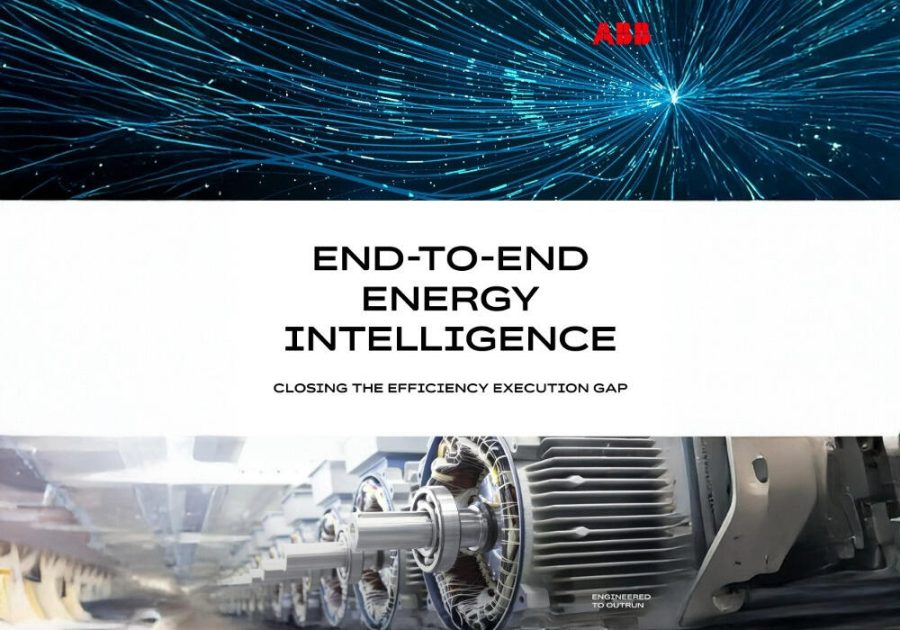
Energy efficiency has become a defining competitiveness issue for food and drink manufacturers, with new research from ABB warning that companies are struggling to turn ambition into meaningful, long‑term results.
A global survey of 2,700 senior industrial decision‑makers across 15 countries shows that 63% have already invested in energy‑efficiency measures, and a further 29% plan to do so within the next year. Yet despite this momentum, ABB says progress remains fragmented, with execution — not intent — now the biggest barrier to improvement.
Energy still accounts for around a quarter of operating costs for manufacturers, and nearly six in ten respondents said rising prices continue to threaten profitability.
“Energy efficiency has become a foundation for business continuity, compliance, and long‑term value creation. It’s a condition for market access,” said Erich Labuda, president of ABB’s Motion Services division. “Today, leaders care about optimising energy use. What they struggle with is deployment, at scale, and over time.”
Two‑thirds of companies (67%) say they are digitally ready, already using or preparing to deploy energy‑management software. But only 37% consistently apply total cost of ownership (TCO) when making investment decisions, despite 81% agreeing it should guide purchasing. Responsibility for energy efficiency is also scattered across operations, sustainability, finance and maintenance teams, leaving no single owner accountable.
Labuda said the barriers have shifted: “Cost is no longer the main blocker. What’s holding companies back now are organisational silos, skills gaps and a lack of usable data.”
The report also highlights a growing risk of “post‑renewables complacency”. Among companies that have switched to renewable energy, more than a third say their focus on efficiency has declined — even though renewables reduce carbon intensity, not consumption.
ABB argues that the next phase of industrial energy management will be defined by delivery capability, not ambition. Food and drink manufacturers that combine diagnostics, digital optimisation, modernised motor‑driven systems and lifecycle services will be best placed to protect margins and reduce exposure to volatility.
The full report accessible here.