Scientists use oleogelation to fix the melt in vegan cheese
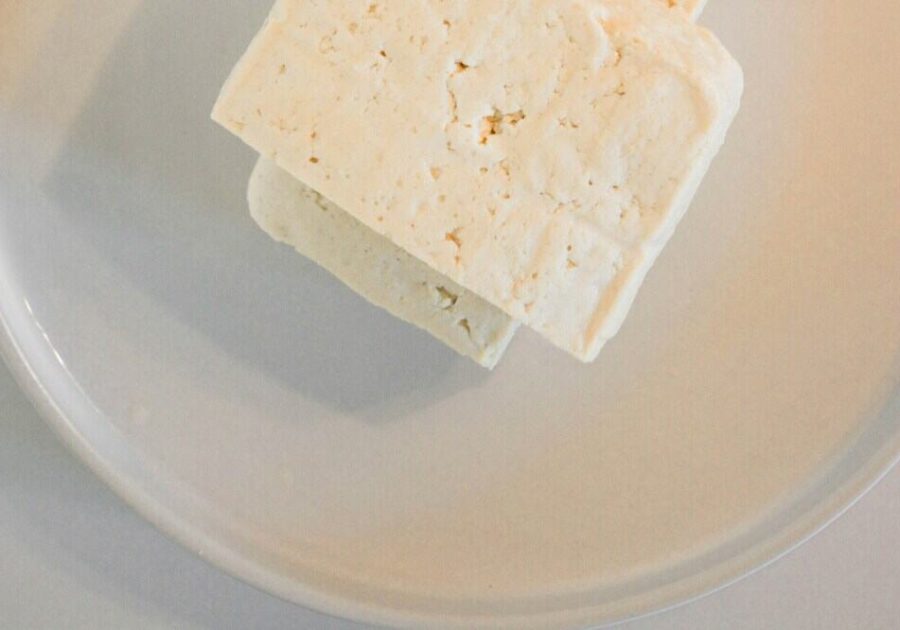
Image: christina-deravedisian-em0uZnvKl8M-unsplash
Scientists from Heriot-Watt University are developing a healthier, greener alternative to traditional vegan cheese, targeting the high levels of solid fats that currently dominate the market.
Professor Stephen Euston, who has spent nearly a decade on the project, has secured new funding from the EPSRC to move his research from the lab to a real-world tasting panel.
The core of the problem lies in the current composition of dairy-free slices. “It’s fair to say that when most people try vegan cheese for the first time, they don’t wax lyrical,” says Euston. He explains that while “normal” cheese is mostly protein, vegan versions often have none, relying instead on starch, flavourings, and high amounts of coconut or palm oil.
Currently, vegan cheeses often contain up to 25% saturated fat to achieve a “sliceable, meltable” texture. Beyond health concerns, Euston notes that “consumers are becoming increasingly averse to palm and coconut oil due to the deforestation involved.” To solve this, his team is using oleogelation — a technique that adds special molecules to liquid oils, like UK-grown sunflower or rapeseed, to create a 3D structure that traps the oil and makes it behave like a solid fat.
The research, recently published in the journal Food Chemistry, indicates that this new method reduces saturated fat to as low as 3%. An “unintended bonus” of the vegetable oil formula was improved performance. “Meltability is one of the biggest complaints about vegan cheese — it’s not very oozey — so improving that feature is an unintended bonus,” Euston says.
The project is now entering its final stretch. Within the next 10 months, the cheese will be presented to a tasting panel to see how it performs on the plate. While the flavour profile may remain similar to existing products, the nutritional and environmental credentials will be significantly enhanced. “It won’t taste any better or worse than the current vegan cheese slices on the market,” Euston concludes, “but it will be more heart healthy and greener.”