Frugalpac scales high-speed sustainable paper bottles
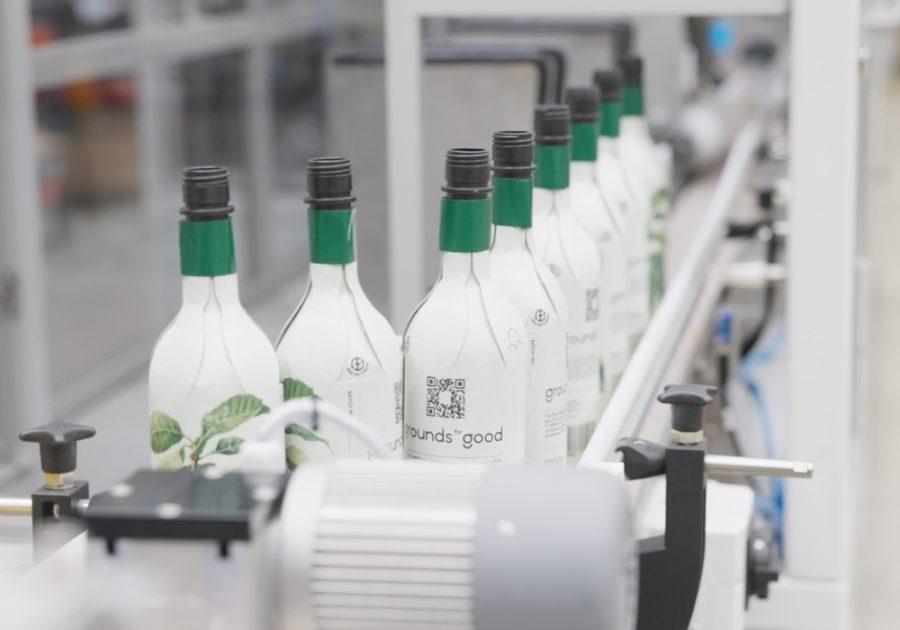
A new high-speed assembly system from Frugalpac aims to scale lower-carbon packaging by achieving cost parity with glass and integrating directly into existing bottling lines.
The global drinks industry is facing a dual squeeze: rising energy costs for glass production and intensifying pressure to meet stringent carbon reduction targets. In response, British sustainable packaging firm Frugalpac has unveiled its Frugal Bottle Assembly Machine 2 (FBAM-2), a high-capacity system designed to transition paper-based bottles from a niche innovation to an industrial standard.
Scaling the green bottle
The FBAM-2 represents a significant leap in output, capable of producing up to 14 million bottles annually. This is more than five times the capacity of previous models. By designing the machine for installation directly at bottling plants or regional packaging hubs, Frugalpac is pitching a decentralised manufacturing model that targets the inefficiencies of the traditional glass supply chain.
For drinks manufacturers, the operational shift offers several logistical advantages:
- Reduced transport costs: manufacturing bottles on-site eliminates the need to ship empty, heavy glass containers over long distances
- Supply resilience: localised production buffers brands against global glass shortages and price volatility.
- Lower breakage: the recycled paperboard structure is inherently more durable during transit than traditional flint glass.
Sustainability meets the bottom line
While consumer demand for eco-friendly packaging has been high, brands have often been deterred by the “sustainability premium”—the higher cost of alternative materials. Frugalpac claims the FBAM-2 bridges this gap, finally bringing paper bottles toward cost parity with glass.
The environmental credentials remain the primary hook. Compared to a standard glass bottle, the Frugal Bottle boasts:
- An 84% reduction in carbon footprint.
- An 84% lighter profile, significantly cutting down on shipping emissions.
- 76% lower water usage during the manufacturing process.
“The question is no longer whether alternatives to glass exist, but how quickly they can be implemented at scale,” the company noted during the launch.
Branding beyond the label
The FBAM-2 isn’t just about efficiency; it’s about the “shelf shout.” Unlike glass, which relies on paper labels, the paper bottle offers 360-degree printability. This allows for bold, wraparound branding that appeals particularly to younger, eco-conscious demographics who view packaging as a direct reflection of a brand’s values.
Internally, the bottle utilises a food-grade plastic liner to maintain the integrity of wines, spirits, and RTDs (ready-to-drink), ensuring the product’s shelf life and flavour profile remain uncompromised.
The road ahead
With over 4 million paper bottles already in circulation and major retailers increasing their “alternative format” shelf space, the FBAM-2 launch signals a shift in the industry’s trajectory. As Extended Producer Responsibility (EPR) regulations tighten across Europe and North America, the move toward lightweight, low-carbon formats is transitioning from a marketing choice to a regulatory necessity.
For the drinks industry, the FBAM-2 suggests that the future of the cellar might just be made of paper.