
Gender gap risks deepening food industry crisis
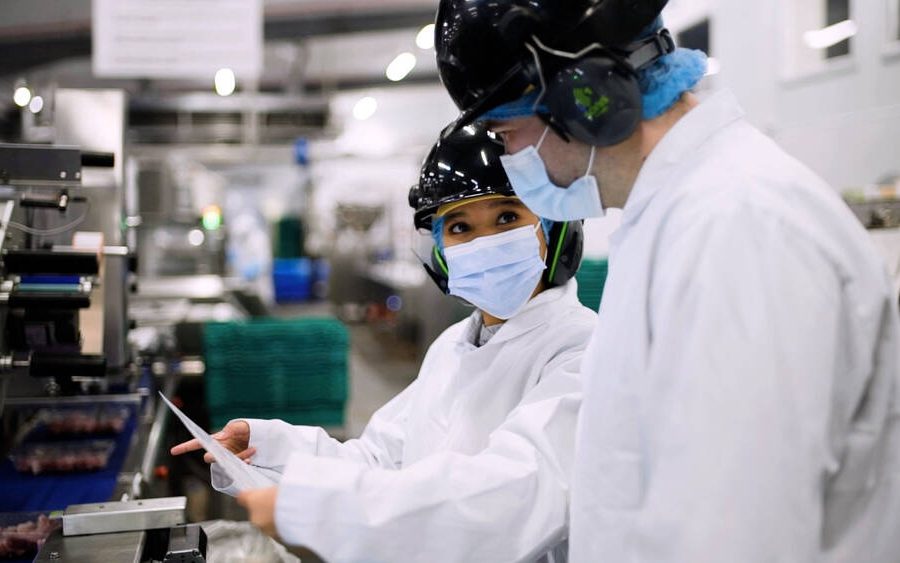
Uneven progress on gender balance across global food manufacturing is creating a widening divide between organisations — and risks intensifying the sector’s productivity crisis — according to the new 2026 Gender Representation Report published by Meat Business Women.
The report finds that while some organisations are making measurable progress, others are stagnating, creating a structural gap that threatens long‑term capability.
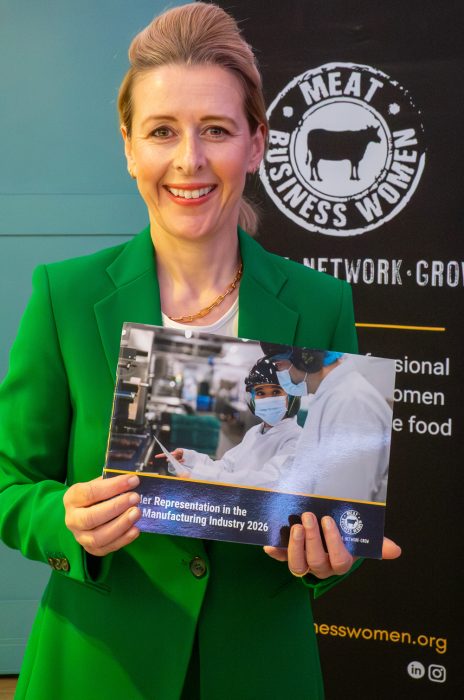 Laura Ryan, global chair of Meat Business Women, said the data reveals a stark split: “The report found that women make up 46% of the workforce in leading organisations, compared to just 26% in lagging businesses, showing a 20 percentage point difference.”
This divide appears at six out of seven career ladder stages, including the critical first step into leadership. At entry level, women represent 47% of the workforce in leading organisations versus 26% in lagging ones. At first‑line manager level, the gap remains significant at 40% versus 25%.
Ryan warns that this disparity is already constraining the industry’s future leadership pipeline. “This sustained gap is reducing the industry’s future leadership pipeline, limiting the progression of women into senior roles, and reducing the diversity of talent available at the top,” she said. “This is no longer simply an industry‑wide challenge, but increasingly a reflection of individual leadership choices.”
The report highlights that organisations making the strongest progress treat gender balance as a commercial priority. These businesses measure representation, act on data, strengthen early‑career pipelines and embed flexibility in practice rather than policy alone. Conversely, those failing to take deliberate action “risk falling behind on capability, culture and competitiveness.”
Businesses signed up to the Food Business Charter outperform non‑participants across four of seven career stages, including the crucial transition into leadership. Retailers emphasise that gender balance is directly linked to supply chain resilience.
Richard Wood, category director at Tesco, said: “A more balanced workforce is closely linked to capability, resilience and long‑term performance, and we’re seeing that suppliers taking structured, deliberate action are better positioned for the future.”
Karen O’Connor, general manager at Coles, added that progress depends on how effectively organisations build their talent pipelines: “Suppliers creating environments where people can see a path to progress are better positioned to retain skills and develop future leaders, which is critical to long‑term capability.”
To meet the Food Business Charter’s ambition of 40% female representation by 2035, the report calls for consistent, measurable action — equivalent to a 0.6% annual increase in women entering and staying in the workforce, alongside equal progression rates for men and women.
Ryan concludes that leadership commitment will determine the industry’s trajectory: “The evidence is clear: progress is driven by leadership. Those who fail to act risk leaving talent and value on the table, while those who move forward strengthen performance, productivity and growth.”
Download the Report via the Meat Business Women website here