Climate‑proof lettuce innovation debuts
Staay Food Group has expanded its protected‑cultivation portfolio with the introduction of iceberg leaf lettuce, a controlled‑environment alternative designed to deliver the familiar crunch of iceberg while reducing exposure to climate‑driven supply shocks. The launch marks a strategic move for the Dutch supplier as European growers continue to face unpredictable weather patterns, from prolonged heatwaves to heavy rainfall.
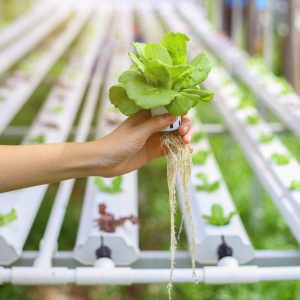
Developed in partnership with Deliscious and grown hydroponically using a Rijk Zwaan variety, the new product mirrors the sensory profile of conventional iceberg but is produced entirely indoors. This shift allows Staay to offer customers — particularly retailers and foodservice operators — a more stable, year‑round supply. With outdoor lettuce crops increasingly vulnerable, Staay says demand for protected‑grown leafy greens is accelerating across Europe.
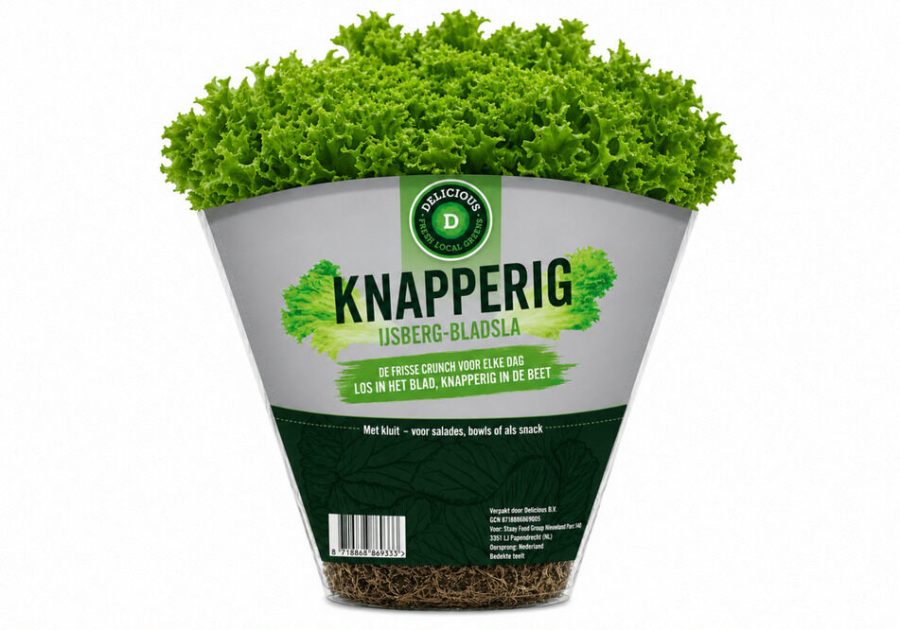
Supplied with its root ball to extend freshness and shelf life, iceberg leaf lettuce is initially available in limited volumes, with capacity to scale as market interest grows. For industrial processors and foodservice buyers, Staay is also offering root‑ball‑free heads to streamline preparation. The company positions the product as a direct response to the sector’s need for climate‑proof sourcing and more predictable procurement cycles.
Michiel Geraedts, Staay Food Group board member, says the launch reflects a broader shift in fresh produce strategy: “The question is no longer whether climate change will affect availability, but how the sector responds.” Indoor systems, he notes, are becoming essential for maintaining consistency, reducing crop losses and ensuring quality standards even during extreme weather events.
The introduction strengthens Staay’s hydroponic range, complementing its existing protected‑grown lines and reinforcing its commitment to innovation in leafy‑veg production. As traditional iceberg supply remains under pressure, the company expects iceberg leaf lettuce to play an increasingly important role for buyers seeking resilience without compromising on taste or texture.
For retailers, the product offers merchandising flexibility and a premium freshness story; for processors, it provides a uniform raw material with reduced variability. Staay says the controlled‑environment model also supports more efficient water use and improved sustainability metrics — factors that are becoming central to procurement decisions across Europe’s fresh‑produce market.