Analysis: transforming waste sites into low-carbon food hubs
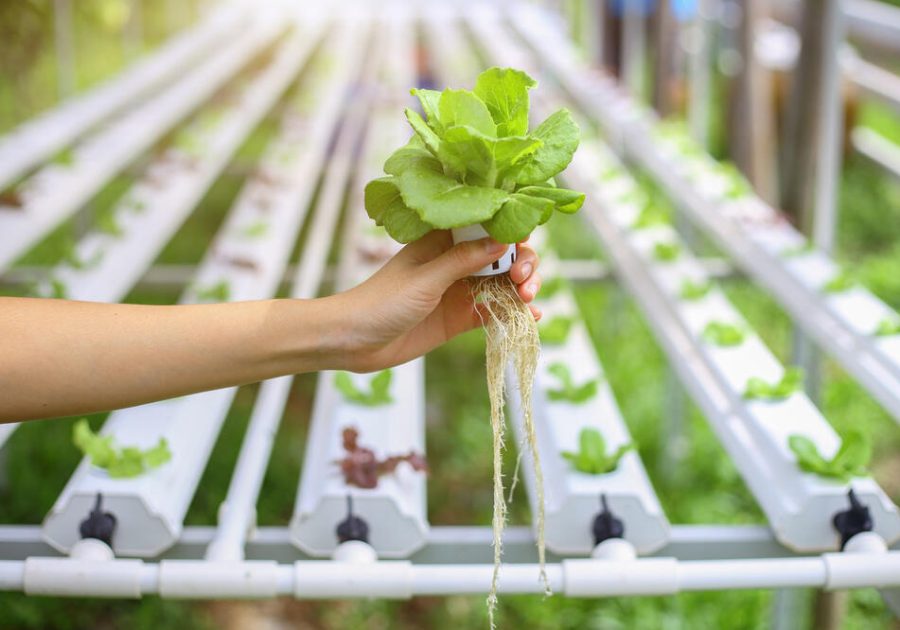
In an era where food security and land scarcity are increasingly at odds, a pioneering initiative in Wiltshire is demonstrating how the UK’s forgotten brownfield wastelands — decommissioned landfill sites — could be the key to a localised, low-carbon revolution in fresh produce.
A project, highlighted by Sustain Wiltshire, represents a radical departure from traditional vertical farming by integrating circular economy principles directly into the landscape of waste management.
By repurposing landfill sites into high-tech fruit and vegetable production hubs, the initiative promises to cut food miles, lower production costs, and transform carbon-heavy liabilities into green assets.
Harvesting waste energy
The core of this transformation lies in the clever utilisation of landfill by-products. Decommissioned sites continue to produce methane gas and heat for decades. Traditionally, this gas is either flared or used for basic electricity generation. However, the “From Landfill to Lettuce” model captures this latent energy and waste heat to power climate-controlled greenhouses and hydroponic systems located directly on top of the remediated land.
By utilising behind-the-meter energy that would otherwise be lost, these hubs can operate with a significantly lower carbon footprint than traditional glasshouses, which often rely on expensive and carbon-intensive natural gas. This energy cost-saving is passed down the supply chain, offering a viable route to affordable sustainable produce.
Circular nutrition: beyond energy
The radical nature of the approach extends to the nutrients themselves. The project explores the potential of using refined organic digestate — often a by-product of nearby anaerobic digestion plants — to provide the nitrogen and minerals required for hydroponic growth. This creates a closed-loop system where local organic waste is transformed into the very nutrients that feed the next cycle of crops.
“This is about more than just growing food; it’s about repairing the metabolic rift between our cities and our land,” notes the report. For food and drink manufacturers, this offers a stable, year-round supply of British-grown ingredients — such as leafy greens, herbs, and soft fruits — that are immune to the volatility of international supply chains and extreme weather events.
A win for food manufacturers and ESG
For the food industry, the implications are profound. As brands race to meet Scope 3 emissions targets, sourcing from landfill-based hubs provides a verifiable “carbon-negative” or “low-carbon” ingredient story. The proximity of these sites to urban centres also means that “field-to-fork” transit times are reduced from days to hours, significantly extending shelf life and reducing retail food waste.
Furthermore, the project addresses the land-use conflict. With prime agricultural land increasingly designated for housing or rewilding, utilising the UK’s 2,000+ historic landfill sites provides a “second life” for land that is otherwise unsuitable for permanent building structures.
As the Wiltshire pilot moves toward scale, it serves as a blueprint for local authorities and private waste contractors to transition from waste managers to food producers. In the battle for a sustainable food system, it seems the answer may have been buried under our feet all along.