Tesco and Branston launch low-carbon spuds following trial

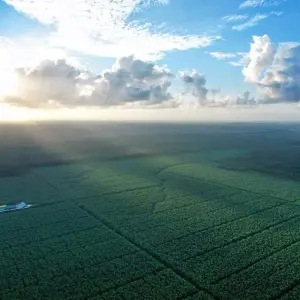
Tesco has introduced its first range of potatoes grown at a Low Carbon Concept Farm, a milestone reached through a collaborative trial with long-term supplier Branston that aims to slash the environmental footprint of one of the UK’s most popular staples.
The initiative, which has moved from trial phase to retail shelves, focuses on reducing the greenhouse gas (GHG) emissions associated with potato production. By implementing regenerative agriculture techniques at Branston’s concept farm, the partnership has targeted a significant reduction in CO2e per tonne of potatoes, specifically addressing Scope 3 emissions within the supermarket’s supply chain.
For agricultural operators and procurement teams, the success of the trial highlights the operational viability of low-input farming at scale. Key interventions included:
- Reduced tillage: minimising soil disturbance to keep carbon sequestered in the ground.
- Fertiliser innovation: using organic-based fertilisers and precision application technologies to reduce reliance on carbon-intensive synthetic nitrogen.
- Cover cropping: protecting the soil between main crops to improve biodiversity and nutrient retention.
The launch aligns with the accelerating regenerative agriculture trend, where retailers are moving beyond simple plastic reduction to focus on the carbon intensity of the food itself. As Tesco works toward its goal of becoming net zero across its entire value chain by 2050, this successful trial provides a blueprint for other high-volume categories, such as field vegetables and grains.
“We are thrilled to be launching these potatoes with Branston. This trial shows what is possible when we work closely with our farmers to innovate and tackle the carbon footprint of the food we eat,” says Emma Botfield, fresh produce director at Tesco.
Jim Saker, managing director at Branston, added: “The Low Carbon Concept Farm is all about testing new ways of working that can be rolled out across our wider grower base. It’s about ensuring the long-term resilience of the potato industry while protecting the environment.”