The methane gap
The latest retail rankings from the Changing Markets Foundation and Mighty Earth, Shelved Again: Supermarkets’ Missing Action on Methane, paints a stark picture of the global retail landscape.
Despite a combined revenue of $2 trillion, the world’s biggest supermarkets are effectively stalling on methane action. For food and drink manufacturers — particularly those in the meat and dairy sectors — this “leadership vacuum” is a warning.
Retailers are currently failing to report methane emissions or set reduction targets, but the pressure is mounting. As the gatekeepers to the consumer, supermarkets are the ultimate middleman for Scope 3 emissions. When the regulatory or public pressure finally forces these giants to act, that pressure will be offloaded directly onto the manufacturers.
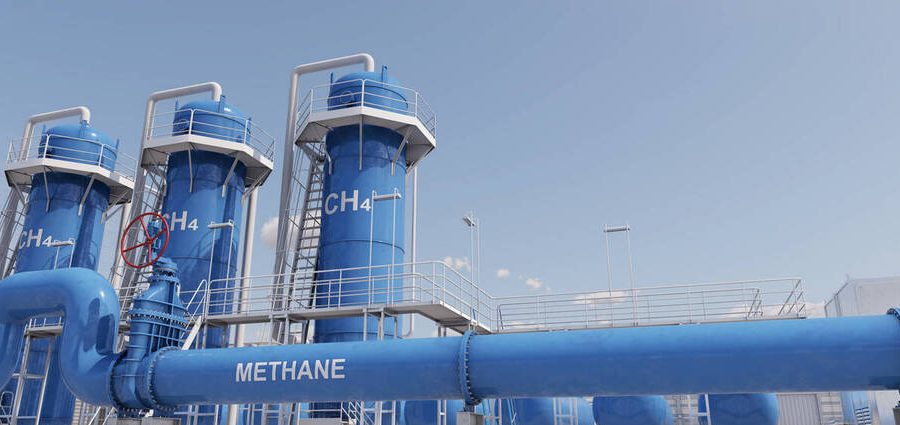
Methane is 80 times more potent than CO2. Because it is short-lived in the atmosphere, cutting it is the fastest way to slow global warming. For manufacturers, this means your methane footprint is about to become your most scrutinised metric.
While retailers are lagging, some manufacturers are already moving. Danone is nearly five years ahead of schedule on its 30% methane reduction target, and Marfrig has set a precedent by becoming the first meatpacker to publish its specific methane emissions. These early movers are setting a benchmark that will soon become a baseline requirement for any brand wanting to stay on the shelves of leaders like Tesco or Lidl.
The report calls for better data and a fundamental shift in what we eat. The recommendation is a 2030 target of 60% plant-based protein versus 40% animal-based protein.
For manufacturers, this signals a permanent shift in shelf-space allocation. The “Planetary Health Diet” is moving from a scientific concept to a procurement strategy. Companies that diversify their portfolios into legumes, nuts, and high-quality vegetable proteins now will be the preferred partners for retailers looking to slash their Scope 3 numbers quickly.
With 150 nations committed to the Global Methane Pledge, the transition to a low-methane food system is inevitable. Manufacturers shouldn’t wait for retailers to find their footing. By adopting science-based methane targets and increasing transparency now, you become the solution to a retailer’s biggest climate problem.
The message to the industry is the data exists, the technology exists, and the shelf-life of inaction has expired.
- Rodney Jack, editor, Food & Drink Technology. Keep in touch via email: [email protected] X: @foodanddrinktec or LinkedIn: Food & Drink Technology magazine.