Private label innovation reshapes global grocery fixtures
The global grocery sector has crossed a major structural threshold in new product development. Long regarded as the unique trendsetters of the supermarket aisle, major name brands are officially losing their monopoly on innovation.
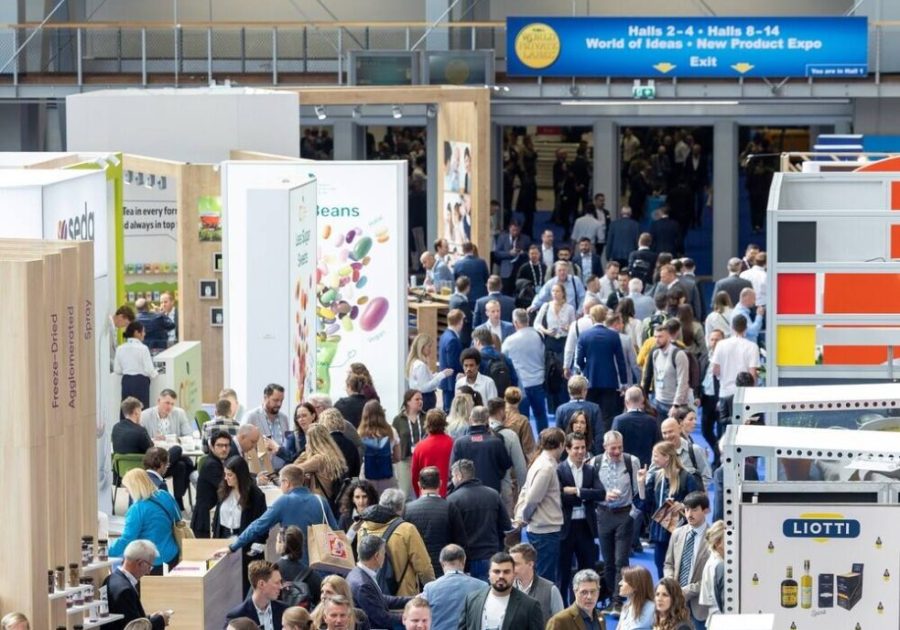
At the 2026 PLMA World of Private Label trade show in Amsterdam, the international retail community demonstrated unprecedented agility. This rapid private label innovation is aggressively capturing next-generation shopper trends. Supermarkets are successfully transforming their own-brand ranges from low-cost alternatives into premium, boundary-pushing destination lines.
Exploiting next gen functional health
A major finding from the Amsterdam event is how rapidly supermarket brands are capitalising on the wellness demands of Gen Z and millennial shoppers. Instead of leaving high-margin functional categories to specialised health brands, retailers showcased extensive own-label extensions.
The revamped World of Ideas zone featured cutting-edge store-brand developments like collagen shots, electrolyte sports beverages, and creatine-enriched workout granolas. Supermarkets are successfully proving that they can formulate complex, science-backed nutritional products at a highly accessible retail price point.
Embracing bold flavours and clean labels
Additionally, own-brand developers are demonstrating massive creative courage in their flavour profiling to attract adventurous younger demographics. Standout products at the New Product Expo included avant-garde concepts like bubble tea in yogurt, seaweed spreads with ginger, and caper-flavoured potato chips. Crucially, this culinary experimentation is balanced by a distinct shift away from ultra-processed formulations. Retailers are actively cleaning up their ingredient decks. They are prioritising clear, minimal-ingredient messaging directly on the front of packs to satisfy growing consumer demands for transparency.
PLMA president Peggy Davies highlighted the immense operational momentum currently driving the global own-brand manufacturing ecosystem: “PLMA’s World of Ideas area reflects the buoyancy of the private label community which continuously caters to the ever-changing needs of consumers. Next year, we will introduce new enhancements to our format to make the PLMA International World of Private Label Trade Show even more future-proof.”
Translating macro sustainability into premium formats
Furthermore, the event highlighted how private labels are spearheading circular economy product designs that outpace conventional FMCG corporations. The non-food and packaging segments featured groundbreaking consumer goods constructed entirely from post-industrial waste. For example, visitors evaluated high-quality cooking pans manufactured from recycled aluminium coffee cups and coffee grounds, paired with handles made from residual chewing gum processing flows. Thus, retailers are successfully utilising their own-label portfolios to hit strict corporate environmental targets while offering tangible, guilt-free value to consumers.
The record-breaking turnout of 3,350 exhibitors at the RAI Amsterdam Convention Centre confirms that own-brand production is a primary corporate priority.
Competing solely on historical brand equity is no longer a viable long-term strategy. To defend their dwindling shelf space, established brands must accelerate their commercial execution timelines. They must learn to match the rapid, trend-led packaging and formulation cycles that the private label sector now effortlessly commands.
Topics
2026 PLMA World of Private Label clean label flavours functional health Gen Z own-label private label Wellness
PeopleOrganisationsRegions