UK Government sets out rules to tackle deforestation in supply chains
The UK Government has confirmed a major step forward in its commitment to tackle global deforestation, unveiling plans for new regulations that will require businesses using forest‑risk commodities — including cattle, cocoa, coffee, palm oil, soy, rubber and derived products such as chocolate and furniture — to prove their supply chains are not linked to illegal forest loss.
The measures form part of the UK’s wider pledge, made at COP26, to halt and reverse forest loss and land degradation by 2030.
The new framework, set to be introduced under the Environment Act 2021 and through strengthened UK Timber Regulation legislation, will apply to businesses in Great Britain with an annual turnover above £1 million. These companies will be required to carry out mandatory due diligence, ensuring that any forest‑risk commodities they use are produced legally in their country of origin.
Why the Government is acting now
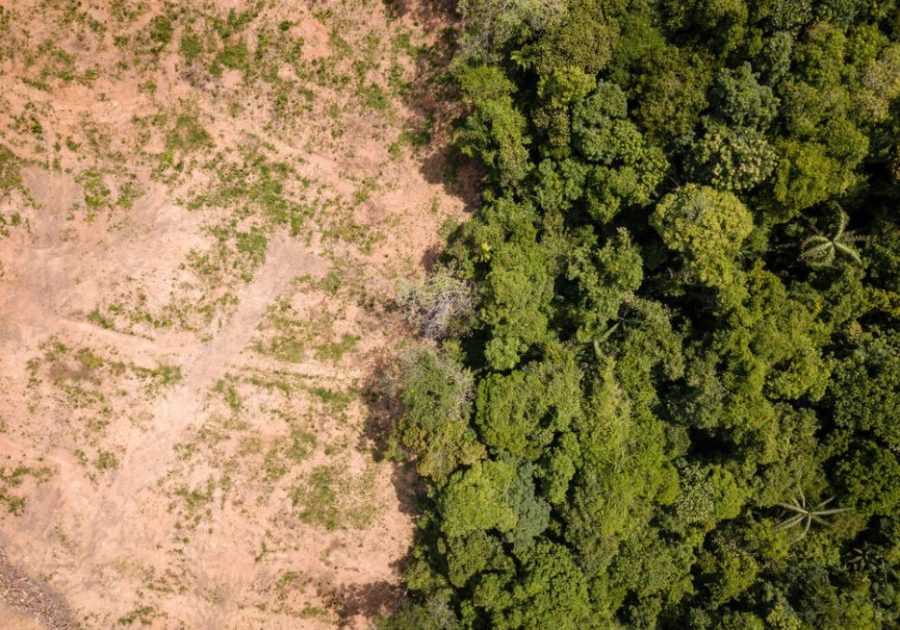
Defra data shows that around 90% of global deforestation is driven by agricultural expansion, much of it linked to internationally traded commodities such as soy, palm oil and cattle.
In 2023 alone, UK consumption of these goods was associated with 29,000 hectares of deforestation worldwide — an area one and a half times the size of Manchester — and 9.4 million tonnes of carbon emissions.
Nature Minister Mary Creagh said the new rules are essential to meeting climate and biodiversity goals: “Tackling global deforestation is one of the most effective ways we can address climate change and protect some of the world’s most unique and precious wildlife. Eliminating products linked to illegal deforestation not only helps protect ecosystems but strengthens our long‑term resilience.”
Retailers have also pushed for stronger regulation. The British Retail Consortium said the move aligns with long‑standing industry calls for consistent, enforceable rules that support forest conservation while reducing complexity for businesses operating across UK and EU markets.
What businesses will need to do
Under the proposed regime, companies must:
- Establish a due diligence system covering all relevant commodities
- Collect geolocation data for the land where products originated
- Hold evidence that production complied with local environmental laws
- Report publicly on their due diligence activity
The government intends for these requirements to operate in parallel with the EU’s Deforestation‑Free Products Regulation (EUDR), which will apply in Northern Ireland from December 2026. Aligning the two systems is designed to protect the UK internal market and avoid unnecessary burdens for exporters.
Toward deforestation‑free supply chains
While the initial focus is on illegal deforestation, the government has signalled its intention to move toward a deforestation‑free standard in future — meaning products would need to be free from any deforestation, legal or illegal.
The Secretary of State for Environment, Food and Rural Affairs, Emma Reynolds, said the UK must lead by example: “Healthy forests are essential to climate stability, economic growth and global prosperity. Strengthening our deforestation regulations is critical to securing supply chains and contributing to global efforts to halt forest loss.”
Implications
Companies using commodities such as cocoa, coffee, palm oil, soy, cattle‑derived ingredients and chocolate will face increased scrutiny of sourcing practices. Many already operate voluntary sustainability schemes, but the government argues that voluntary action alone cannot deliver the consistency needed to address the scale of the challenge.
The consultation on the detailed design of the Great Britain regime will take place later this year, with legislation expected in 2027.