
Global hunger falls but cost of healthy diets remains a challenge
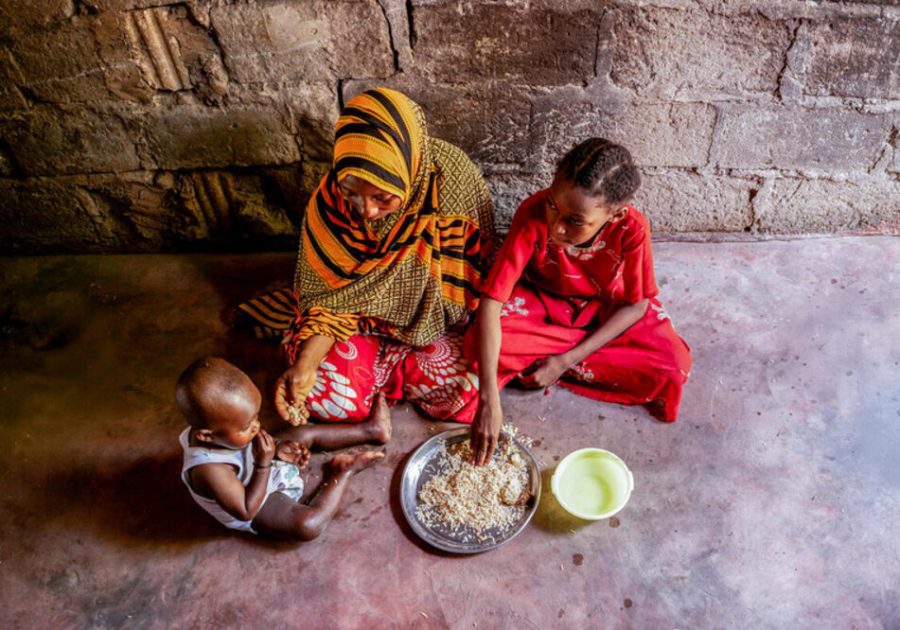
According to the 2026 SOFI report, a third of the global population still cannot afford a healthy diet. Image: FAO
Global hunger declined for a third consecutive year in 2025, but progress remains fragile and more than one in three people worldwide still cannot afford a healthy diet, according to the latest State of Food Security and Nutrition in the World (SOFI) report from the Food and Agriculture Organization of the United Nations (FAO) and four other UN agencies.
The report estimates that 7.8% of the global population faced hunger in 2025, equivalent to around 645 million people. That represents a reduction of almost 14 million people compared with 2024 and 43 million compared with 2022. However, the UN agencies warn that the improvement is “fragile, unevenly distributed and insufficient” to meet the Sustainable Development Goals by 2030.
For the food and drink industry, the report’s focus on the cost of healthy diets provides a significant indication of where the pressure points in the global food system remain.
Although the number of people unable to afford a healthy diet fell from 2.97 billion in 2021 to 2.69 billion in 2025, the average global cost of a healthy diet increased to 4.28 purchasing power parity dollars per person per day, compared with 3.44 dollars in 2021 and 2.94 dollars in 2017.
Regional disparities are particularly pronounced. In Africa, 66.6% of the population was unable to afford a healthy diet in 2025, while animal-source foods, fruit and vegetables account for the largest share of healthy-diet costs globally.
The report identifies food value chains as a major determinant of what consumers ultimately pay. Post-farmgate activities account for 70-75% of consumer food expenditure, with processing, logistics and wholesale accounting for up to 40% of total costs.
That places food manufacturers and their supply-chain partners at the centre of efforts to improve food affordability. The FAO says greater efficiency in these stages will be particularly important in lowering the cost of perishable, nutrient-rich foods.
The report calls for investment in infrastructure, research and development, irrigation and cold chains, alongside reforms covering subsidies, trade facilitation and regulatory frameworks. It also highlights the potential for targeted measures that increase productivity, reduce food losses and promote sustainable production to improve nutrition while strengthening resilience.
FAO director-general QU Dongyu said: “The report shows that progress is possible, but we must move faster. Ending hunger and making healthy diets affordable requires political commitment, sustained investment and enabling policies.”
The wider resilience of food supply chains is also highlighted by IFAD president Alvaro Lario, who said: “Resilient value chains must be a central part of the answer.”
For manufacturers, that makes the report highlights the relationship between the cost of food, the efficiency of the supply chain and consumers’ ability to access nutritious products.
The findings also underline the continuing nutrition challenge. Only 30.8% of children aged six to 23 months worldwide consume a minimally diverse diet, while 150 million children under five remain stunted. At the other end of the nutrition spectrum, adult obesity has increased from 12.1% in 2012 to 16.2% in 2024.
WHO director-general Dr Tedros Adhanom Ghebreyesus said: “While we welcome the clear progress we have made in reducing hunger, a healthy diet still remains unaffordable for one in three people globally.”
He added: “Healthy diets are not a luxury – they are the foundation of health and must be within everyone’s reach.”
The report also warns that the progress made could be undermined by conflict, climate shocks and economic pressures. Its projections suggest that between 510 million and 520 million people could still be facing hunger in 2030, depending on the impact of the Middle East conflict on food inflation, particularly through higher energy and fertiliser prices. Weather extremes could add further pressure.
For the food and drink manufacturing sector, the message is therefore increasingly focused on the economics of resilience. Improving processing and logistics efficiency, reducing losses, strengthening cold-chain infrastructure and maintaining diverse supply networks will all have a role to play in making nutritious food more accessible.
The FAO report argues that reducing the cost of healthy diets will require action across the entire agrifood value chain. For manufacturers, that means food security is about building efficient, resilient and cost-effective systems capable of getting nutritious products to consumers at a price they can afford.
Topics
food security healthy diets hunger nutrition
PeopleAlvaro Lario Dr Tedros Adhanom Ghebreyesus QU Dongyu
Organisations