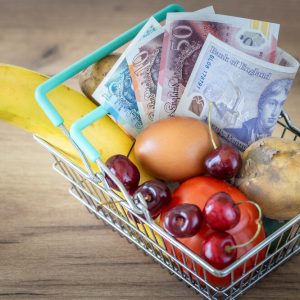
UK food inflation spike triggers industry alarm
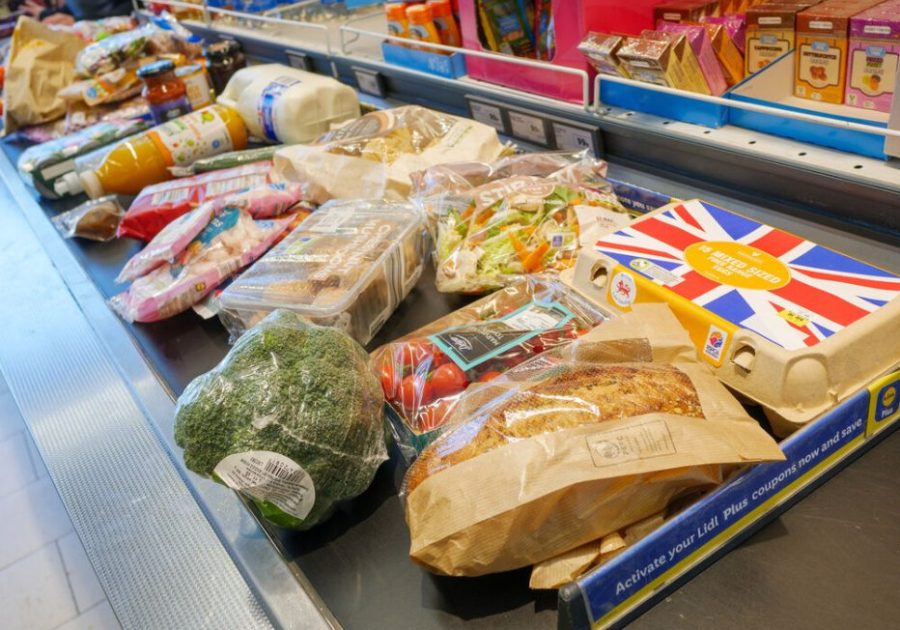
The Food and Drink Federation (FDF) has issued a stark update to its Food Inflation Forecast, warning that food and non-alcoholic drink inflation will reach 3.9% by December 2026 before climbing to a peak of 6.4% in July 2027.
Driven by energy disruptions from the conflict in Iran and severe climate events — including El Niño and summer droughts across Europe — the sector faces a prolonged inflationary plateau that will keep food prices elevated above historical averages throughout 2027.
Policy priorities
Food manufacturers have acted as the primary shock absorbers of the food system, but after six years of continuous disruption, operational resilience is wearing thin. To safeguard food security and give consumers breathing space, the FDF is urging the UK government to execute three key interventions:
- Targeted energy support: extend targeted energy bill support to food and drink manufacturers, bringing the sector into parity with other domestic manufacturing industries.
- Streamlined packaging reform: focus on effective, realistic implementation of existing packaging and recycling reforms, which are already adding billions to production costs.
- Pause promo & advertising rules: freeze complex, unenforceable plans to alter advertising and promotion rules, preventing further strain on industry resources during a period of market tightness.
“Food and drink manufacturers have kept food prices as low as possible during the energy shock since the closure of the Strait of Hormuz, including by driving new efficiencies in their operations. But they can’t do this indefinitely… By taking action, government can take the heat out of food inflation, help keep a lid on the cost of the weekly shop, and signal to hard-pressed food manufacturers that they take food security seriously,” said Karen Betts, chief executive, The Food and Drink Federation.
Beyond shock absorption
The FDF’s latest forecast underlines a fundamental change in macroeconomic pressure where price shocks have shifted from acute spikes to long, drawn-out plateaus. Food manufacturers cannot continually absorb double-digit commodity increases alongside £2bn in annual regulatory compliance costs without eroding their capacity to invest in technology, skills, and supply chain resilience.
With input inflation settling into a multi-year plateau, food and drink manufacturers have been left with little option but to push for policy relief while optimising operational efficiency and ingredient hedging strategies to navigate persistent market volatility through 2027.