From bean to butter
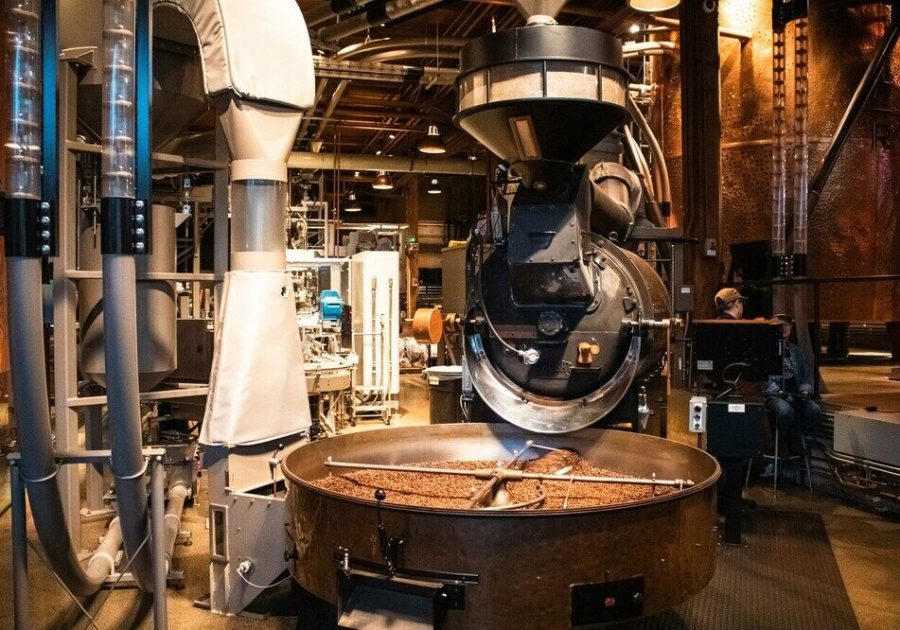
Image: zoshua-colah-Tputyf_-lwM-unsplash
As global demand for cocoa surpasses the capacities of production and supply, the cocoa industry faces a difficult task: managing regional shifting trends.
The pressure to supply cocoa when quality requirements change, or to trace cocoa beans throughout their journey from processing to manufacturing, makes it difficult to balance the tight market, especially when prices are surging.
So, while there’s a clear chain of effects from the raw material shortages and infrastructure hurdles, suppliers choosing to use technology in their favour can make a difference.
How suppliers sustain cocoa manufacturing
Working with cocoa suppliers must undergo certain steps to make processing efficient. For example, when you contact a cocoa powder supplier, you’d want to receive high-quality beans in a reliable supply as per your contract. Things don’t stop here, because the traceability of the supply is what makes the collaboration trustworthy, since you must know the source of the cocoa powder, along with the sustainability certifications that support compliance with applicable standards and regulations and are part of a stable supply chain. Overall, there needs to be a transparent supply chain so manufacturers can truly entrust suppliers with providing them with cocoa that meets the growing consumer demand for ethical cocoa, chocolate, and related products.
The importance of processing cocoa
Cocoa processing is a thorough operation that contributes to the final quality of the product. Manufacturers using industrial equipment will clean, sort, and roast the cocoa, followed by the process of winnowing, grinding, and pressing to end up with the final cocoa powder product. This system follows strict guidelines, as there are detailed production steps that institutions like the European Cocoa Association work from, while the International Cocoa Organization has several transformation standards manufacturers must consider.
How manufacturers use technology to face challenges
Balancing regulations with qualitative processes that result in the right cocoa blend is tricky without using technology. Luckily, high-tech solutions exist for cocoa manufacturers, and they come with benefits like reducing material waste, improving yield from cocoa beans, and even improving energy efficiency. For example, when it comes to traceability during the supply process, leveraging end-to-end tracking is useful to record bean movement from cocoa farms to the processing facilities. Some manufacturers might also consider using blockchain platforms.
Artificial intelligence and machine learning may enable forecasting yield and disease as in optimiding farm interventions, which is possible with real-time monitoring through sensors and IoT devices. Interestingly, machine learning can help fine-tune processes of roasting during manufacturing, or temper parameters to result in a consistent flavour, regardless of the raw material variations.
Conclusion
Supporting the rising demand for cocoa-based products when supply doesn’t come easily is difficult for manufacturers, but a new approach can change that. That’s why the collaboration between suppliers and manufacturers must be as transparent as possible, facilitated by technologies like blockchain for trustable tracking. At the same time, processing can improve with artificial intelligence and machine le
Organisations