UK sales of meat-free foods shoot up 40% between 2014-19
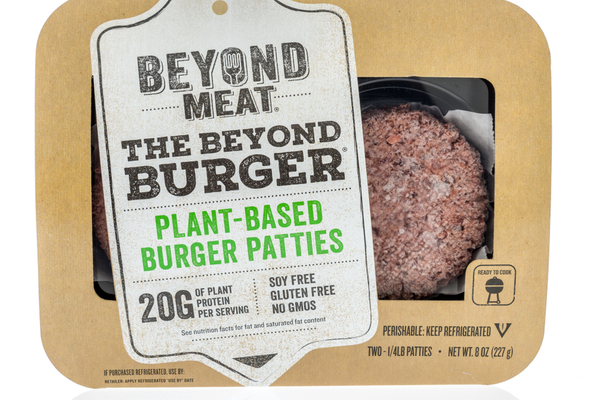
From meatless steak bakes to plant-based Whoppers, it seems that vegan food product launches are now in full swing as new research from Mintel reveals a nation hungry for meat-free foods.
Over the past two years, the number of Brits who have eaten meat-free foods has shot up from 50% in 2017 to 65% in 2019. Meanwhile, sales of meat-free foods have grown an impressive 40% from £582 million in 2014 to an estimated £816 million in 2019. Such is the popularity of meat-free food that sales are expected to be in excess of £1.1 billion by 2024.
According to Mintel research, the proportion of meat eaters who have reduced or limited the amount of meat they consume has risen from 28% in 2017 to 39% in 2019.
Women are more likely than men to have limited/reduced the amount of meat in their diets (42% compared to 36%); this rises to 45% among all under-45s. But while the meat-free market is thriving, 38% of non-users would prefer to substitute meat with other ingredients such as cheese or pulses, rather than buy meat substitutes.
Research from Mintel Global New Products Database (GNPD) also reveals that almost a quarter (23%) of all new UK food product launches in 2019 were labelled as vegan, compared to 17% in 2018. However, there has been no significant increase in the proportion of consumers who say they are vegan since 2018, according to Mintel research, with those following a vegan diet still only equating to around 1% of the UK population.
Kate Vlietstra, Mintel global food & drink analyst, said: “As the meat-free market becomes increasingly crowded, brands will need to find more ways to distinguish themselves from their competitors – it’s no longer enough to just be meat-free.
“Companies will need to be transparent about the healthiness of their products, and also address the quality and quantity of nutrients to win over the discerning consumer. Meat-free products are generally aimed towards young professionals, who tend to be receptive to trying new foods, but we are also likely to see these products targeted at both children and over-55s in the future.
“As food education within schools improves, it seems that the meat-free food market is missing a trick by not targeting children and families. Meanwhile, over-55s are likely to be attracted to functional health claims and clean labels.”
Mintel research highlights strong awareness of environmental issues linked to meat production, as half of British consumers overall (48%) see reducing consumption of animal products as a good way to lessen humans’ impact on the environment. Meanwhile, environmentally-friendly packaging would prompt three quarters (75%) of meat-free users/buyers to buy one meat-free food product over another.
When asked about the benefits of eating less meat, ‘improving the environment’ is cited by a quarter (25%) of those cutting back; but the top reason given by nearly a third of those cutting back (32%) is that it ‘helps to improve health’, followed closely by ‘it’s a good way to save money’ (31%).
Finally, from vegetable lasagne to bean burgers, Mintel research finds there is a strong ‘feel good’ factor associated with meat-free products: 79% of meat-free users/buyers say that eating meat-free foods makes them feel good, rising to 85% among those who have actively limited or reduced their meat intake in the last six months.
Meat-free foods includie meat substitutes, or dishes made using meat substitutes, including ready meals, sausages, burgers, deli ingredients (eg vegetarian mince), pastry products and snacks.