ABB whitepaper rethinks poultry ventilation strategy
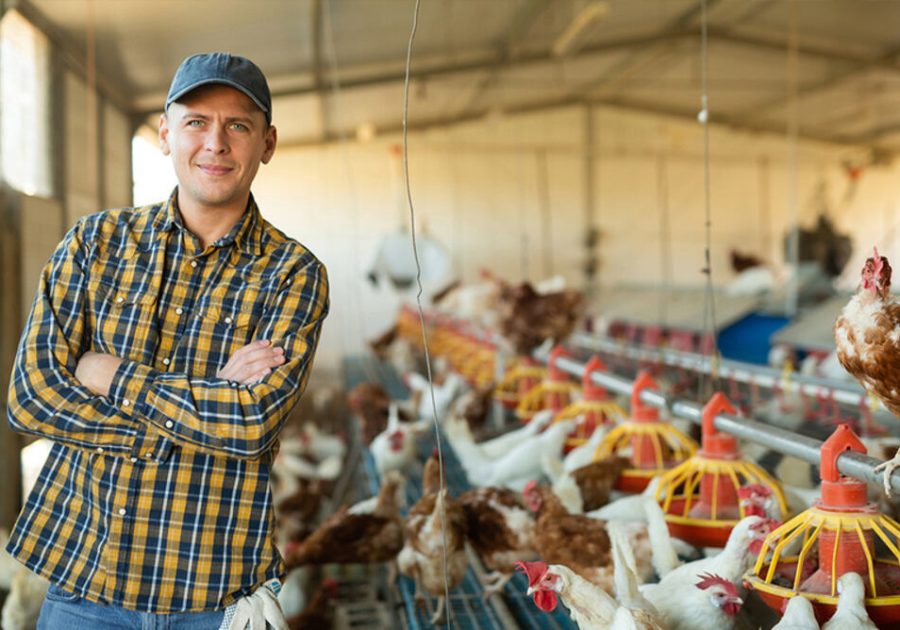
As the poultry industry faces mounting pressure to balance animal welfare with rising operational costs, ABB Drive Products has released a strategic whitepaper designed to help producers modernise one of their most critical assets: ventilation systems.
The new report, titled “From skepticism to strategy: Rethinking poultry ventilation,” directly addresses the historical hesitancy meat professionals have felt toward variable speed drive (VSD) technology.
While some producers have previously questioned the reliability of digital fan control in harsh farm environments, ABB’s research suggests that the cost of inaction is now higher than the cost of transition.
For poultry producers, the margins are often found in the environmental consistency of the barn. Inconsistent airflow and equipment strain do more than just waste energy; they directly impact bird performance.
ABB’s data outlines a clear economic justification for upgrading to digital, dynamic airflow management:
- Layer operations: producers can expect a measurable payback period of 12 to 24 months.
- Broiler farms: payback is typically achieved within 18 to 30 months.
“Ventilation is a cornerstone of both animal welfare and a farm’s profitability,” said Lei Gommers, global business development manager for agriculture drives at ABB. “Chickens are sensitive animals that require stable temperatures and high-quality air to lay and grow at the performance levels farmers expect.”
The whitepaper highlights how modern drives, such as the ABB ACS280 and ACS380, act as the “brain” of the ventilation system. These units integrate with programmable logic controllers (PLCs) to ensure that fan speeds adjust instantly to real-time conditions rather than running at a wasteful, constant 100%.
A standout feature for producers looking to de-risk their energy supply is the ability of these drives to integrate with solar PV systems. According to the report, this can cut grid dependency by 50–55%, significantly insulating farms from fluctuating energy prices without compromising the precision of climate control.
The findings are backed by large-scale field data, including multi-site installations at MPS Egg Farms. These case studies demonstrate that replacing traditional on/off staging with VSD technology reduces mechanical wear on belts and motors, leading to greater “peace of mind” for maintenance teams.
By moving from a “skeptical” stance to a “strategic” one, ABB argues that meat professionals can achieve a rare “triple-win”: healthier flocks, lower carbon emissions, and a more resilient bottom line.
Producers and system integrators can download the full whitepaper at ABB’s official campaign site.