Tetra Pak study: modernising existing lines slashes emissions by 49%
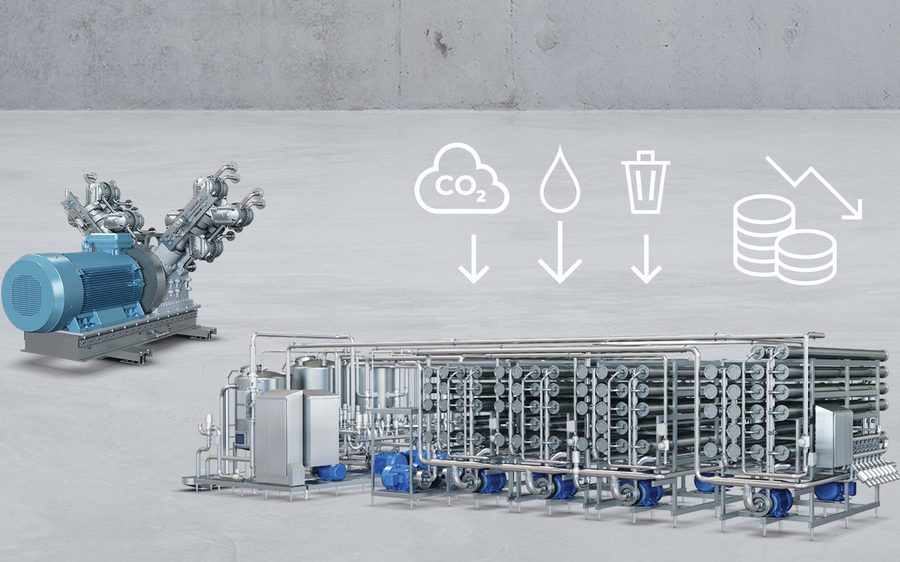
Dairy processors can achieve near-halved greenhouse gas emissions without the need for a full-line overhaul, according to a new impact assessment released by Tetra Pak.
The study reveals that modernising existing dairy processing equipment can reduce emissions by 40-49%, depending on the line type, using solutions already available on the market.
The Dairy Processing Impact Assessment, which was independently reviewed by the Carbon Trust, highlights a massive opportunity for a sector that was responsible for 2.7% of global greenhouse gas emissions in 2023. By focusing on optimisation rather than replacement, producers can strengthen environmental performance while simultaneously reducing product losses and operating costs.
The efficiency triple-threat
The research indicates that the benefits of modernisation extend far beyond carbon footprints. On average, upgraded lines deliver:
- 47% reduction in greenhouse gas emissions.
- 45% reduction in water use.
- 57% reduction in product losses.
If these upgrades were implemented globally, the potential carbon savings could reach 12.7 MtCO₂e — the equivalent of taking three million cars off the road. Furthermore, the implementation of advanced filtration and cleaning in place (CIP) recovery systems could save up to 455 million m³ of water annually.
Practical pathways to decarbonisation
The study emphasises that these gains are achievable through targeted, “market-available” upgrades. Key technologies identified include:
- Electrically powered heat pumps: replacing fossil fuel-based boilers to lower fuel consumption.
- OneStep technology: combining multiple process steps for UHT milk and yogurt into a single concept to save electricity and steam.
- Filtration and recovery stations: capturing water and product loss from process and cleaning streams.
Rodrigo Godoi, vice president, processing portfolio management at Tetra Pak, noted the operational advantages for producers: “Our study shows that practical improvements to existing lines can reduce energy, water, and product loss, helping customers strengthen performance and lower total cost of ownership without major disruption.”
He added that with the right “policy frameworks and access to targeted financial incentives,” these improvements could be scaled to help producers overcome initial investment barriers.
The evidence for change
The move toward modernisation is being framed as an “immediate pathway” to resilience. By quantifying “avoided emissions” — the emissions saved by choosing a more efficient solution over a standard one—the industry now has a clear evidence base for investment.
Veronika Thieme, associate director Europe at the Carbon Trust, commented: “Our food systems offer significant decarbonisation opportunities. Assessing avoided emissions is a powerful way to understand the carbon savings these solutions can deliver. By quantifying the avoided emissions from new solutions… we create the evidence base needed to scale them.”
Topics
CIP cleaning-in-place dairy processing filtration fuel consumption greenhouse gas emissions heat pumps water consumption
PeopleOrganisations