
AI & digitalisation: from concept to commercialisation
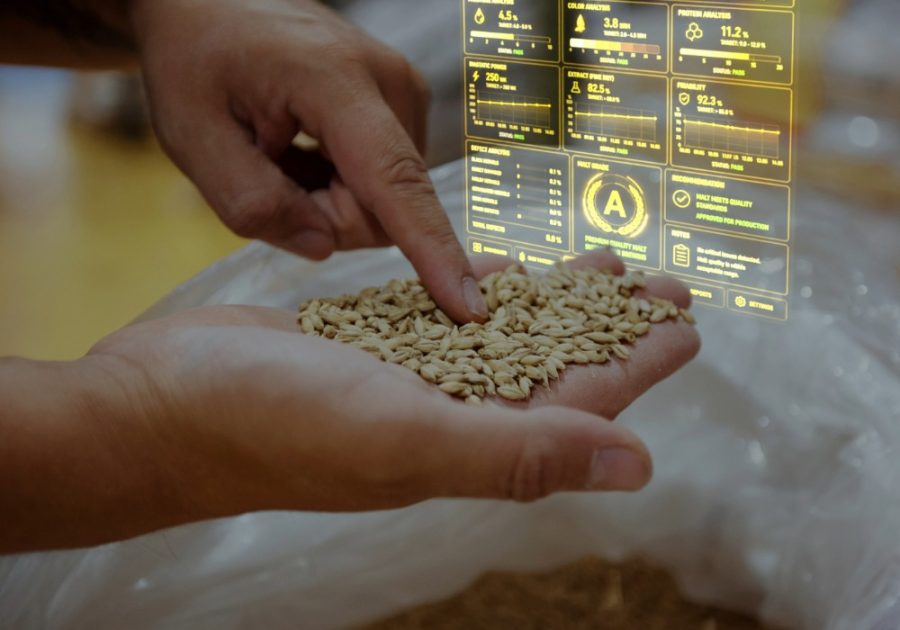
Digital technologies are reshaping how food and drink manufacturers develop products, manage compliance and accelerate innovation.

Rob Sinclair, CEO of Point74.
Speaking to Food & Drink Technology, Rob Sinclair, CEO of Point74, explains how artificial intelligence, lifecycle management software and connected data are helping manufacturers respond to growing commercial and regulatory pressures while fundamentally changing the way products move from concept to commercial launch
Food and drink manufacturers have been talking about digital transformation for years, but the sector is now entering a more decisive phase. Adoption is accelerating, yet progress remains uneven — and the gap between digital leaders and laggards is widening.
Rob Sinclair, CEO of Point74, says the industry has moved “well past the early adoption phase”, but stresses that the real opportunity is still ahead. He points to the Food and Drink Federation’s Future Factory report, noting that “three‑quarters of food and drink business leaders already recognise the benefits of digital and AI investment, yet the sector is sitting on an estimated £7–14bn untapped growth opportunity.”
For Sinclair, the next wave of transformation will come from connecting data, not simply digitising isolated tasks. “Product development, compliance, and commercial teams often work from separate tools and software, and the real gains come when that data is joined up. This gives manufacturers a single, accurate picture of a product, from concept through to shelf.”
That shift — from fragmented systems to unified product lifecycle management — is becoming the defining characteristic of modernisation across the sector.
Rising pressures
Manufacturers are not digitising for abstract strategic reasons; they are doing so because the pressures on product development have intensified.
“At Point74, we’re witnessing how a combination of regulatory complexity, retailer demands, and commercial pressure are driving manufacturers towards digitisation,” Sinclair explains.
Labelling and compliance requirements have grown more detailed. Retailers now expect richer, more structured data at the submission stage. And despite inflationary pressures and supply chain volatility, speed‑to‑market expectations remain as aggressive as ever.
But the biggest drag on progress is still disconnected data. Sinclair says “many of the professionals we work with say it is one of the biggest barriers to faster product development. That’s exactly the gap digitisation is meant to close.”
AI enters the development pipeline
Artificial intelligence is no longer theoretical in food and drink manufacturing. It is already embedded in workflows, and its influence is expanding across the product lifecycle.
“AI integration is the perfect example of this,” Sinclair says. “It is starting to touch almost every stage of the development process, though its role changes as a product moves through the pipeline.”
At the concept stage, AI can scan market, ingredient and consumer data at a scale no human team could match. “It can help identify ingredient and format opportunities faster by drawing on wider data than a single team could review manually.”
Further along the process, AI becomes a decision‑support engine. “AI can support formulation screening, flag potential compliance issues earlier, and help teams model how a change to one ingredient might affect cost, nutrition, or labelling.”
Crucially, Sinclair emphasises that AI is not replacing technical expertise. “It’s not replacing the expertise of technical and regulatory teams, but it is giving them more information much quicker.”
Faster development through better decisions
There is a persistent misconception that AI speeds up product development by automating tasks. Sinclair argues the opposite: the speed comes from avoiding mistakes.
“In our experience, it’s primarily about improving decision‑making, and faster development follows as a result,” he says. “AI is good at surfacing relevant information quickly, whether that’s flagging a potential allergen conflict or highlighting a compliance requirement that might otherwise be missed until later in the process.”
The result is fewer reformulations, fewer resubmissions, and fewer late‑stage surprises. “That’s where the genuine speed‑to‑market benefit comes from, ensuring fewer costly detours rather than the process itself simply moving faster.”
Where AI will have the biggest impact next
Sinclair sees the most immediate gains in compliance and ingredient management — areas built on structured data, specifications and regulatory thresholds.
“Compliance and ingredient management are likely to see the most immediate impact,” he says, noting that AI is well suited to interpreting rules and documentation consistently.
He points to Gartner’s 2025 Market Guide for PLM in Food and Beverage Industries, which highlights AI’s growing role in “turning unstructured supplier documentation into usable data, generating food safety and fraud risk assessments, and helping ideate new recipes and packaging concepts from market and performance data.”
Formulation will benefit too, but Sinclair expects human judgement to remain central. “Taste, texture, and consumer appeal still rely heavily on human judgement, so we’d expect AI’s role there to remain more of a support tool, at least in the interim.”
Connected workflows
The rise of product lifecycle management (PLM) software reflects a broader shift: manufacturers want unified, real‑time product data.
“Traditionally, technical, regulatory, and commercial teams have often worked from their own versions of a product’s data,” Sinclair says. “A joined‑up workflow gives every team access to the same live product information.”
This eliminates version‑control issues, reduces delays, and cuts errors caused by outdated spreadsheets. “Shared visibility means fewer delays waiting for information from another department, fewer errors caused by outdated data, and a much smoother path from concept to launch.”
The inefficiencies that still hold back manufacturers
Despite progress, many manufacturers remain stuck in manual, fragmented processes.
“Duplicated effort is one of the most common inefficiencies,” Sinclair says. “We still see teams re‑entering the same ingredient or supplier data into multiple spreadsheets or systems, which introduces errors and wastes time.”
He adds that “a lot of the industry is still reliant on manual checks rather than integrated systems,” particularly in compliance and new product development workflows.
Compliance moves centre‑stage
Point74’s recent acquisition of Quor Systems is a strategic signal about where the industry is heading.
“Our acquisition of Quor Systems highlights how compliance can no longer be treated as a separate function bolted onto the end of product development,” Sinclair explains. “It needs to be built into the process from the outset.”
By combining Quor’s supply chain compliance and factory quality management capabilities with Point74’s lifecycle management platform, manufacturers gain “a single, end‑to‑end view of a product, from formulation through to the factory floor.”
“It’s a clear signal that compliance and product development are converging,” Sinclair says, “and that manufacturers increasingly want one connected system rather than several separate tools that don’t talk to each other.”
Staying compliant while innovating faster
As regulations evolve, digital platforms give manufacturers the agility they need.
“Digital platforms make it possible to update requirements centrally and have that change reflected consistently across every relevant product and project,” Sinclair says.
This prevents compliance from becoming a bottleneck. “Teams can keep pace with regulatory change while still moving quickly on new product development, because the system is keeping records accurate and audit‑ready.”
Reformulation, transparency and continuous improvement
Point74’s software gives the company a unique vantage point across the sector. Sinclair says several trends are emerging:
“We’re seeing manufacturers put more emphasis on reformulation, whether that’s for health, sustainability, or cost reasons. Products are being revisited and adjusted more frequently than in the past.”
Transparency is also rising. “More manufacturers want greater ingredient and supplier transparency built into their systems from the start, which suggests compliance and traceability becoming as central to product development as taste and cost.”
Where manufacturers should begin
For businesses unsure how to start their digitalisation journey, Sinclair’s advice is simple: don’t go it alone.
“Approach a technology partner early, rather than trying to work it all out internally first,” he says. “Every manufacturer’s starting point looks different, and speaking to an experienced partner will help identify where the pitfalls in your current process actually are.”
With many manufacturers juggling disconnected tools, Sinclair argues that “speaking to a software provider which offers full end‑to‑end product lifecycle management under one roof can pay dividends.”
Looking ahead to 2030
By the end of the decade, Sinclair expects digitalisation to be fully embedded.
“By 2030, we’d expect connected, real‑time product data to be the norm rather than the exception,” he says. Technical, regulatory and commercial teams will work from shared live information, not email trails.
“AI‑assisted formulation and compliance checking will likely be built into everyday workflows,” Sinclair adds, helping teams make faster, better‑informed decisions.
And the divide between digital leaders and laggards will widen. “For those manufacturers who have already invested in integrated, all‑encompassing lifecycle management platforms, they’re already seeing the benefits. The ones who haven’t are already playing catch up.”
Topics
AI compliance data digitisation lifecycle management software Point74 reformulation
PeopleOrganisations