Prunes pull their weight
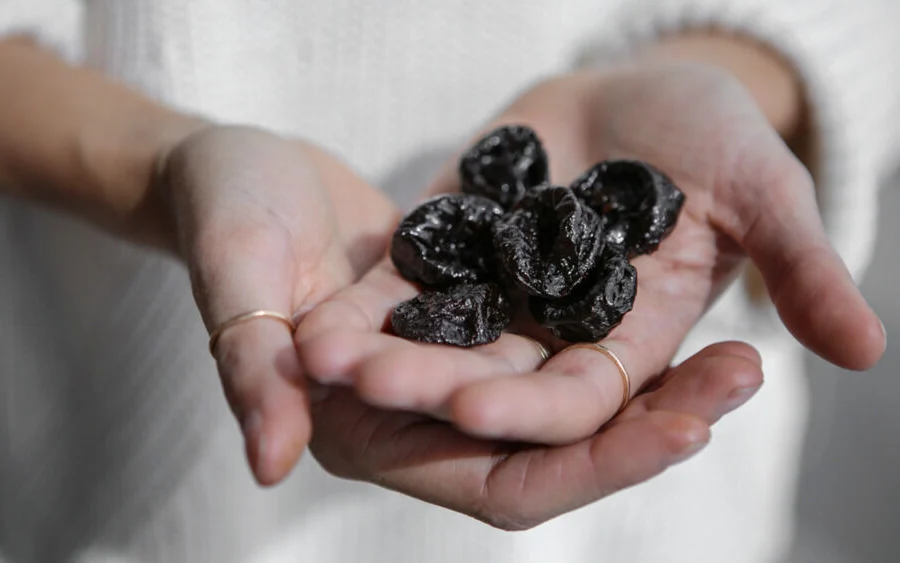
The California Prune Board was established in 1980 to represent growers and handlers under the authority of the California Secretary of Food and Agriculture. California is the world’s largest producer of premium prunes with orchards across the Sacramento and San Joaquin valleys. Promoting a lifetime of wellness through the enjoyment of California Prunes, the organization leads the premium prune category with generations of craftsmanship supported by California’s leading food safety and sustainability standards.
With ultra-processed food still high on UK consumers’ list of worries and tariffs on US-origin prunes suspended until December 2028, the California Prune Board is making the case that prunes and prune ingredients can do far more in a formulation than add sweetness.
A clean-label moment
The latest Consumer Insights Tracker from the Food Standards Agency shows that ultra-processed food (UPF) and the quality of food remain among the top concerns for UK consumers, alongside food prices. Some 77% of consumers in England, Wales and Northern Ireland are concerned by UPF, and demand is growing for more recognisable ingredient lists.
Retailers are responding. Tesco is restricting the use of more than 100 additives across its own brand products, part of a wider retail focus on food formulation and ingredient transparency.
Against that backdrop, the California Prune Board is highlighting the natural functionality of California Prunes and prune ingredients, including purée, juice and concentrate, across a range of food formulations.
Tariff-free, until 2028
The timing is helped by the extension of the tariff suspension on US-origin prunes, prune juice and prune juice concentrate. Zero tariffs are now in place until December 2028, maintaining tariff-free access for UK manufacturers to a premium ingredient available in multiple formats for product development and reformulation.
One ingredient, many jobs
The Board’s pitch centres on prunes combining natural sweetness, fibre and versatility with functional properties including moisture retention, partial fat replacement and shelf-life benefits. These give manufacturers opportunities to reformulate existing products or develop new ones.
Esther Ritson-Elliott, vice president, International Market Development for the California Prune Board, explains the science: “Prunes naturally contain high levels of fibre, sorbitol and malic acid. These characteristics allow them to perform several functions in food formulations, including partial fat replacement, helping to inhibit mould development, adding humectancy and extending shelf life.”
She adds: “For manufacturers, this creates opportunities for innovation, particularly where there is a desire to achieve multiple formulation benefits from a single and natural ingredient.”
Nutrition without the added sugar
Prunes also bring a nutritional profile to the label. California Prunes are high in fibre, vitamin K and potassium, and are a source of manganese, vitamin B6 and copper. They contain only naturally occurring sugars, with no added sugar.
In bakery, prunes can be used as a partial replacement for fat, while their natural sweetness can help reduce reliance on added sugars. They can also be incorporated across both sweet and savoury applications. Being shelf-stable offers a further benefit for manufacturers and foodservice operators looking to maximise ingredient value and minimise waste.
Ritson-Elliott says this makes prunes “particularly interesting for manufacturers looking to simplify formulations or make greater use of naturally derived ingredients without sacrificing product quality or eating experience.”
A global culinary footprint
Exported to 80 countries, California Prunes are used as a snack and in sweet and savoury dishes worldwide. In Japan, students at Murakawa Gakuen Culinary Institute use them in their creations, while chef Shogo Wada of Blanc a la Maison has used them in an Ezo venison burger and a cream doughnut. In Vietnam, Hanoi’s Thủy Tạ Gourmet & Café created a prune gelato and prune-infused tea for a month-long promotion.
In Italy, master chocolatier and California Prunes ambassador Stefano Collomb pairs the fruit with white and dark chocolate at his La Thuile shop, Chocolat, using its natural sweetness and gentle acidity to balance the richness of chocolate.
Working harder
For UK manufacturers weighing reformulation, the appeal lies in consolidation. With UPF concerns persistent and retailers tightening additive lists, an ingredient that can contribute sweetness, fibre, moisture retention, partial fat replacement and shelf-life support at once offers a route to shorter, more recognisable ingredient lists. The extended tariff suspension removes a cost barrier to that route until December 2028.
As Ritson-Elliott puts it: “Manufacturers are increasingly looking for ingredients that can work harder within a formulation.”