Dairy, diets and sustainability: finding balance in the debate

Image: AdobeStock 603618927
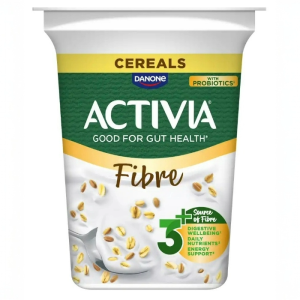
The role of dairy in modern diets continues to spark debate, with two recent reports offering contrasting perspectives on its nutritional and environmental impact.
On one side, the Agriculture and Horticulture Development Board (AHDB) has published an independent review confirming dairy’s vital contribution to UK diets and sustainability goals. On the other, the EAT‑Lancet Commission’s Planetary Health Diet calls for a global shift toward plant‑rich eating patterns, with reduced reliance on animal‑sourced foods.
Dairy as a nutritional cornerstone
The AHDB review highlights dairy’s role as an affordable, accessible source of calcium, iodine, and high‑quality protein. It stresses that dairy should be considered as whole foods, not just a collection of nutrients, and points to its importance across all life stages — from childhood growth to maintaining bone and muscle health in older age. For vulnerable groups, dairy remains a safeguard against protein and micronutrient deficiencies.
From a sustainability perspective, the report notes that UK dairy farming is among the most efficient globally, with emissions intensity down 22% since 1990. Well‑managed livestock systems, it argues, can deliver environmental benefits such as carbon storage, habitat management, and improved soil health — aligning with national net zero ambitions.
The EAT‑Lancet perspective
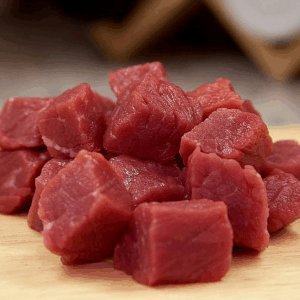
By contrast, the EAT‑Lancet Commission frames dairy within a broader call for dietary transformation. Its Planetary Health Diet emphasises plant‑based diversity, recommending limited intake of animal‑sourced foods to reduce environmental pressures and improve global health outcomes.
While acknowledging dairy’s nutrient density, the report warns that high levels of animal food consumption contribute to greenhouse gas emissions, land use challenges, and biodiversity loss.
The Commission stresses that sustainable diets must be culturally adaptable, affordable, and nutritionally adequate. It cautions that significant reductions in animal‑sourced foods must be carefully managed to avoid worsening nutrient deficiencies, particularly in vulnerable populations.
Towards a balanced approach
Taken together, these reports highlight the complexity of designing diets that are both healthy and sustainable. For the UK, the challenge is not whether dairy belongs in the future of food, but how it fits. The Eatwell Guide already recommends dairy and fortified alternatives as part of a balanced, plant‑rich diet. Yet adherence remains strikingly low, with fewer than 0.1% of consumers following the guidelines.
For food and drink professionals, the takeaway is clear: dairy can be part of the solution, provided it is produced sustainably and consumed within balanced dietary patterns. The path forward lies in integration — valuing dairy’s nutritional role while embracing innovation and efficiency to meet environmental goals.
Reading these reports side by side, I’m struck by how often debates about food become framed in absolutes — either dairy is essential or it must be reduced. In reality, the truth lies somewhere in between. Dairy clearly delivers vital nutrients, especially for groups at risk of deficiencies, but the sector must continue to innovate to meet sustainability expectations.
What is possible is the opportunity for collaboration: nutritionists, farmers, policymakers, and consumers working together to shape diets that are both nourishing and climate‑conscious. It’s not about choosing sides, but about building a food system that balances health with responsibility.
- Rodney Jack, editor, Food & Drink Technology. Keep in touch via email: [email protected] Twitter: @foodanddrinktec or LinkedIn: Food & Drink Technology magazine.