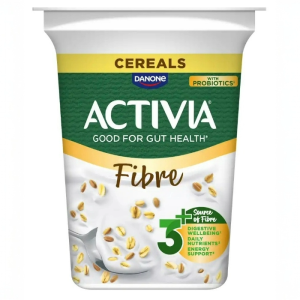
Fibre to the people

Sainsbury’s new “Full on Fibre” push will put fibre front and centre of more than 500 products, creating clear retail demand for high‑fibre ingredients and reformulated SKUs — producers should expect opportunities in oats, pulses, fruit, veg, bakery and ready‑meal lines.
Why Sainsbury’s is doubling down on fibre and what it means for suppliers
Sainsbury’s has announced a major health drive that will add Full on Fibre labelling to over 500 products and set an ambition to add thousands of tonnes of fibre and millions more portions of fruit and veg to UK diets by 2030. This is a retailer‑level nudge designed to simplify healthy choices for shoppers and make fibre an explicit buying cue — not just a back‑of‑pack nutrient.
The retailer’s research shows a knowledge gap: while three‑quarters of people say they understand fibre, only around 52% recognise fruit and 58% recognise pulses as fibre sources. That confusion is exactly what the Full on Fibre label aims to fix, making it easier for shoppers to spot fibre‑rich staples such as oats, beans and broccoli.
“Healthy eating shouldn’t feel difficult or complex… We’re aiming to take away the complexity so good food becomes simple for everyone,” Sainsbury’s chief executive Simon Roberts says, signalling the retailer’s intent to make fibre a front‑of‑store message.
Practical implications for food and drink producers
1. Reformulation and ingredient demand. Expect stronger demand for high‑fibre ingredients — oats, wholegrains, pulses, legumes, fruit inclusions, seeds and fibre‑rich fibres (inulin, resistant starches). Retailer labelling programmes typically favour products that can be clearly signposted.
2. NPD opportunities in mainstream and value tiers. Sainsbury’s pairs the labelling rollout with affordability measures and price promotions (for example, discounts on cherries, fine beans and oranges), so there’s scope for both premium and value high‑fibre launches.
3. On‑pack and marketing alignment. Clear, retailer‑driven claims will raise the bar for transparent fibre messaging. Suppliers should prepare compliant on‑pack copy, portion‑based fibre claims and supporting nutrition data to speed listing approvals.
Anna Taylor of The Food Foundation welcomed the focus on fibre and seasonal British produce, underlining that retailer leadership can shift category sales and public health outcomes.
The bottom line is that fibre is becoming a commercial priority — producers who act fast on reformulation, ingredient sourcing and compliant messaging will be best placed to capture the uplift.
- Rodney Jack, editor, Food & Drink Technology. Keep in touch via email: [email protected] X: @foodanddrinktec or LinkedIn: Food & Drink Technology magazine.
TopicsPeopleOrganisations