Ensuring gas safety in the food and drink industry: key challenges and solutions
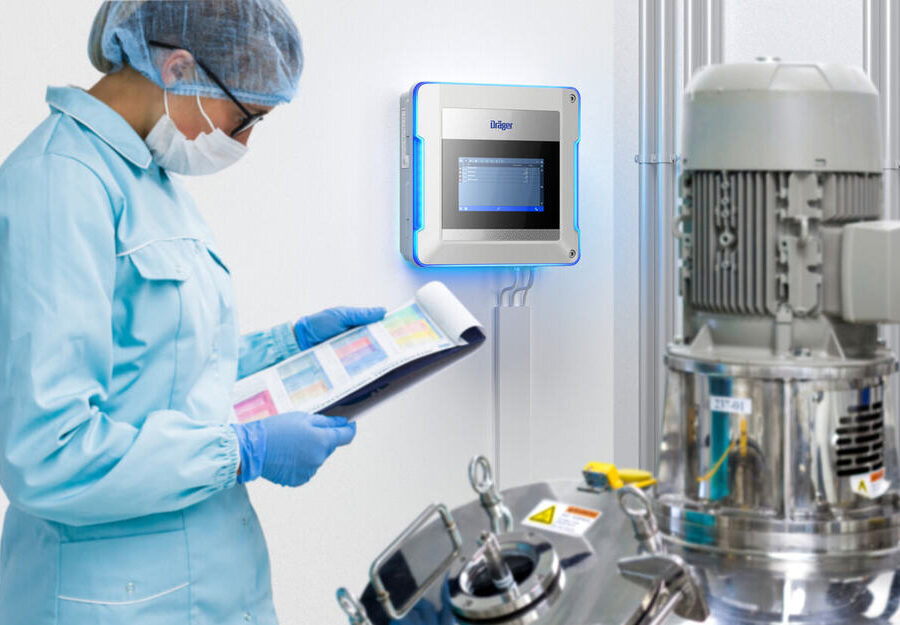
Gas safety is an issue which is relevant in many industries, and one which can present challenges in the food and drink sector, from the use of ammonia in food refrigeration systems to the presence of carbon dioxide in drinks manufacturing.
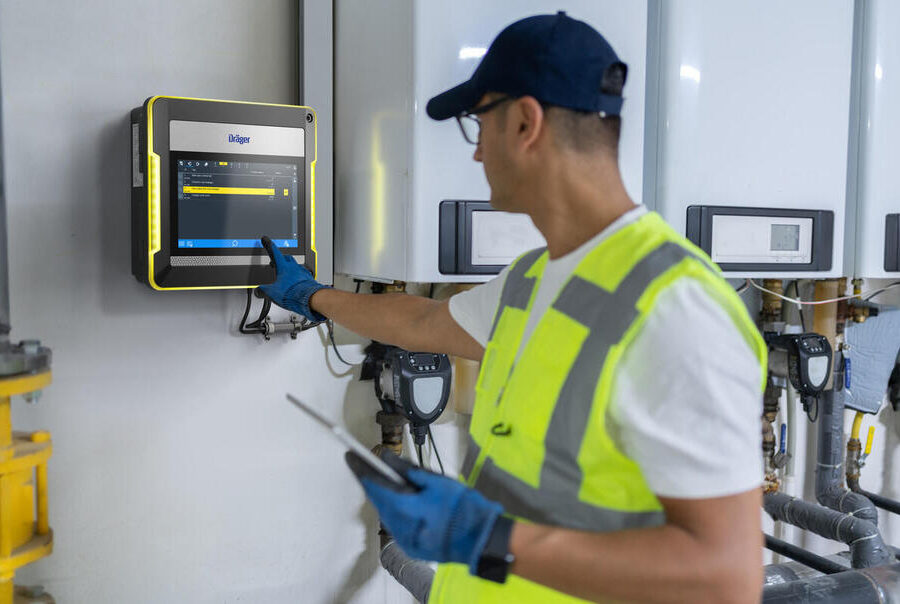 The variety of gases in use across the industry, all of which have their own individual characteristics, properties and different applications, combined with the potential high-risk nature of the hazards involved, can make gas safety seem a challenging area. Add in further complexities as a result of regularly evolving legislation and advice, and it can be hard to know the best approach to take to ensure the safety of workers, and more broadly, of the plant as a whole.
Furthermore, the issue is brought into particularly sharp focus in smaller and lower complexity settings, common in the manufacture of food and drink.
In such settings, health and safety knowledge (and resources) may be more limited, and the ability to work in partnership with an experienced firm can be particularly valuable.
Example one: ethanol in distilleries
The presence of ethanol, a key component in the production of spirits such as whisky and gin, presents several safety hazards in distillery settings. Concerns primarily relate to its flammability, as well as the explosive potential of ethanol vapour.
In environments where distilleries may also have visitor centres on the same site, or offer public tours, this presents particular problems, as significant control measures would need to be taken to avoid any risk of explosion. Such measures would need to include no mobile phones and the wearing of anti-static shoes in the facility, both of which are not ideal.
A British gin distillery faced this challenge when opening its new visitor centre at its historic buildings in the South of England. Through a pragmatic approach to gas detection and monitoring, it opted to install approximately 12 fixed gas detection and monitoring devices in its distilling hall, which connected to a single panel interface.
Erring on the side of caution, the company set the devices to trigger audible and visual alarms upon detection of just 20% of the lower explosive limit (LEL) being reached. This meant that at the very first signs of the unusual accumulation of ethanol vapours around the copper pot stills, staff would be warned, providing plenty of time for action to be taken and members of the public evacuated from the area. At the same time, the levels were such that false alarms would not constantly be triggered, which is a risk given that ethanol will always be present in the distillery.
Example two: the use of ammonia in food refrigeration
Ammonia is commonly used in food refrigeration systems and is therefore often employed in small independent food facilities.
Whilst its pungent odour is distinctive and unmistakable, its dangers are significant: In lower concentrations, inhalation can lead to irritation of the eyes, nose, and throat, and prolonged exposure can result in severe respiratory complications, and can even be fatal. Another, often overlooked, danger is its explosive nature when present in higher volumes.
As a result, an accidental release of ammonia can not only pose immediate health risks but can also lead to explosive incidents if not promptly monitored and managed.
In such settings, correctly positioning gas detectors and audio-visual alarms, particularly in critical areas, is essential for reliably monitoring ammonia and ensuring the protection of both employees and assets.
Although each facility is different, and likely to have unique requirements, with the right knowledge and advice, the solution itself need not be overly complicated. A well-designed gas safety detection system, tailored to the site’s specific needs following a survey, will be effective in monitoring for any leaks, providing a complete solution.
Once installed, the system can be fully tested by the equipment provider and set up to trigger alarms for both gas concentrations above defined exposure limits, and also explosive potential, ensuring that timely action can be taken, whether that is an emergency evacuation, automated ventilation, or a shutdown.
If regular service and maintenance schedules are up to date (something that any good gas safety partner will be able to advise on), such a solution can be left to operate in the background.
There are a range of considerations when it comes to addressing gas safety in lower complexity food and drink settings, but usually a well-chosen gas detection system supported by good advice from a knowledgeable provider will provide sufficient functionality to address most common gas safety issues for operators in the food and drink industry.
As with many areas of site operations, it helps to ensure any company with which you are considering working has a good working knowledge of the food and drink sector, and ideally, experience of the specific type of operation that you are operating. Additionally, ensure the company has strong engineering, installation and service and maintenance capabilities to support you through the process and look after your gas detection and monitoring system longer-term.
The quality of gas detection systems varies, and it’s important to ask, for example, how long consumable parts such as sensors or batteries for devices would be expected to last – there can be significant differences in the lifespan of such parts, and the frequency with which they may need to be replaced can make a significant difference to the total cost of ownership, and can be the difference between good and poor value in the long term.
Gas safety is an issue that is attracting growing focus, not least with the increased use of new and more environmentally sustainable practices and materials. Obtaining good advice from trusted partners is an effective way to efficiently address gas safety concerns in the food and drink sector, from settings which are small and simple through to the sophisticated and complex, ensuring peace of mind for all concerned.