Analysis: how European beverage trends are reshaping the market

The European out-of-home (OOH) beverage market is currently valued at an estimated €157 billion, with 50 billion servings consumed annually. However, beneath the surface of this stable market lies a quiet revolution fuelled by consumer behaviour and new product innovation.
This summer, a shift away from traditional choices toward functional, low-alcohol, and visually appealing beverages is driving significant change across restaurants, cafés, and retail.
The rise of the sober summer
A major trend is the widespread move toward moderation. Alcohol consumption is down, with a -6% drop in European foodservice outlets and a -1.7% decrease in retail volume sales over the past year. This decline, however, has not slowed the market; instead, it has fuelled the growth of non-alcoholic alternatives.
Retail sales for non-alcoholic beverages are up 5.5% on the previous year, with a volume increase of 2.3%. This shift highlights a new consumer mindset: smart drinking is replacing traditional consumption habits.
Non-alcoholic options are no longer afterthoughts, with 55% of Europeans now expecting bars to always serve non-alcoholic beer.
Ready-to-drink (RTD) spirits are the only alcoholic category to see growth, with a 6.5% increase in value, as they deliver big flavour with less alcohol.
Functional drinks and the power of visuals
Today’s consumers are looking for more than just thirst-quenching. They are seeking beverages that provide a functional benefit, whether it’s boosting focus, calming nerves, or aiding digestion.
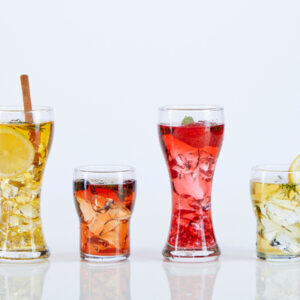
Younger European consumers, particularly those between 18 and 34, are driving a boom in drinks that are not only beneficial but also visually appealing and “Instagrammable,” with trends like ube lattes and matcha iced teas.
As Edurne Uranga, VP of foodservice Europe at Circana notes, “drinks have become a reflection of identity—refreshing, purposeful, and highly Instagrammable”.
This trend is also evident in the energy drinks category. Despite having the lowest overall reach, energy drinks are the fastest-growing beverage type in restaurants and bars, with a 9% year-on-year increase in servings. The market is evolving to offer “clean energy” blends with natural caffeine and zero sugar, appealing to a broader audience beyond gamers and gymgoers.
Innovation and blurring boundaries
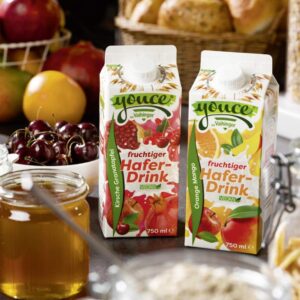
Innovation is a key driver for consumer trial, with 30% of Europeans citing it as the main reason they try a new brand. This has led to the development of new flavors, formats, and added benefits. The trend is also blurring the lines between beverage categories.
As Ananda Roy, senior vice president of global thought leadership at Circana, points out, soft drink brands are entering traditional alcohol spaces with low- and no-alcohol options, creating new consumption moments and opportunities for growth.
Additionally, the rise of “insperiences” is reshaping the retail landscape. Consumers are bringing out-of-home experiences into their homes with products like at-home cocktail kits and barista-style drinks. These shifts create new opportunities for brands to engage consumers and stand out in a crowded market.