Low & no-alcohol category poised for Sober October surge

The upcoming Sober October — and the year-round trend of mindful drinking — presents a critical moment for beverage manufacturers.
As consumer demand for low- and no-alcohol (Lo-No) options surges, manufacturers must prioritise innovation, quality, and strategic market positioning to secure long-term success.
The market signal is clear: 61% of young adults (18–24) and 68% of 25–34-year-olds plan to reduce or stop drinking. Over half (53%) of UK adults have already consumed Lo-No drinks. For manufacturers, this isn’t a temporary fad; it’s a structural shift demanding immediate investment in R&D and production.
The European Union’s “More Than Only Food & Drink” campaign has expert advice to maximise the opportunity.
1. Accelerate flavour and process innovation
The primary competitive edge in the Lo-No market is taste and quality. As experts emphasise, flavour wins out over initial hype.
Address de-alcoholisation challenges: the wine sector highlights the difficulty of stripping alcohol without sacrificing key volatile flavour compounds. Manufacturers must invest in advanced de-alcoholisation techniques (eg, vacuum distillation, reverse osmosis) that are gentler on the product’s inherent profile.
Invest in raw materials and brewing: for beer, the quality of no-alcohol options is already strong, but continuous improvement is necessary. Explore new hop varieties, specialty malts, and yeast strains that naturally contribute a robust, familiar flavour profile without relying on high ABV.
Focus on ‘authentic’ profiles: in spirits, move beyond simple botanical-infused waters. Develop complex flavour layering that mimics the mouthfeel, burn, and lingering finish of traditional spirits. Look at functional ingredients that can contribute sensory cues (eg, capsaicin for a gentle warmth).
2. Leverage geographical indication and origin
The EU’s “More Than Only Food & Drink” campaign highlights the value of Protected Geographical Indication (PGI) and Protected Designation of Origin (PDO) status.
PGI/PDO for Lo-No: the decision in Tejo, Portugal, to allow Lo-No wines to retain PGI status is a significant regulatory development. Manufacturers must actively work with regulatory bodies and regional associations (like those governing Mosel PDO or Swedish Aquavit PGI) to establish standards and secure the right to use these labels.
Market the origin story: the provenance of ingredients (eg, German brewing expertise, specific regional botanicals) should be central to branding and marketing.
3. Innovate beyond the ‘zero-proof’ space
Growth isn’t limited to 0.0% ABV. Manufacturers should explore and expand offerings in the low-alcohol category.
Develop savoury and low-sugar options: the trend toward savoury flavour profiles in spirits and cocktails (eg, using Amaro, bitters, or Aquavit profiles) aligns with the health-conscious consumer who is also looking to cut sugar. Manufacturers should formulate low-sugar/sugar-free Lo-No products to capture this dual motivation.
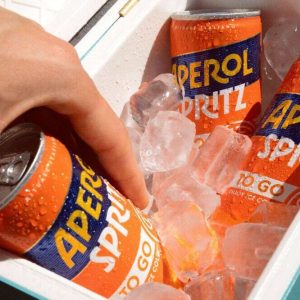
Ready-to-drink (RTD) focus: as mindful drinkers seek convenient, high-quality alternatives, Lo-No RTDs — particularly sophisticated aperitivo-style spritzes — offer a huge market opportunity. Ensure these products are packaged attractively to appeal to the “drink with your eyes” social media culture.
4. Support on-trade adoption and visibility
Manufacturers must proactively assist retailers and hospitality operators in maximising sales.
Provide quality draught solutions: for beer, developing shelf-stable, high-quality Lo-No options suitable for draught pouring is essential. This eliminates the “barrier” of choice for the consumer and normalises the product in a pub setting.
Offer attractive serves: provide the on-trade with clear guidelines, premium mixer suggestions, and unique garnish recommendations. The aesthetics of the final serve — whether a zero-proof cocktail or an alcohol-free spirit with tonic — must look visually appealing to be photographed and shared.
The Lo-No category demands consistent investment and a long-term view. By focusing on uncompromising quality and strategic alignment with global trends and regulatory bodies, manufacturers can transform this sales opportunity into a core, enduring revenue stream.