Sonoco drives Noirmoutier paper shift
Sonoco has partnered with the Coopérative de Sel de Noirmoutier to completely rethink the cooperative’s packaging, supporting a full transition from plastic to high‑paper‑content formats as part of a wider move toward circular, fibre‑based solutions.
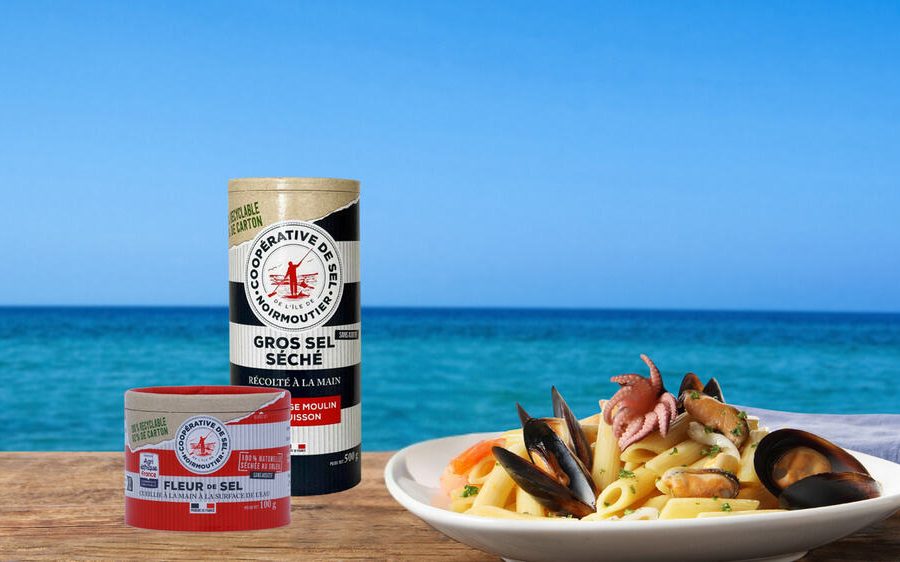
Announced from Hockenheim, the collaboration sees the cooperative’s Agri‑Éthique‑labelled sea salt range move into Sonoco’s GreenCan, a paper‑based canister with an integrated paper lid designed to replace the brand’s previous plastic sprinkler container. The shift aligns the packaging more closely with the values and origins of a product harvested by hand in the Noirmoutier salt marshes for centuries.
For the cooperative, the decision reflects a desire for coherence between the product’s heritage and the materials used to deliver it to consumers.
“Certified Agri-Éthique, our cooperative is committed to responsibility and coherence in every decision we make,” the cooperative explains. “In anticipation of the upcoming PPWR regulation, we wanted to reduce plastic waste by adopting packaging that is more sustainable and genuinely circular. Sonoco’s GreenCan met our sustainability requirements and allowed us to implement this transition with a solution aligned with our values and our long-term vision,” said Joël Piau, cooperative director
The GreenCan format contains up to 98% paper, incorporating renewable and recycled fibres while delivering the barrier protection required for hygroscopic products such as sea salt.
“GreenCan combines high paper content with functional performance for demanding food applications. The packaging contains up to 98% paper and incorporates renewable and recycled fibres, while providing the barrier protection needed to preserve product freshness and quality. For hygroscopic products such as sea salt, this balance between sustainability and protection is critical,” noted Piau.
The cooperative’s Agri‑Éthique certification — France’s first fair‑trade label dedicated to supporting farmers through fair pricing and long‑term partnerships — has long shaped its approach to production. By adopting a fibre‑based packaging solution, the cooperative is extending this philosophy beyond the salt marshes to the entire supply chain.
The move comes amid a rapid industry shift toward fibre‑based formats. Between 2023 and 2025, product launches using paper packaging increased by more than 122%, according to Mintel, as brands across food, personal care and household categories seek alternatives to plastic.
“Several forces are driving this shift. Consumers have a good perception of paper packaging, especially the younger generations of consumers (GenZ), associating paper packaging with environmental benefits, safety and good value for money. Retailers and brands are getting ready for the Packaging and Packaging Waste Regulation (PPWR), prioritising circular packaging formats. Technological progress and innovations such as Sonoco’s Greencan are also expanding the possibilities for fibre-based solutions. Advances in packaging design now enable paper formats to protect sensitive products while maintaining product integrity and shelf appeal,” explained Seàn Cairns, President of Sonoco consumer packaging EMEA/APAC
Cairns says the Noirmoutier initiative demonstrates how origin‑based and heritage food brands can integrate packaging into their sustainability strategies.
“Against this backdrop, the Noirmoutier Cooperative initiative illustrates how heritage food brands can rethink packaging as an integral part of their sustainability strategy — aligning product values, consumer expectations and future regulatory requirements. For Noirmoutier Sea Salt, the transition represents more than a packaging change. It is a way to ensure that a product rooted in one of France’s most iconic coastal landscapes continues to reflect the principles of responsibility and sustainability that have defined it for generations,” said Mr Cairns
Implementing the new packaging required careful evaluation to ensure that sustainability gains did not compromise product protection — a critical factor for sea salt’s sensitivity to humidity.
TopicsPeopleOrganisations