Thermoformable wood‑polymer composite drives Macpac innovation
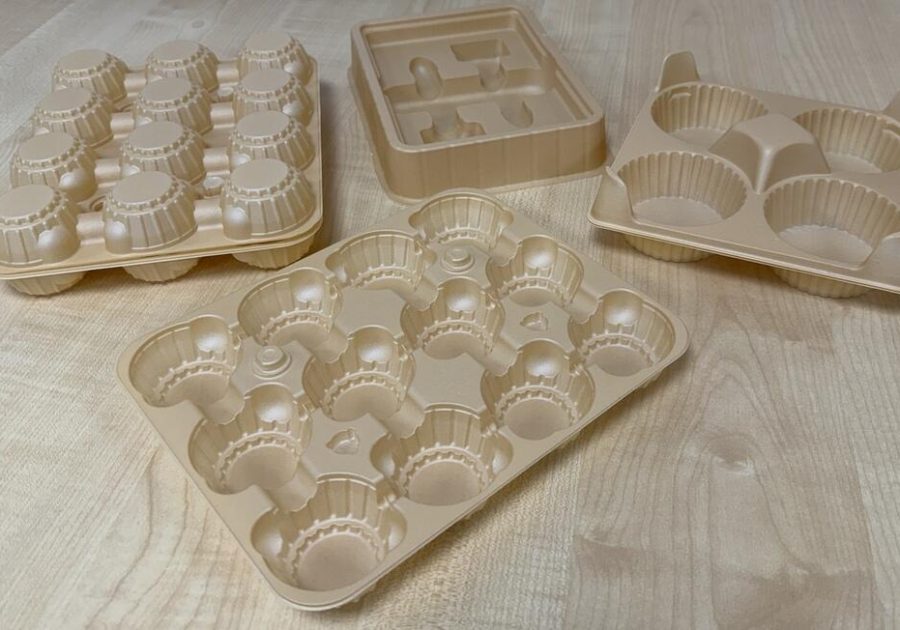
Macpac has adopted Sulapac Flow, a thermoformable wood‑polymer composite that blends plastic‑like performance with a natural premium finish. This shift strengthens its sustainability strategy and supports growing demand for responsible packaging.
Material performance reshapes expectations
Sulapac Flow combines biodegradable biopolymers with wood dust. It forms easily and maintains shape under pressure. Moreover, it resists water collapse and clicks in and out repeatedly. Therefore, it replaces PS, PP and PET in many applications.
The material also supports detailed surface structures. It accepts custom colours. Additionally, it removes the need for post‑processing, which improves efficiency.
Operational benefits support manufacturers
The thermoformable wood‑polymer composite works across broader temperature ranges. It heats faster than plastic. Consequently, manufacturers can reduce energy use by up to 20%.
Faster heating also shortens production time. As a result, the material increases process efficiency and supports consistent output.
Sustainability credentials strengthen market appeal
Sulapac Flow is biobased and industrially compostable. It contains no permanent microplastics. It avoids PFAS and other harmful chemicals. Furthermore, the wood dust comes from sawmill by‑products, reducing environmental impact.
These features align with rising regulatory pressure. They also support brands seeking credible low‑carbon packaging solutions.
Macpac positions itself for long‑term growth
Managing director Graham Kershaw said the material supports Macpac’s sustainability goals. The company aims to help clients meet environmental targets while maintaining product protection.
Macpac already recycles large volumes of rPET. Therefore, adding Sulapac Flow expands its sustainable portfolio and strengthens its global reach.
Applications expand across sectors
The thermoformable wood‑polymer composite suits packaging inserts, logistics trays and point‑of‑sale displays. It also works for single‑use food packaging.