IGD: private label grows 52% faster than brands in Europe
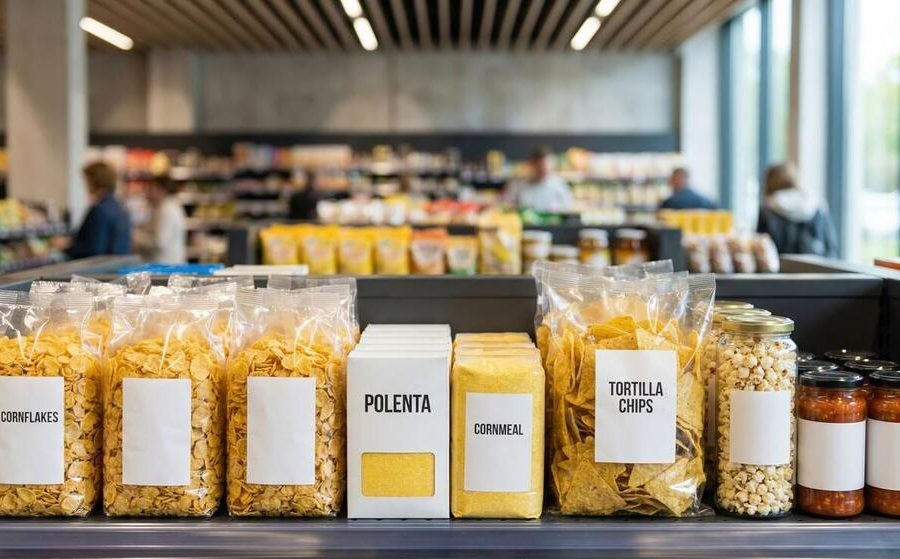
Private label continues to outperform brands across Europe as shoppers increasingly choose retailer-owned products for quality rather than price, according to new research from IGD.
Private label sales grew by 4.1% in value during 2025, compared with 2.7% growth for manufacturer brands. The growth comes as shopper perceptions of private label continue to improve.
Nearly half (47%) of shoppers globally say price is no longer the primary reason they buy private label products, while 52% now believe private label quality is equal to brands.
UK is a private label powerhouse
The UK remains one of the world’s leading private label markets, with retailer-owned products accounting for 44.3% of grocery value sales, compared with a 39% average across Europe.
Only a handful of European markets – including Switzerland, Portugal, Spain and Germany – report higher levels of private label penetration than the UK; however, eight European markets now have private label shares above 40%, demonstrating how deeply embedded retailer-owned products have become in shopping habits.
In the US, private label sales reached a record US$282.8bn in 2025 and grew nearly three times faster than national brands, highlighting the strength of the trend beyond Europe.
Sneha Haria, insight manager at IGD, said: “Our findings show private label has moved beyond its traditional role as a value alternative and is increasingly competing with brands on quality, innovation and relevance. Shoppers are not trading down to private label products; they are actively choosing them over brands, which is why they have become one of the industry’s most important growth drivers.”
Retailers are building brands
IGD says the strongest private label programmes are increasingly being managed like brands. Retailers are investing in product development, packaging, innovation and marketing to create distinctive propositions that shoppers actively seek out and trust.
The report highlights Costco’s Kirkland as the world’s largest private label brand, generating more than US$90bn in sales during 2025. Meanwhile, retailers such as Migros and Lidl have built private label brands that command loyalty through quality, consistency and innovation rather than low prices alone.
Haria continued: “The line between private label and brands continues to blur. The most successful retailers are creating brands that shoppers actively seek out, recommend and trust.”
Health and wellness emerge as the next growth frontier
Looking ahead, IGD identifies health and wellness as one of the biggest opportunities for future private label growth. Retailers are increasingly using their own brands to enter high-growth categories such as protein, functional nutrition, supplements, gut health and broader wellness solutions.
Examples highlighted in the report include Boots’ expansion of its Wellthy range, Carrefour Belgium’s move into private label supplements and growing retailer investment in products that support changing health needs, including consumers using GLP-1 treatments.
IGD believes health will play a critical role in the next phase of private label development because it enables retailers to compete on expertise, trust and innovation rather than price alone. A free sample of the report, ‘Evolution of global private label trends’, is available on the IGD website.