Tunnel oven support matters long after installation
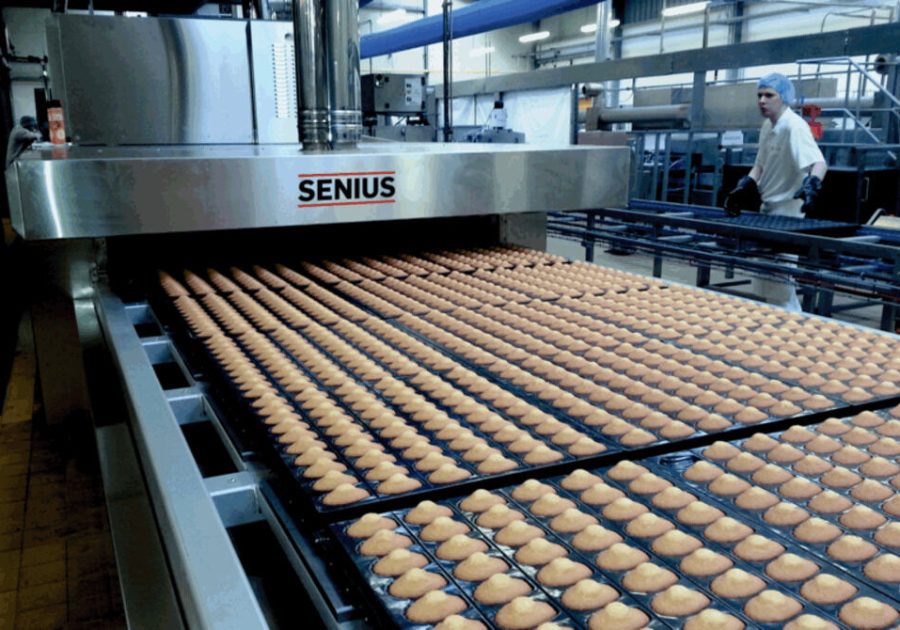
For bakery manufacturers, investing in a tunnel oven is a major capital decision. But the value of that investment is not determined solely by the equipment’s specification or installation. Its performance over the years can depend just as heavily on what happens afterwards.
That was a key message from a recent UK bakery tour undertaken by EPP’s aftercare sales manager Dan Hampson and Senius’ Johnny Anderson. Visiting bakeries across England and Wales, the pair combined annual oven health checks, maintenance activities and training with discussions about production planning, sustainability, future investment and changing operational requirements.
The visits, covering locations including Blackburn, Barnsley, Cardiff, Nottingham and Newark, provided a practical demonstration of the benefits of treating equipment support as a long-term partnership rather than an afterthought.
Protecting the investment
One of the strongest findings from the tour was the longevity of Senius tunnel ovens in operation. Several bakeries were using systems that have been running successfully for more than 30 years.
For manufacturers, that longevity has a direct commercial implication. Extending the useful life of a major production asset can help defer capital expenditure while continuing to provide the capacity and consistency required by the bakery.
But long operating lives do not happen by accident.
Structured servicing, replacement of wear parts, equipment health checks and access to technical expertise can identify potential problems before they become failures. This allows maintenance to be planned around production schedules rather than being dictated by an unexpected breakdown.
As Hampson explains: “The conversations reinforced how important aftercare is to achieve the best performance from an oven throughout its working life.”
Moving from reactive to proactive maintenance
For high-volume bakeries, unplanned downtime can have consequences beyond the immediate cost of repairing equipment. A tunnel oven problem can interrupt production schedules, affect product availability and create knock-on effects elsewhere in the factory.
The tour highlighted the role of proactive maintenance in reducing that exposure.
By scheduling servicing and maintenance during quieter production periods, manufacturers can address developing issues while minimising disruption. Regular health checks can also give operators a clearer picture of equipment condition, helping them plan future maintenance, spare parts requirements and capital investment.
This shifts the approach from “fix it when it fails” to managing the oven as a long-term production asset.
For manufacturers operating around tight margins and increasingly complex production schedules, that distinction is significant.
Combining technical support with operator knowledge
The benefits of the tour also extended beyond physical maintenance.
The visits provided opportunities for EPP and Senius to discuss how bakery operations are changing and what manufacturers will need from their equipment in the future. Sustainability, production planning and investment priorities were among the issues discussed.
That exchange of information can be valuable for both sides. Manufacturers gain access to specialist knowledge about their existing equipment, while suppliers gain a clearer understanding of the pressures facing bakery operations.
Training also forms part of this equation. Ensuring operators understand equipment, maintenance requirements and best practice can help manufacturers make better use of the assets already installed in their factories.
Local support, backed by long-term expertise
The partnership between EPP and Snnius is itself an important part of the proposition. The companies have worked together for more than 50 years, with EPP acting as Senius’ UK partner.
For bakery manufacturers, this combines access to Senius’ tunnel oven technology with local expertise and service support.
Anderson says the relationship remains a key strength: “The tour gave us the opportunity to understand customer priorities and demonstrate that support continues long after an oven leaves the factory.”
That lifecycle approach is increasingly relevant as manufacturers look to extract more value from existing assets. Rather than viewing equipment as a one-off purchase, manufacturers are increasingly having to consider the entire ownership period – from installation and commissioning through maintenance, upgrades, training and eventual replacement.
What manufacturers gain
The EPP and Senius tour demonstrates that long-term equipment support can deliver benefits across several areas of bakery production:
- Greater equipment reliability: regular health checks and servicing can identify issues before they develop into failures.
- Reduced production disruption: planned maintenance can be scheduled around quieter periods rather than following an unexpected breakdown.
- Longer asset life: structured maintenance can help manufacturers continue operating equipment for decades.
- Better maintenance planning: manufacturers gain greater visibility of equipment condition and future requirements.
- Improved operational knowledge: training and technical discussions can help operators get more from installed equipment.
- More informed investment decisions: ongoing supplier engagement can help manufacturers assess whether to maintain, upgrade or eventually replace equipment.
- Local access to expertise: UK-based support provides manufacturers with a direct point of contact for technical and aftercare requirements.
The tour reinforces that the purchase of production equipment should be viewed as the beginning of the relationship, not the end of it.
With energy, labour, raw material and production costs continuing to put pressure on bakery businesses, maximising the performance of existing assets is becoming increasingly important. The ability to keep a tunnel oven operating reliably for decades can represent a significant competitive advantage – but only if manufacturers have the maintenance strategy, technical support and expertise to make that longevity possible.
EPP and Senius plan to continue the initiative in October, when the teams will visit bakeries across Scotland and Ireland. The next phase will provide further opportunities to engage with operators, understand their priorities and demonstrate how long-term technical support can contribute to the performance of bakery production assets.