Regenerative shift reshapes Fyffes’ tropical fruit production
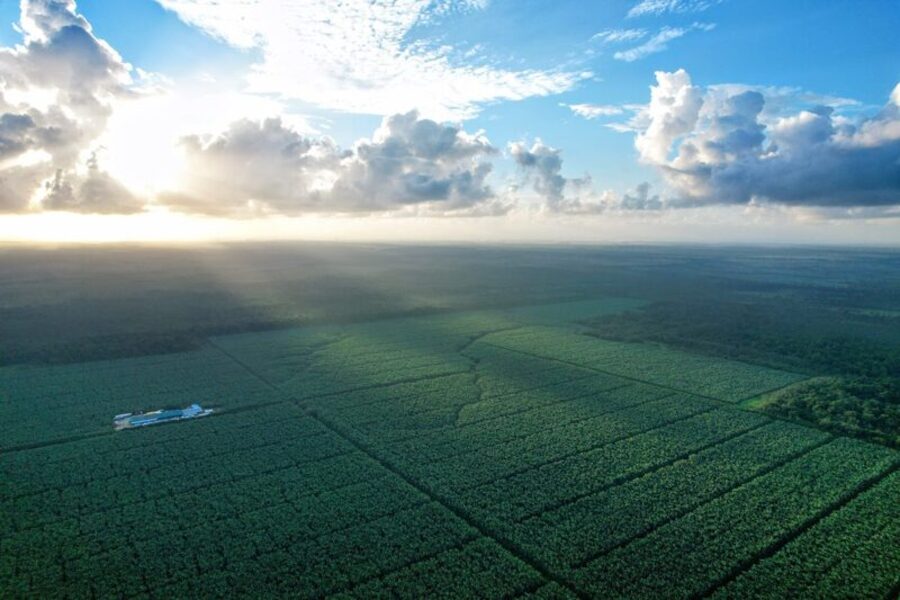
Fyffes’ new Regenerative Agriculture Framework marks one of the most consequential strategic pivots in tropical fruit production in recent years — a move that will reshape how the company grows bananas and pineapples across 13,000 hectares of owned farmland and influence a further 40% of supplier‑sourced fruit by 2035.
Regeneration becomes core to production
Fyffes’ framework positions regenerative agriculture as the operating model for its farms.
The company will fully integrate regenerative practices across all owned banana and pineapple farms by 2030, embedding soil‑first agronomy, biodiversity enhancement, water optimisation and reduced agrochemical dependency into everyday production. This shift is driven by the industry reality that tropical fruit production is increasingly exposed to climate volatility, water stress and extreme weather.
Regenerative systems — with improved soil functionality, higher organic matter and stronger ecosystem health — offer more stable yields and better fruit quality under pressure.
Sheila Morrison, chief supply officer, captures the strategic intent: “The future success of the banana and pineapple industries depends on our ability to build resilience into the farming systems that support them… we are investing in practices that strengthen soil health, improve water management and enhance biodiversity while maintaining productive, profitable farms.”
What it means for Fyffes’ fruit production
The gains for Fyffes include:
- Soil‑led productivity – improved soil structure and organic matter increase water retention, nutrient availability and root stability — critical for bananas, which are highly sensitive to water stress. Fyffes expects more consistent yields and reduced vulnerability to drought and flooding.
- Biodiversity as a resilience tool – introducing cover crops, habitat corridors and diversified planting reduces pest pressure and supports natural ecosystem balance, lowering reliance on chemical inputs and stabilising fruit quality.
- Water stewardship embedded in farm design – optimised irrigation, improved drainage and landscape‑level water management will help farms withstand increasingly erratic rainfall patterns — a major risk factor for both bananas and pineapples.
- Reduced agrochemical dependency – regenerative systems allow for more targeted, minimal chemical use, improving worker safety, reducing input costs and supporting retailer expectations around responsible sourcing.
- MRV system brings measurable transparency – Fyffes’ Measurement, Reporting and Verification system will track outcomes across five impact areas, giving producers and customers quantifiable data on soil health, biodiversity, water use and climate resilience.
Sector mobilisation and supplier integration
Fyffes plans to extend regenerative practices to 40% of supplier fruit volume by 2035, supported by capacity‑building, knowledge transfer and joint projects with customers. This is significant: supplier farms often operate in regions most exposed to climate risk, and regenerative adoption could materially stabilise long‑term fruit availability.
The company is already collaborating with customers on regenerative projects and leveraging Fairtrade premiums to support farm‑level initiatives — a model that could accelerate adoption across the wider tropical fruit sector.
Implications for retail
Fyffes frames regeneration as critical to supply chain security.
Retailers and wholesalers gain more resilient production systems capable of withstanding climate shocks. In addition, there is higher transparency through measurable sustainability data plus reduced long‑term risk of supply disruption as well as alignment with regulatory and consumer expectations on responsible sourcing.
As Morrison notes:“For our customers, this is about more than environmental stewardship. It is about supporting a more resilient and reliable supply chain that can better withstand climate‑related challenges.”
Fyffes’ regenerative agriculture roadmap is a structural transformation of tropical fruit production, not a branding exercise.
It embeds resilience into the core of banana and pineapple farming, sets measurable standards for suppliers, and signals a new era where soil health, biodiversity and climate adaptation become defining metrics of fruit‑sector competitiveness.