Consumers pay more for healthier drinks as alcohol sales decline
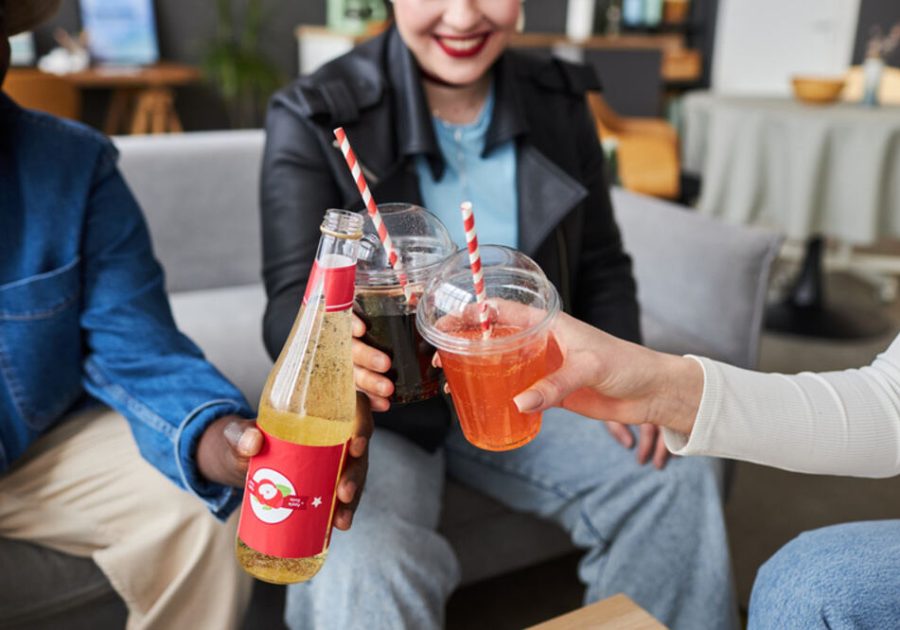
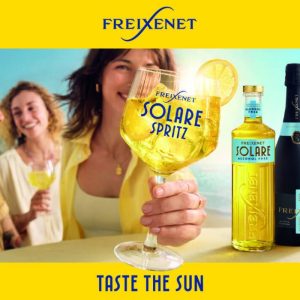
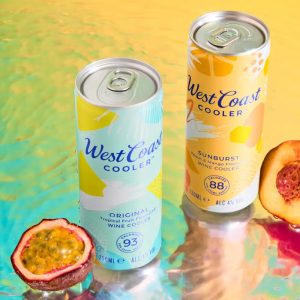
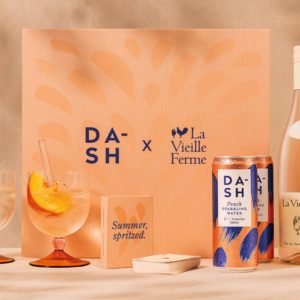
Beverage producers are facing a changing consumer landscape as shoppers cut back on alcohol but spend more on low- and no-alcohol, functional and health-led drinks.
Beverage sales across Europe’s six biggest grocery markets increased by 2.9% last year to €180 billion, but the growth was driven less by consumers buying more and more by higher prices and demand for a wider range of drinks.
According to new analysis from Circana, spending on alcohol fell by 0.8% across France, Germany, Italy, the Netherlands, Spain and the UK, while sales of low- and no-alcohol alternatives increased by 7.3%.
At the same time, non-alcoholic beverage sales grew by 5.4% to €109 billion, helped by increased spending on sports and energy drinks and yoghurt-based beverages as consumers looked for products that fit healthier lifestyles.
For manufacturers, the figures point to a beverage market increasingly shaped by moderation, functionality and new social drinking occasions, rather than alcohol alone.
Alcohol loses ground to alternatives
Beer, cider, wine and spirits sales declined by 0.9%, 1.2%, 1.5% and 2.2% respectively.
Circana found that 43% of shoppers said they were cutting back on alcohol by buying less, postponing purchases or giving up altogether. Among 25- to 39-year-olds, the proportion was around half.
By contrast, consumers reported increasing their purchases of categories that can provide alternatives to traditional alcoholic occasions. Some 44% said they were buying more bottled water, while 31% were buying more juices and smoothies and 29% more tea and coffee.
Only 15% said they were buying more alcoholic drinks.
The shift also occurred despite significant promotional activity. Around 41% of beer and 37% of alcoholic drinks were sold on promotion during the year, compared with 25% of beverages overall.
For beverage producers, this suggests that price promotion alone may not address the underlying change in consumption behaviour.
New occasions create opportunities
Ananda Roy, senior vice president of strategic growth insights at Circana, said alcohol’s declining popularity since the pandemic had contributed to a wider choice of alternatives and healthier products.
“Younger people in particular are drinking much less alcohol,” he said, adding that adult soft drinks and lighter alternatives are becoming a more normal part of everyday drinking.
Roy said alcohol manufacturers need to look beyond price reductions and consider products with lower sugar and calorie content that can remain relevant as drinking habits change.
That creates opportunities beyond conventional alcohol substitutes.
Circana found that new beverage products generated an additional €242 million in sales during the year. Dairy drinks contributed €161 million, while low- and no-alcohol products and bottled water each generated €32 million.
The data also highlights growth in specific product types. Sales volumes of yoghurt-based drinks increased by 12.3%, while ready-to-drink spirits increased by 12.9%. Still water and plant-based drinks both recorded volume growth of 5.2%.
For manufacturers, the opportunity is therefore not limited to recreating beer, wine or spirits without alcohol. Product development can also target the wider needs surrounding social occasions, refreshment, energy, hydration and perceived health benefits.
Consumers are paying more, but buying only slightly more
The overall increase in beverage spending needs to be viewed alongside volume.
While spending increased by 2.9%, the amount of beverage sold increased by only 0.5%. Average prices rose by 2.3%, meaning price inflation accounted for much of the value growth.
The UK recorded a 3.2% increase in beverage sales to €54 billion, representing 30% of spending across the six markets, although it accounted for 19% of the volume sold.
The difference between value and volume growth is important for manufacturers because it indicates that higher sales values do not necessarily mean substantially higher consumption.
There were significant differences between individual markets. Spain recorded volume growth of 2.6%, alongside a 2.4% increase in prices, while France saw volumes increase by 3.3% with prices rising by only 0.4%.
Italy and the Netherlands both recorded higher spending despite volumes remaining flat. Germany was the only market where beverage volumes declined, falling 2.7% as prices increased by 4%.
There was some evidence of improving momentum later in the period. During the second quarter of 2026, average beverage prices fell by 0.2%, while volumes increased by 1.6%.
Own-label adds another layer of pressure
The changing market is also affecting the competitive landscape.
Circana found that own-label products now account for 35% of beverage spending, with retailer brands gaining ground in categories including coffee, wine and champagne and dairy drinks.
This gives manufacturers another reason to differentiate through product development rather than relying solely on established categories or price.
For branded producers, the combination of growing own-label penetration, lower alcohol consumption and consumer demand for healthier options means the route to growth increasingly involves identifying new reasons for consumers to choose a drink.
That could mean lower alcohol, lower sugar or calorie content, functional benefits, plant-based formulations, hydration, energy or products designed specifically around changing social occasions.
The European beverage market is still growing in value. The Circana figures suggest, however, that the products capturing that growth are increasingly being defined by what consumers want to drink instead of, alongside or between traditional alcoholic occasions.