A drink without a bottle?

Could a drink be sold without a bottle? A pilot by innocent drinks and Notpla is exploring the possibility, replacing conventional packaging with a biodegradable seaweed-based pod that can be popped into the mouth and swallowed.
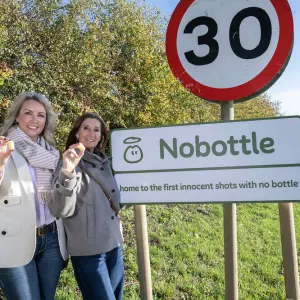 The trial took place in Nobottle, a small Northamptonshire hamlet of around 30 people. Residents were the first to try the bottle-less drinks, with the pilot using Notpla’s Ooho pod technology. The location provided an apt setting for a packaging experiment that challenges one of the most familiar formats in the beverage industry.
But beyond the novelty of the village name, the pilot raises a more substantial question for drinks manufacturers: how far can alternative packaging formats move from demonstration to practical use?
Rethinking the drink container
Bottles remain a familiar way to package and distribute drinks, but brands and packaging developers are exploring other formats as they look to reduce reliance on conventional packaging materials.
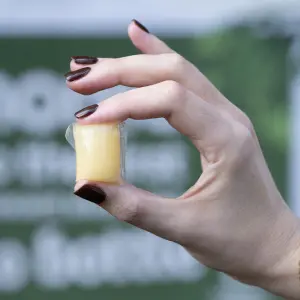 The innocent and Notpla collaboration is testing one such alternative. The seaweed-based pod is designed to contain a drink while allowing the packaging itself to be consumed. According to the companies, the material is biodegradable and made from sustainable seaweed.
For innocent, the trial is not limited to a single product. Andy Wallis, the brand’s spokesperson, says the work is intended to explore how the technology could be used beyond ginger shots, including other drinks and smoothies.
“Where better to pilot a product with no bottle than… Nobottle?” says Wallis. “This is about seeing how this new technology can be used, not just in our ginger shots but our other drinks and smoothies, too.”
That ambition points to an important consideration for manufacturers. A packaging format that works for a small drink or shot may not necessarily translate directly to a larger beverage, a different formulation or a distribution model built around conventional bottles.
The pilot is an opportunity to explore potential applications, rather than evidence that the format is ready to replace bottles across the drinks market.
Testing consumer acceptance
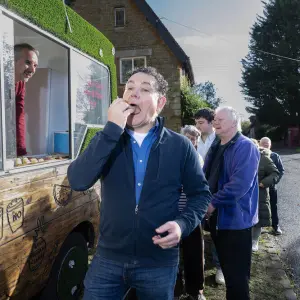 The trial also offers an early indication of how consumers might respond to a different way of consuming a drink.
According to innocent, 78% of people who tried the pods said they would buy them if they were available today. The result suggests interest among those who participated, although the sample size and research methodology have not been provided.
Resident and composer, songwriter and music producer Steve Anderson was among those invited to experience the product. His account provides a consumer perspective on the trial, while innocent’s Wallis offers the brand’s view of what it hopes to learn.
The distinction matters. Consumer willingness to try a novel format is one consideration; repeat purchase, convenience and acceptance in everyday use are others. For manufacturers, the question is not only whether consumers find the pod interesting, but whether it can become a practical part of their purchasing and consumption habits.
From pilot to production
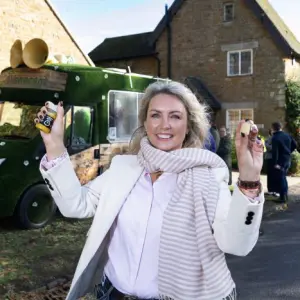 The potential of bottle-less drinks will depend on more than the novelty of the format or the material’s environmental credentials.
For beverage manufacturers, further questions include how the pods are produced and filled, how they are protected during handling and distribution, and what limitations may apply to product formulation and shelf life.
The environmental comparison also needs to consider the complete packaging system. A biodegradable or edible material does not, by itself, establish the overall environmental impact of a product. Material sourcing, production, transport, product protection and what happens when packaging is not consumed all matter.
A different kind of packaging opportunity
The innocent and Notpla pilot is a small-scale test, but it reflects a wider search for ways to rethink how drinks are packaged and consumed.
The collaboration is exploring whether seaweed-based pods can serve applications beyond ginger shots, while the consumer response offers an early signal of interest in the format. The next step is to establish where the technology can deliver practical value, and what it would take to use it at scale.
For manufacturers, the key question is whether a new format can meet the requirements of product protection, production, distribution and consumer use while offering a credible alternative to established packaging.
Nobottle may have provided the perfect setting for the pilot. Whether bottle-less drinks can find a place beyond it will depend on what the technology can prove next.
Topics
biodegradable seaweed-based pod bottle-less drinks product formulation shelf life
PeopleOrganisations