Packaging with purpose: Ball Corporation’s Jag Bains on innovation, decarbonisation, and consumer-driven change
At a time when packaging is under intense scrutiny — from sustainability benchmarks to shifting consumer expectations — Ball Corporation is doubling down on innovation with a clear mission: to deliver circular, low-carbon solutions that meet the moment.
In an exclusive interview at this year’s drinktec (in Munich, Germany), Jag Bains, vice president of commercial, EMEA, shares with Food & Drink Technology how Ball is aligning product development with environmental impact and market demand.
Innovation that serves the system
“We’re not innovating for innovation’s sake,” says Bains. “We’re innovating to serve the system — retailers, brands, consumers, and the planet.”
Ball’s current product priorities reflect that ethos. Lightweighting remains a core focus, with new can formats designed to reduce material use without compromising performance. “We’re pushing the limits of aluminium engineering,” Bains explains. “Every gram saved translates to carbon savings and cost efficiency.”
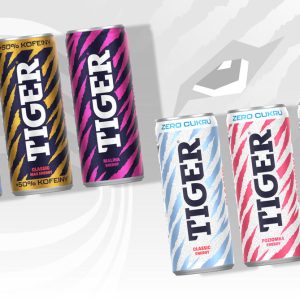
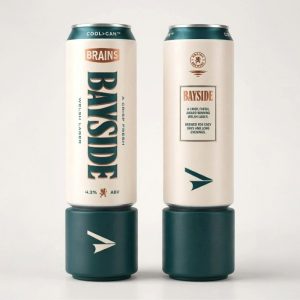
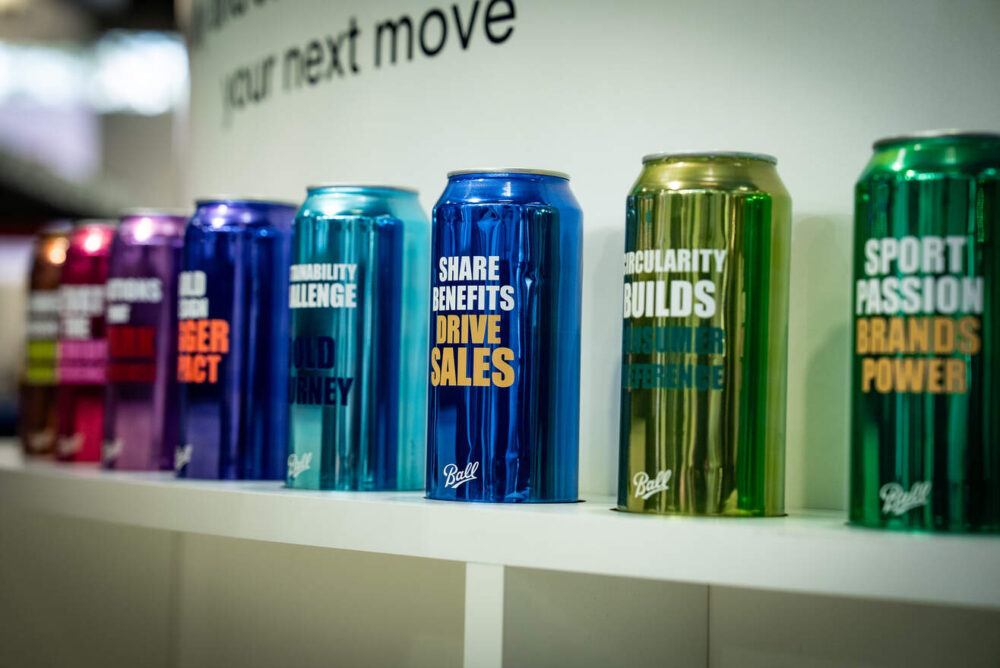 The company is also expanding its portfolio of specialty cans, including resealable formats, textured finishes, and digital printing capabilities. “Brands want differentiation on shelf, and consumers want functionality,” Bains says. “We’re delivering both.”
That commitment to innovation was recently recognised at the World Beverage Innovation Awards 2025, held during drinktec. Ball Corporation was honoured in the Best Packaging/Labelling Innovation category for its Dynamark Advanced Pro variable printing solution.
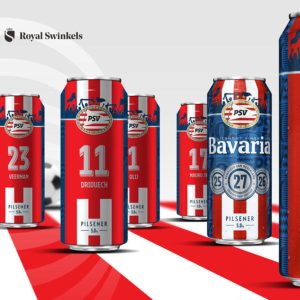
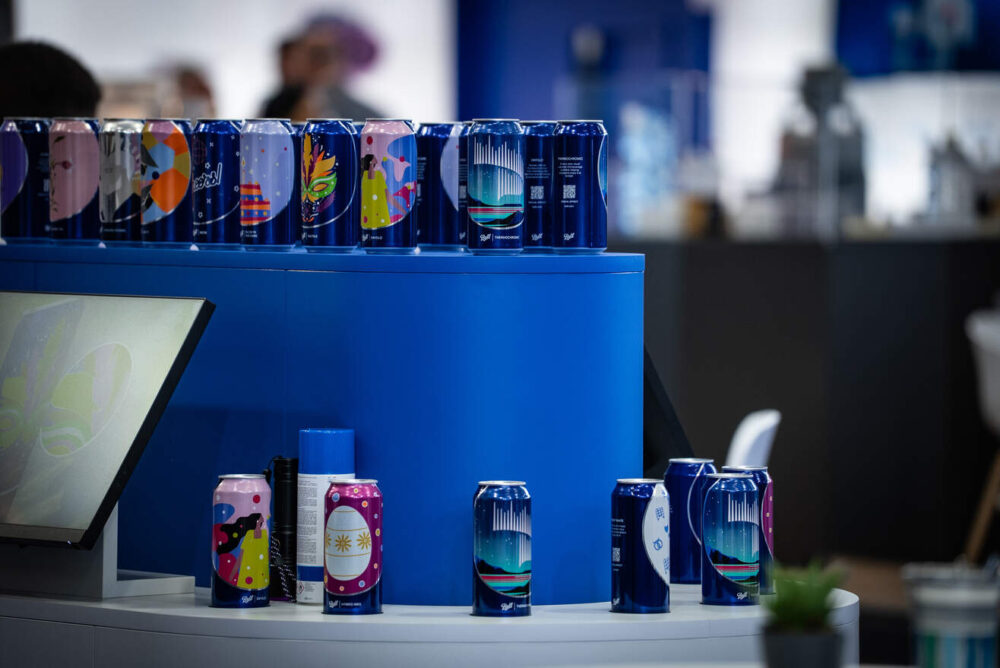
Dynamark Advanced Pro transforms cans into agile storytelling canvases, enabling up to 12 unique designs per pallet in a single run — ideal for regional, event-based, or promotional campaigns. The technology enhances shelf impact, personalisation, and conversion while reducing waste from short-run formats.
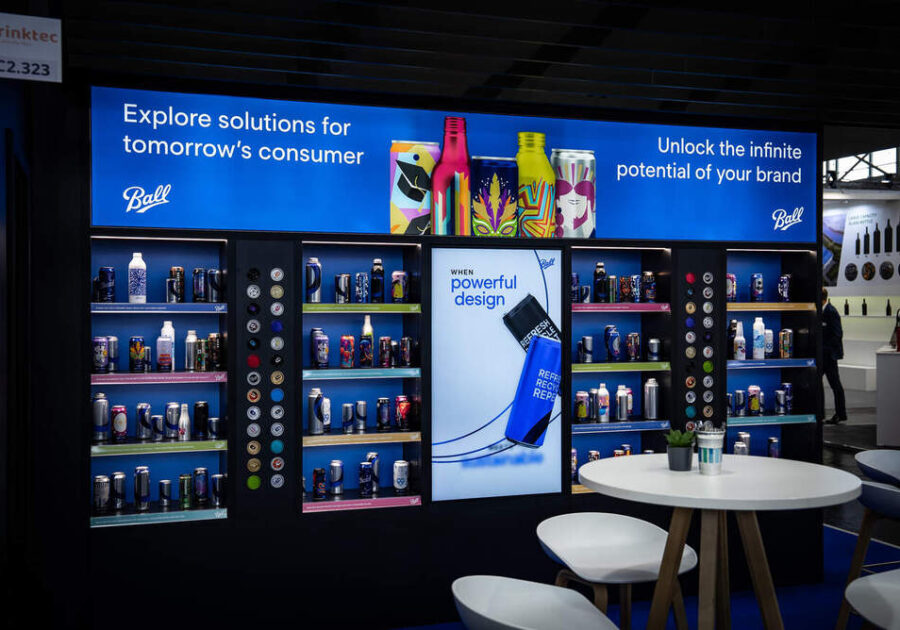
Ball’s presence at drinktec underscored its customer-centric approach. Visitors engaged with a Digital Experience Zone featuring a 360° VR Can Lifecycle Tour of one of Ball’s plants, a Real-World Challenge Simulator addressing nine major brand pain points, and a ‘Moments’ Aisle showcasing limited-edition packs and special effects — from Halloween cans to festival launches. Colour-shifting inks, glow finishes, and tactile varnishes demonstrated how brands can stand out without compromising line efficiency.
Meanwhile, the Retail Environment Zone reimagined the supermarket shelf as a space for insight, not just pricing — highlighting trial, sales, and brand love across Ball’s full portfolio, including aluminium bottles and promotional ends.
Decarbonisation: from ambition to action
 Ball’s sustainability roadmap is anchored in its 2030 science-based targets and its commitment to net zero between 2040 and 2050. According to its 2025 Climate Transition Plan Update, Ball has already reduced absolute greenhouse gas emissions by 21% since 2017 and remains on track to achieve a 55% reduction across Scopes 1, 2, and 3 by 2030.
“We’ve reduced our absolute emissions in EMEA by over 20% since 2017,” Bains notes. “That’s not just a number — it’s the result of operational upgrades, renewable energy sourcing, and smarter logistics.”
A major lever in this progress is Ball’s transition to low-carbon aluminium, sourced from suppliers using hydroelectric power and recycled content. “With Scope 3 emissions representing over 92% of our total footprint, decarbonising the aluminium we procure is central to our strategy,” Bains explains.
The plan also outlines three future scenarios for carbon reduction, with the most ambitious — aligned with a 1.5℃ climate pathway — projecting a 77% reduction in emissions per ton of beverage cans produced by 2030.
“We’re not just talking about sustainability — we’re engineering it into every part of our business,” Bains says. “From procurement to production to partnerships, it’s a full-system approach.”
Circularity and smart systems
Ball’s approach to circularity goes beyond recycling — it’s about system-wide efficiency. “Aluminium is infinitely recyclable, but the system has to work,” Bains emphasises. “We’re collaborating across the value chain to make that happen.”
The company is investing in rolling and remelting capacity, developing high-recycled-content alloys, and exploring smart packaging technologies that link consumers to lifecycle data. “It’s about transparency and trust,” Bains says. “Consumers want to know their choices make a difference.”
She also highlights the importance of infrastructure: “We need to make sure the recycling systems are in place and that they’re accessible. That’s where policy, industry, and consumer behaviour all intersect.”
Consumer trends driving change
According to Bains, today’s consumers are more informed, more vocal, and more values-driven than ever. “They’re asking tough questions: Where does this come from? Can it be recycled? What’s the carbon footprint?”
Ball is responding with QR-enabled packaging, lifecycle tracking, and design formats tailored to emerging categories like NoLo (no and low alcohol) and functional beverages. “These segments are growing fast, and they’re looking for packaging that’s premium, sustainable, and versatile,” Bains explains.
She adds: “We’re seeing a shift from passive consumption to active engagement. Consumers want to participate in sustainability — they want packaging that reflects their values.”
Looking ahead: collaboration and resilience
As Ball looks to the future, Bains says the focus will be on circularity, digitalisation, and deeper collaboration. “We’re not just a packaging supplier — we’re a strategic partner,” she says. “Whether it’s co-developing new formats or solving regional recycling challenges, we’re in it for the long haul.”
She’s also optimistic about what’s next. “The industry is at a turning point. Those who embrace change, invest in sustainability, and listen to consumers will lead. At Ball, we’re ready.”