Rounton Coffee scales from farmers’ markets to the Outer Hebrides
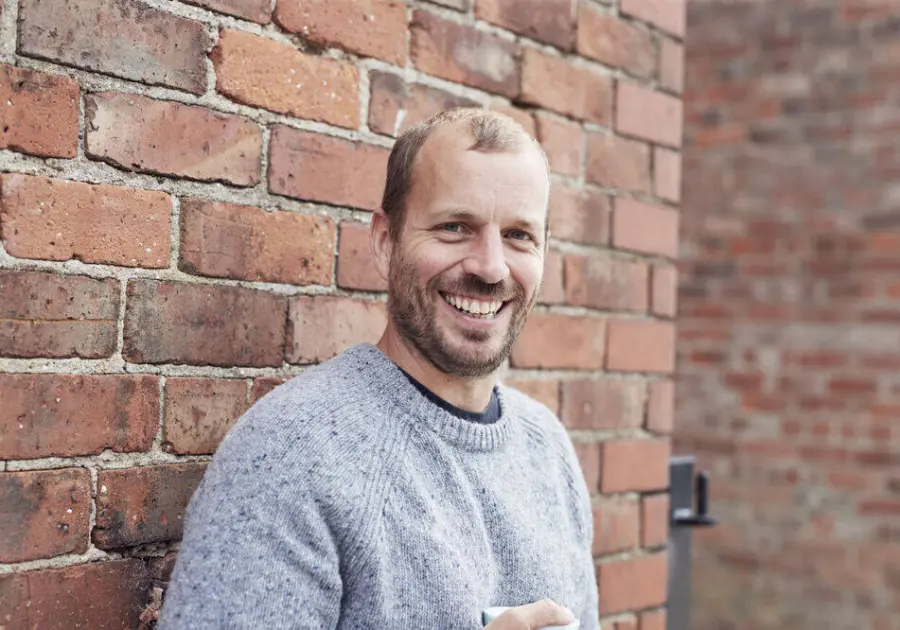
David Beattie, founder.
Independent roaster Rounton Coffee has transitioned from a local passion project into a national specialty supplier, following a six-figure investment that has boosted production to one tonne of beans per day.
Founded in 2013 by former chemical engineer David Beattie, the North Yorkshire-based firm has quietly expanded its footprint from regional farmers’ markets to wholesale partnerships as far-field as the Outer Hebrides.
The growth underscores a broader trend in the UK coffee trade: the “lockdown legacy” of consumers trading up from supermarket staples to ethically sourced, specialty-grade beans.
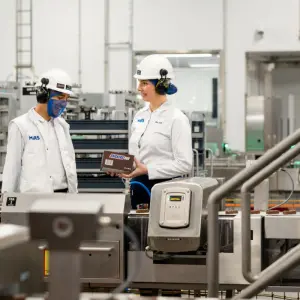
Central to the company’s scaling is the recent installation of a Loring S35 Kestrel commercial roaster. The move represents a dual win for consistency and ESG (Environmental, Social, and Governance) targets:
- Energy efficiency: the new machinery uses 80% less energy than traditional roasting devices.
- Increased output: the facility now packs approximately 2,150 bags per week from its granary HQ near Northallerton.
- Precision: the technology ensures profile consistency, a critical requirement for Rounton’s growing list of wholesale partners.
“Our growth still feels a bit surreal,” says founder David Beattie. “We started life at farmers’ markets simply as a way of sharing our love for ethical coffee. Shipping to the Outer Hebrides would have been unfathomable when we started.”
As transparency becomes a non-negotiable for modern consumers, Rounton Coffee is positioning its growth as a platform for social impact. The “specialty” designation is backed by a commitment to fair pay for international farmers — addressing long-standing industry criticisms of global coffee supply chains.
Beattie attributes much of the recent “coffee boom” to a permanent shift in home consumption habits. “Lockdown was a game-changer,” he noted. “People found themselves at home and spending a bit more on higher quality products, and that really opened their eyes to the quality available outside of supermarkets.”